
Venice

Venice, the enchanting city built on lagoons in northern Italy, is known for its unique charm, romantic canals, and rich history. As one of the most iconic destinations in the world, Venice attracts millions of visitors each year, who are drawn in by its timeless elegance and cultural treasures.

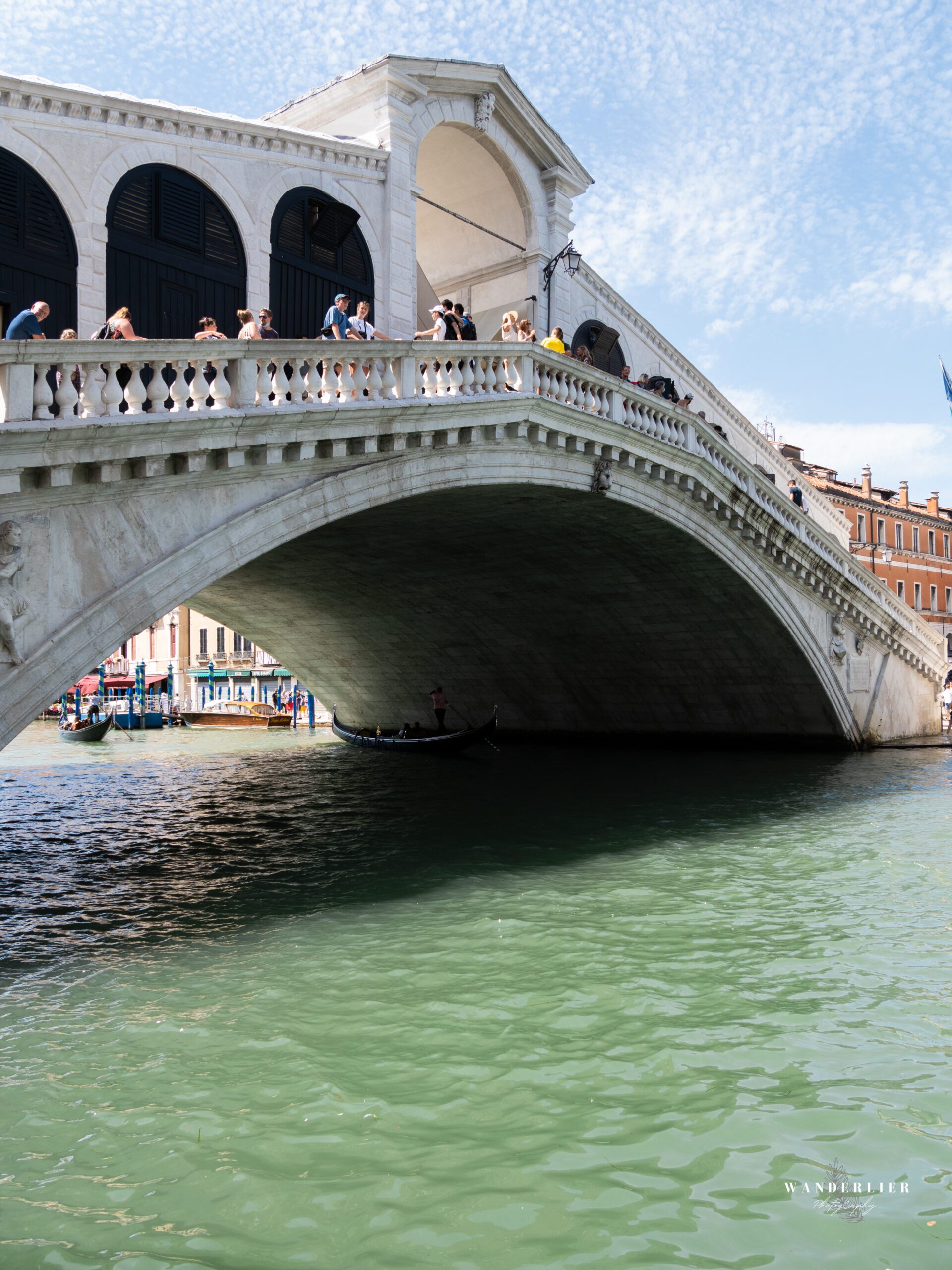
The heart of Venice is formed by a network of graceful canals. A visit to the city is incomplete without a relaxing gondola ride. The Canal Grande, the main waterway, is flanked by beautiful historical buildings, each with a story that reflects Venice’s rich history. The iconic Rialto Bridge, which spans the Canal Grande, not only offers a spectacular view but is also home to shops and market stalls where visitors can discover Venetian crafts and delicacies.

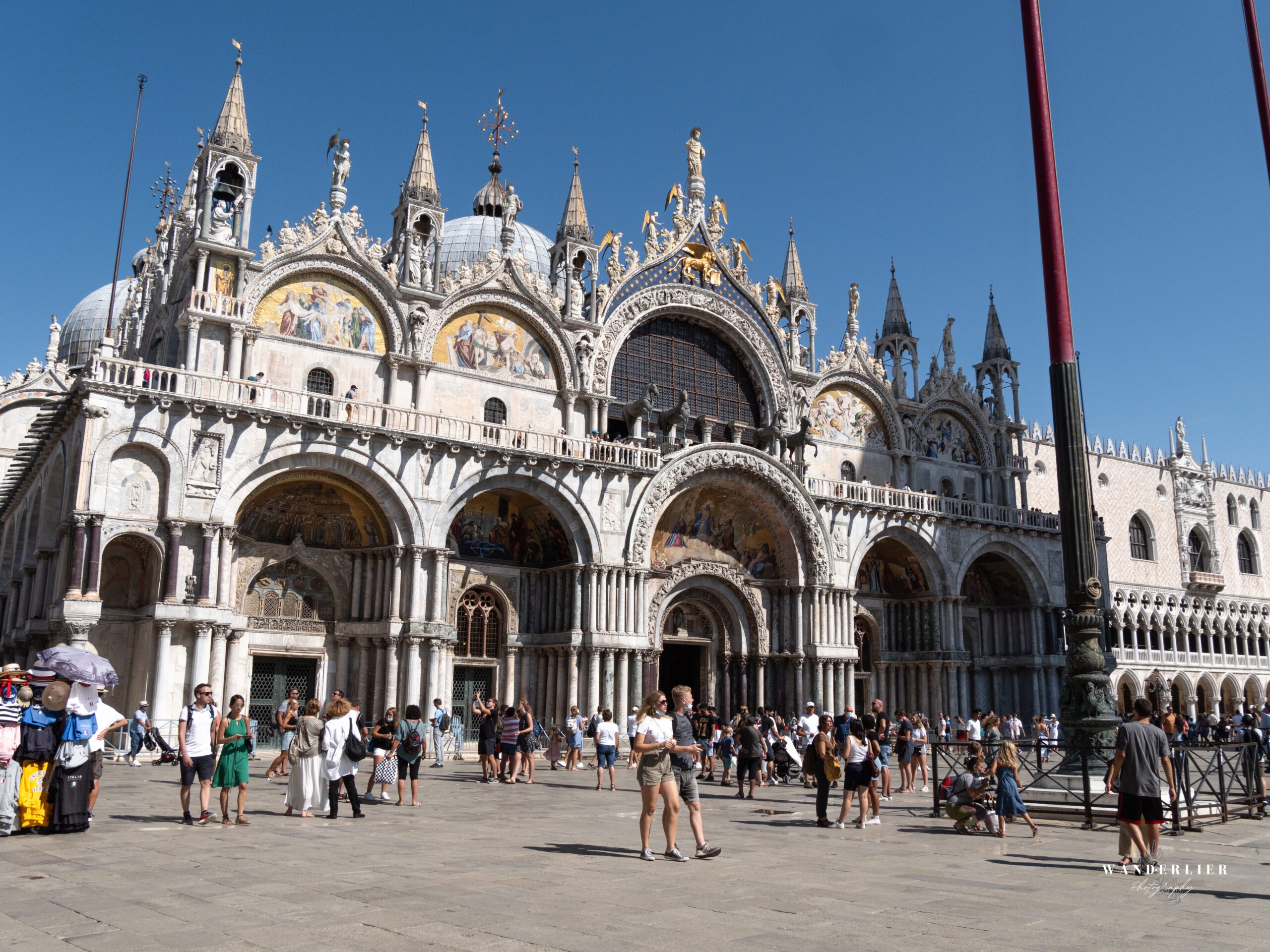
The heart of the city, Piazza San Marco, is an artistic and architectural masterpiece. The imposing Basilica di San Marco, with its Byzantine mosaics, and the Campanile, a bell tower overlooking the square, are iconic symbols of Venice. The adjacent Doge’s Palace, once the political center of the city, reflects the grandeur and splendor of the Venetian Republic.

Cultural enthusiasts will feel at home in Venice’s many museums, including the Guggenheim Museum and the Peggy Guggenheim Collection, which house a wealth of modern art. For lovers of classical music, a visit to Teatro La Fenice is a must.

Culinary delights in Venice are a feast for the senses, with narrow alleys housing authentic trattorias where visitors can enjoy delicious Venetian dishes such as risotto al nero di seppia (risotto with cuttlefish ink) and cicchetti, the local version of tapas.

The Campanile of Venice

The Campanile of Venice, also known as the St. Mark’s Campanile (Campanile di San Marco), is one of the most recognizable landmarks in the city of Venice, Italy. It is an impressive bell tower that forms part of Piazza San Marco and is located next to St. Mark’s Basilica. Here are some key facts about the Campanile of Venice:

The original bell tower was built in the 9th century, but it was rebuilt and renovated several times over the centuries. The current structure dates from the 16th century.

The Campanile is a brick tower with a square base and stands about 98.6 meters tall. It is an example of Renaissance architecture and is topped with a pyramidal spire with a gilded weathervane featuring a figure of the archangel Gabriel.

Originally, the Campanile served as the bell tower for St. Mark’s Basilica, signaling the time and announcing public events in Venice. It also functioned as a lookout point for surveying the city and the surrounding lagoon.

In July 1902, the original Campanile suddenly collapsed. This led to a national and international effort to rebuild the tower, with restoration completed by 1912. The Campanile was reconstructed using modern materials and techniques, but it retained its original appearance and design.

Visitors can climb the Campanile via an elevator, and from the top platform, they can enjoy panoramic views of Venice, the lagoon, and the surrounding islands. It offers one of the best views in the city and is a popular tourist attraction.

The Campanile of Venice is a symbol of the city and the grandeur of the Venetian Republic during its golden age. It is an iconic landmark of Venice and a beloved spot for tourists to visit.

Rialotbrug

The Rialto Bridge, or Ponte di Rialto in Italian, is one of the most iconic landmarks in Venice, Italy. It is a historic bridge that connects the banks of the Canal Grande and is known for its architectural splendor and historical significance. Here are some key facts about the Rialto Bridge:

The Rialto Bridge is the oldest of the four bridges that span the Canal Grande in Venice. The current stone bridge was completed in 1591, but versions of the bridge have existed since the 12th century. Earlier versions were usually made of wood and were frequently replaced due to wear and fire damage.

The Rialto Bridge is celebrated for its unique design and architectural beauty. It features a single arch that spans the Canal Grande and is flanked by two rows of shops. The bridge has an elegant, symmetrical structure and is crowned with a central tower. The architect of the bridge was Antonio da Ponte.

From the top of the Rialto Bridge, visitors can enjoy a stunning view of the Canal Grande and the surrounding buildings. It is a popular spot for tourists to take photos and appreciate the Venetian landscape.

The Rialto Bridge played a crucial role in the history of Venice, as it was one of the most important connections between the various districts of the city. The Canal Grande served as the main waterway, and the Rialto Bridge was a vital hub for trade and transport.

The Basilica of San Marco

The Basilica of San Marco (Basilica di San Marco in Italian) is one of the most famous and beautiful churches in the world. Located in St. Mark’s Square in Venice, Italy, the basilica is known for its striking Byzantine architecture, intricate mosaics, and rich history. Here are some key facts about the Basilica of San Marco:

The construction of the basilica began in 828, shortly after the relics of the apostle Mark were brought to Venice. However, the current structure dates back to the 11th century and was built in the Byzantine style.

The basilica showcases a remarkable blend of Byzantine, Gothic, and Moorish architectural elements. It features five domes, elaborate facades, and a stunning campanile (bell tower). The exterior is adorned with marble and richly decorated.

The interior of the Basilica of San Marco is famous for its breathtaking mosaics. The mosaics cover the walls, domes, and arches, depicting religious stories and Biblical scenes. Made of gold and vibrant colors, they are a marvel to behold.

One of the most precious art treasures in the basilica is the Pala d’Oro, a magnificent altarpiece decorated with thousands of gemstones and pearls. It is a masterpiece of medieval goldsmithing.

The basilica also houses an extensive collection of artworks, sculptures, relics, and historical objects that reflect the rich history of Venice and the influence of trade with the East.

The bell tower of the Basilica of San Marco, the Campanile, is a prominent landmark in Venice. Visitors can climb the tower for a stunning view of the city and the surrounding St. Mark’s Square.

The basilica is the cathedral of the Diocese of Venice and plays an important role in the religious life of the city. It is frequently used for significant liturgical celebrations and processions.