

Seville
The Seville Cathedral
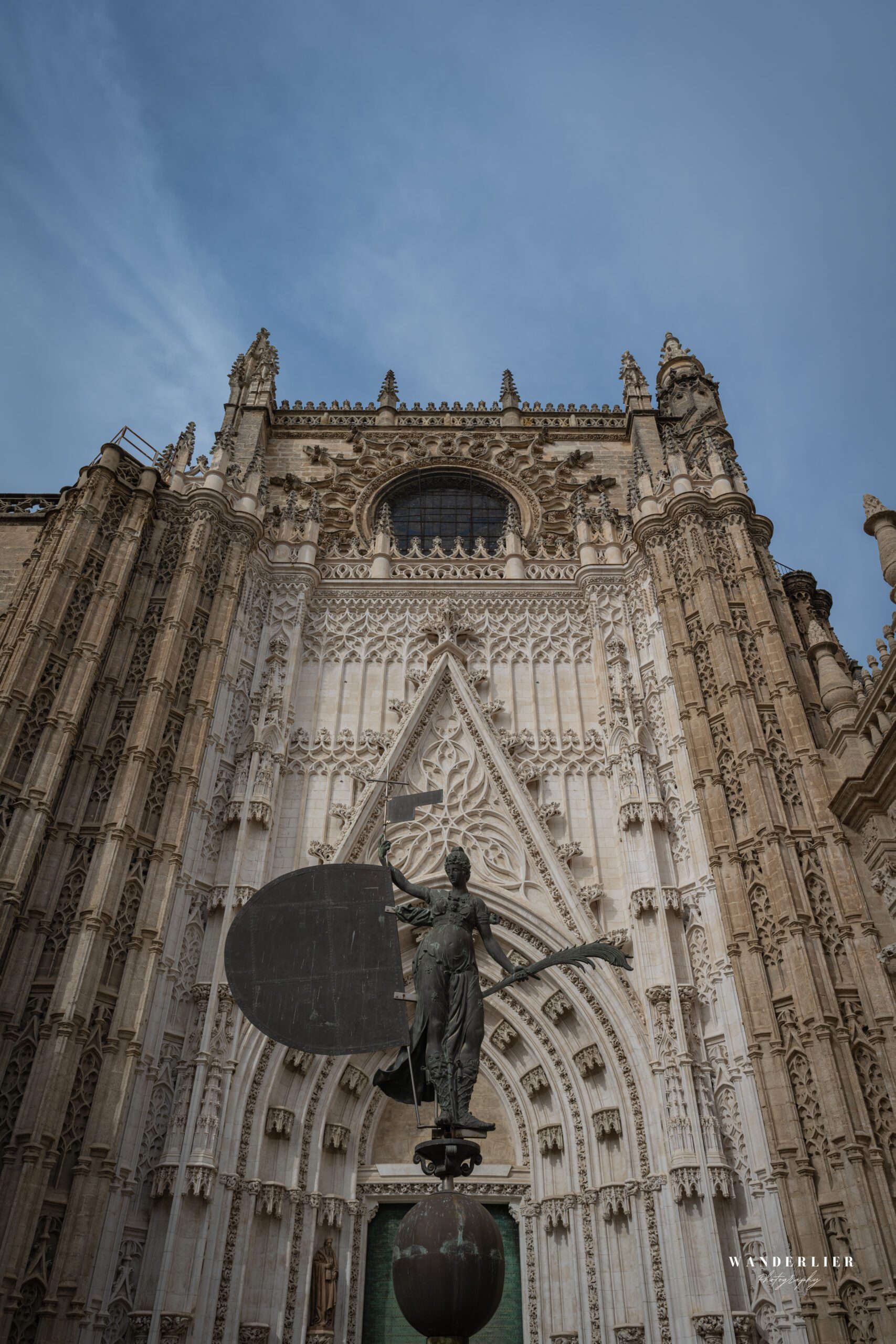
The Seville Cathedral, also known as the Catedral de Santa María de la Sede, is one of the most impressive and iconic monuments in Spain. Located in the heart of Seville, the capital of the Andalusia region, this magnificent cathedral attracts millions of visitors from around the world each year.
With its imposing Gothic architecture, impressive size, and rich history, the Seville Cathedral is a UNESCO World Heritage site that leaves a lasting impression on everyone who visits. Construction of the cathedral began in the 15th century on the site of the Great Mosque of Seville, after the city was reclaimed by Christian forces. The result is an architectural masterpiece that reflects the religious and cultural evolution of the city.
One of the most striking features of the cathedral is the Giralda, the towering bell tower that originally served as a minaret for the mosque. Standing over 100 meters tall, the Giralda offers a panoramic view of the city of Seville and is one of the most recognizable symbols of the city.
Inside the cathedral, visitors are overwhelmed by the grandeur of the Gothic architecture, the elaborate decorations, and the countless artworks that adorn the walls, chapels, and altar. Highlights include the Chapel of the Head of John the Baptist, the tomb of Christopher Columbus, and the spectacular altarpieces that surround the high altar.
In addition to its architectural and artistic value, the Seville Cathedral also holds deep spiritual significance for the people of Seville and is an important pilgrimage site for Catholic believers.


Plaza de España
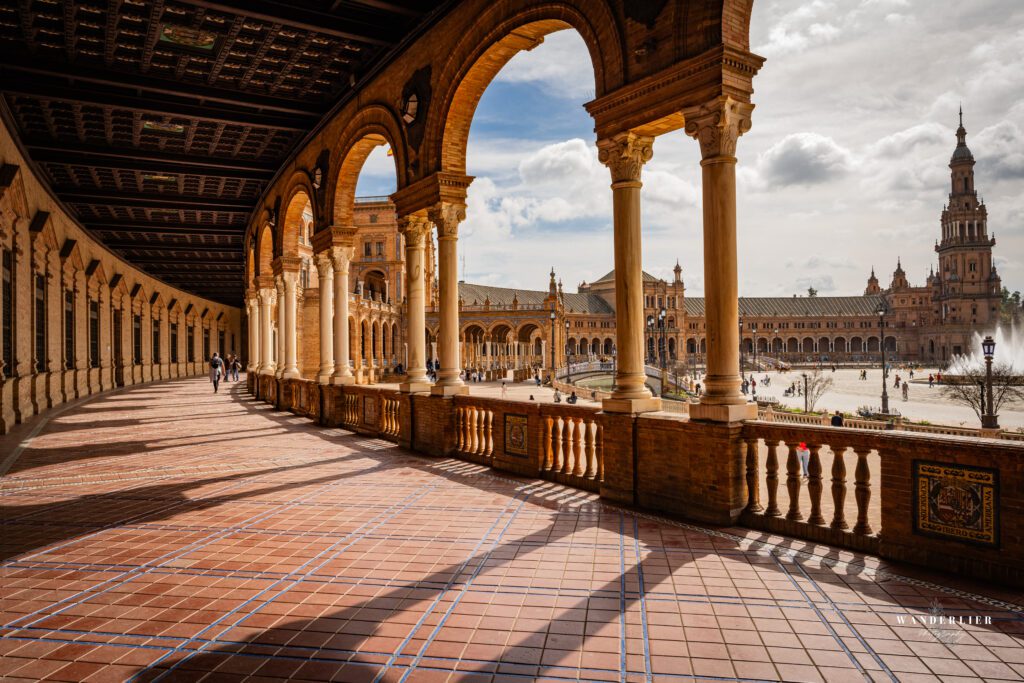
The Plaza de España, located in the heart of Seville, is one of the most iconic and impressive squares in Spain. With its stunning architecture, vibrant atmosphere, and rich history, this square attracts millions of visitors from around the world each year.
The Plaza de España was built for the Ibero-American Exposition of 1929, an event celebrating the relationship between Spain and its former colonies. The square was designed by the Spanish architect Aníbal González and is known for its striking blend of Moorish and Renaissance influences. It is an architectural masterpiece and is considered one of the most beautiful squares in the world.
One of the most notable features of the Plaza de España is the semi-circular building that embraces the square, with its impressive towers, arches, and façades decorated with colorful ceramics and mosaics. The building houses several government institutions and offers breathtaking views of the central square and the adjacent canal.
In addition to admiring the architecture, visitors can enjoy the beautiful gardens, fountains, and bridges that surround the square. It is an ideal place to stroll, relax, and bask in the sun while taking in the lively surroundings.
The Plaza de España also featured in several films, including the famous Star Wars movie “Attack of the Clones”, where it served as the backdrop for the planet Naboo. This has contributed to the square’s international fame and made it an even more popular tourist destination.



Plaza América
Plaza América is one of the beautiful squares in Seville, known for its beauty, history, and cultural significance. Located in the famous Maria Luisa Park, this square is a popular destination for both locals and tourists visiting the city.
Plaza América was created for the Ibero-American Exposition of 1929 and is named after the continents that were represented during this historic event.
One of the most notable features of Plaza América is the stunning Museum of Fine Arts, housed in the former pavilion of Argentina. This museum holds an extensive collection of paintings, sculptures, and other artistic works by Spanish and European artists, including works from the Renaissance and Baroque periods.
In addition to the museum, visitors can enjoy the beautiful fountains, gardens, and sculptures that adorn the square. It is an ideal place to stroll, relax, and enjoy the peaceful atmosphere of the park.
Plaza América is also a popular venue for cultural events and festivals that take place throughout the year. From concerts and theater performances to art exhibitions and craft markets, there is always something happening in this lively square.

Casa de la Ciencia
Casa de la Ciencia, located in Seville, is a fascinating place dedicated to science, technology, and innovation. It is a popular educational center and museum focused on promoting scientific understanding and research.
This impressive building, originally constructed as a pavilion for the Ibero-American Exposition of 1929, now hosts a wide range of exhibits, workshops, and educational programs for both adults and children. It serves as a meeting point for scientists, researchers, and science enthusiasts, where they can learn, explore, and discover.
One of the most notable features of the Casa de la Ciencia is the interactive nature of its exhibits. Visitors are encouraged to participate in hands-on experiments, demonstrations, and activities that help them better understand complex concepts in science and technology. From physics and chemistry to biology and astronomy, there’s something for everyone at this captivating museum.
In addition to its permanent exhibits, Casa de la Ciencia regularly hosts temporary exhibitions and events that highlight various aspects of science. From lectures and debates to film screenings and workshops, there’s always something interesting happening in this vibrant center of science and innovation.

Casino de la Exposición
The Casino de la Exposición, located in Seville, is a historic building with a rich history and remarkable architecture. It was originally constructed as a pavilion for the Ibero-American Exposition of 1929, an event celebrating the cultural and artistic ties between Spain and its former colonies.
The building was designed by the renowned architect Aníbal González, who was also responsible for other notable buildings in Seville, such as Plaza de España. The Casino de la Exposición is a masterpiece of the neo-Mudejar style, characterized by its distinctive arches, tilework, and Moorish influences.
Today, the Casino de la Exposición serves as a cultural center and exhibition space, regularly hosting art exhibitions, concerts, lectures, and other cultural events. It is a vibrant meeting point for artists, intellectuals, and culture enthusiasts, who gather to enjoy the many activities and performances held here.
One of the most striking features of the Casino de la Exposición is its beautiful courtyard, decorated with colorful tiles, fountains, and lush vegetation. It provides an oasis of tranquility and beauty in the heart of the city, offering a perfect spot to relax and enjoy the peaceful atmosphere.
In addition to the courtyard, the building also houses several halls and galleries used for exhibitions and cultural events. Visitors can enjoy a wide variety of artworks here, ranging from paintings and sculptures to photography and installation art.

Palace of San Telmo
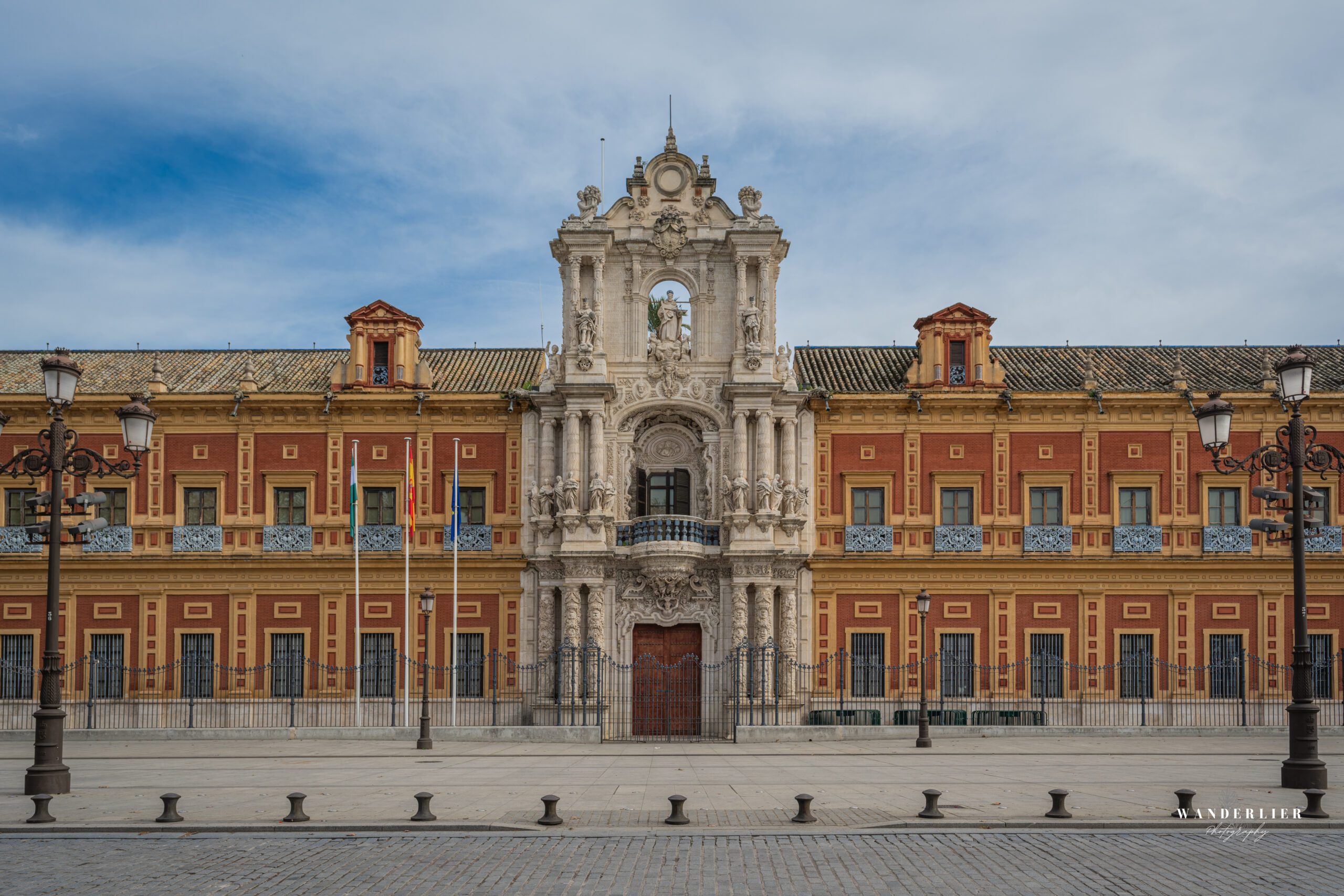
The Palace of San Telmo, located in Seville, is a beautiful example of Baroque architecture and one of the most impressive historical buildings in the city. With its majestic facade, lush interiors, and rich history, this palace is an important cultural and architectural monument.
The Palace of San Telmo was originally built in the late 17th century as the Royal Naval College, a training institution for naval officers. It was later converted into a royal palace and served as a residence for various noble families before ultimately being transformed into a government building.
One of the most striking features of the Palace of San Telmo is its beautiful facade, decorated with impressive sculptures, reliefs, and decorative elements typical of the Baroque style. The interior of the palace is equally impressive, with lavish halls, stunning frescoes, marble floors, and elegant furniture that reflect the grandeur of bygone times.
Today, the Palace of San Telmo serves as the headquarters of the government of Andalusia and houses several government institutions and administrative offices. However, the palace is also open to the public for tours and cultural events, giving visitors the chance to admire the beautiful architecture and history of this historic monument.
In addition to its architectural and historical significance, the Palace of San Telmo has also played an important cultural and artistic role in Seville. It has inspired countless artists, writers, and intellectuals, and has had a lasting influence on the city’s artistic and cultural scene.
Royal Tobacco Factory
The Royal Tobacco Factory, located in Seville, is a historic and architectural monument that plays an important role in the city’s history. It is one of the most impressive buildings in Seville, both because of its size and its historical significance.
Built in the 18th century, the Royal Tobacco Factory originally served as a production facility for tobacco products, particularly for the manufacturing of cigars and cigarettes. The building was designed by architect Sebastián Van der Borcht on the orders of King Ferdinand VI of Spain and is known for its impressive Baroque architecture and monumental scale.
The building of the Royal Tobacco Factory is a masterpiece of Spanish Baroque style, with its imposing facade, elegant columns, lavish decorations, and beautiful courtyards. The interior of the building is equally impressive, with its large halls, marble staircases, and stunning ceiling paintings that reflect the grandeur of past times.
In addition to its architectural and historical significance, the Royal Tobacco Factory also played an important cultural role in Seville’s history. It was a major employer in the city and had a significant influence on Seville’s economy and social life.
Today, the Royal Tobacco Factory serves as the home of the University of Seville and houses several academic departments and administrative offices. It is also open to the public for tours and cultural events, offering visitors the opportunity to admire the beautiful architecture and history of this historic monument.

Puerte Jerez
Puerta Jerez is one of the most iconic squares in Seville, Spain, known for its historical significance and beautiful architecture. Located in the heart of the city, the square serves as an important meeting point and a gateway to some of Seville’s most prominent landmarks.
The name “Puerta Jerez” literally means “Jerez Gate” and refers to the historic city gate that once stood at this location, connecting Seville to the city of Jerez de la Frontera. Although the original gate no longer exists, Puerta Jerez remains a crucial hub for traffic and activity in Seville.
One of the most striking features of Puerta Jerez is the impressive fountain at the center of the square. Known as the “Fuente de Sevilla,” this fountain is an example of Spanish Baroque architecture.
In addition to the fountain, Puerta Jerez is home to some of the most prestigious hotels, restaurants, and shops in Seville, making it a popular destination for both tourists and locals. The square is also an important transportation hub, with numerous bus and tram stops nearby.
From Puerta Jerez, many of Seville’s major attractions are within easy walking distance. The Seville Cathedral, the Royal Alcázar of Seville, and the Santa Cruz neighborhood are all nearby, making Puerta Jerez an ideal base for exploring the city.
Puerta Jerez also plays a significant role in Seville’s cultural events, hosting regular performances, festivals, and markets. The square is a vibrant and lively place where visitors can experience the local culture and traditions of Seville.

Torre del Oro
The Torre del Oro, located on the banks of the Guadalquivir River in Seville, Spain, is one of the most iconic and historically significant monuments in the city. This tower, with its distinctive golden hue, has played a prominent role in Seville’s history and culture for centuries.
The origins of the Torre del Oro date back to the 13th century. It was built during the Moorish rule of Spain as part of the city’s defensive fortifications. Initially, it served as a watchtower and a stronghold to protect the port of Seville from invasions along the river.
The name “Torre del Oro,” meaning “Tower of Gold,” is derived from the golden glow that once radiated from the tower when it was covered with golden ceramic tiles. Although these tiles have disappeared over time, the tower retains its iconic name due to its historical significance and architectural beauty.
Today, the Torre del Oro functions as a museum dedicated to Seville’s maritime history, housing an extensive collection of nautical artifacts, ship models, and historical documents. Visitors can climb the tower and enjoy a panoramic view of the city and the river, while learning about the role Seville played in Spain’s maritime history.
In addition to its historical and cultural significance, the Torre del Oro is also a popular tourist attraction due to its picturesque location by the river and its stunning views of Seville’s skyline. It is a favorite spot for photographers and visitors seeking a panoramic view of the city.

Plaza de Toros Sevilla
The Plaza de Toros, also known as Seville’s bullfighting arena, is one of the most emblematic and historic monuments in the city. Located in the heart of Seville, in the El Arenal district, this arena is an important cultural and historical symbol of Spain’s bullfighting tradition.
Built in the 18th century, the Plaza de Toros of Seville has a rich history and has hosted countless bullfights and other events. The arena is designed in a traditional Spanish style, with a round shape and an open-air layout, offering spectators a panoramic view of the ring.
The Plaza de Toros has a capacity of over 12,000 seats and is one of the largest bullfighting arenas in the world. It is also one of the oldest, with a history dating back to the glory days of bullfighting in Spain.
For tourists visiting Seville, the Plaza de Toros is a popular attraction due to its historical significance and architectural beauty. Visitors can explore the arena on guided tours and learn about the history and traditions of bullfighting in Spain.
Although bullfighting is controversial today and increasingly criticized by animal rights activists, the Plaza de Toros remains an important symbol of Spanish culture and identity. It is a place where tradition and history converge, offering visitors a glimpse into an ancient tradition.

Metropol Parasol Sevilla
The Metropol Parasol, also known as “Las Setas de Sevilla” (the mushrooms of Seville), is one of the most striking and innovative architectural feats in the city of Seville, Spain. It is a modern landmark that combines contemporary architecture, technology, and culture, and has become a major attraction for both tourists and locals.
Designed by German architect Jürgen Mayer, the Metropol Parasol is located in Plaza de la Encarnación, in the historic center of Seville. It is an impressive structure consisting of six giant umbrella-shaped wooden constructions that rise above the old city, offering spectacular views of Seville.
The design of the Metropol Parasol is inspired by the shape of the vaulted ceilings of Seville’s cathedral and the trees of the nearby Plaza de Cristo de Burgos. The result is a unique and futuristic structure that forms a harmonious blend of traditional and modern architecture.
The Metropol Parasol houses several facilities and attractions, including a panoramic viewpoint on the upper level, where visitors can enjoy breathtaking views of the city and surrounding areas. Additionally, there are exhibition spaces, shops, restaurants, and an archaeological museum located at the base of the structure.
As one of the most prominent modern landmarks of Seville, the Metropol Parasol attracts thousands of visitors from around the world each year. It is a popular destination for photographers, architecture enthusiasts, and travelers seeking a unique experience in Seville.
In addition to its architectural and aesthetic value, the Metropol Parasol has had a significant economic and social impact on the city of Seville. It has contributed to the revitalization of the historic center and has created new opportunities for tourism, commerce, and recreation in the area.

Real Alcázar of Sevilla
The Real Alcázar of Seville, also known as the Royal Palace of Seville, is one of the most impressive and historically significant monuments in the city of Seville, Spain. This beautiful complex of palaces, gardens, and courtyards is a perfect example of the Moorish, Gothic, Renaissance, and Baroque architecture that has developed in Seville over the centuries.
The Real Alcázar dates back to the 10th century when it was built as a fortified stronghold for the Moorish rulers of Seville. Over the centuries, the palace has been expanded and remodeled by various royal families, resulting in a unique blend of architectural styles and historical influences.
One of the most striking features of the Real Alcázar is the stunning Mudéjar architecture, characterized by intricate geometric patterns, colorful tiles, and finely crafted woodwork. The palaces, halls, and courtyards of the Alcázar are richly decorated with Moorish tiles, marble columns, lush gardens, and fountains, creating a breathtaking and fairy-tale atmosphere.
One of the highlights of a visit to the Real Alcázar is the Patio de las Doncellas, a beautiful courtyard surrounded by elegant galleries and adorned with colorful tiles and fountains. Other notable sights include the Sala de los Embajadores, a splendid hall with a domed ceiling and spectacular views of the gardens, and the Sala de los Reyes, where the walls are decorated with beautiful murals.
In addition to its architectural beauty, the Real Alcázar also has a rich history and has served as a residence for various royal families and monarchs throughout the centuries. The palace has also been used as a filming location for several movies and television productions, including the popular TV series Game of Thrones.
Monumento a San Fernando
The Monument to San Fernando, also known as the Statue of Ferdinand III of Castile, is a prominent statue located in the heart of Seville, Spain. This monument honors Ferdinand III of Castile, a significant historical figure known for his role in the reconquest of Spain from Moorish rule during the Middle Ages.
The statue, dating back to the 19th century, is a masterpiece of neoclassical sculpture and stands on an imposing pedestal adorned with reliefs depicting scenes from the life of Ferdinand III. The statue itself shows Ferdinand on horseback, holding his sword aloft as a symbol of his triumph over the Moors.
The Monument to San Fernando is an important symbol of Seville’s history and heritage, attracting many visitors from around the world each year. It is located in a prominent spot in the city, at Plaza Nueva, near other historical and cultural landmarks such as Seville’s City Hall and the Cathedral.
In addition to its historical significance, the Monument to San Fernando also holds symbolic value for the people of Seville, who view it as a tribute to their city’s long and proud history.
The Monument to San Fernando is not only a major tourist attraction but also a popular gathering place and a symbol of pride and identity for the residents of Seville. It serves as a reminder of the courage and determination of those who contributed to the history and development of the city.
Today, the Real Alcázar remains a major tourist attraction and a UNESCO World Heritage site, drawing thousands of visitors from around the world each year. It is one of Seville’s most visited landmarks and a must-see for anyone interested in history, architecture, and culture.
