
Rogaland
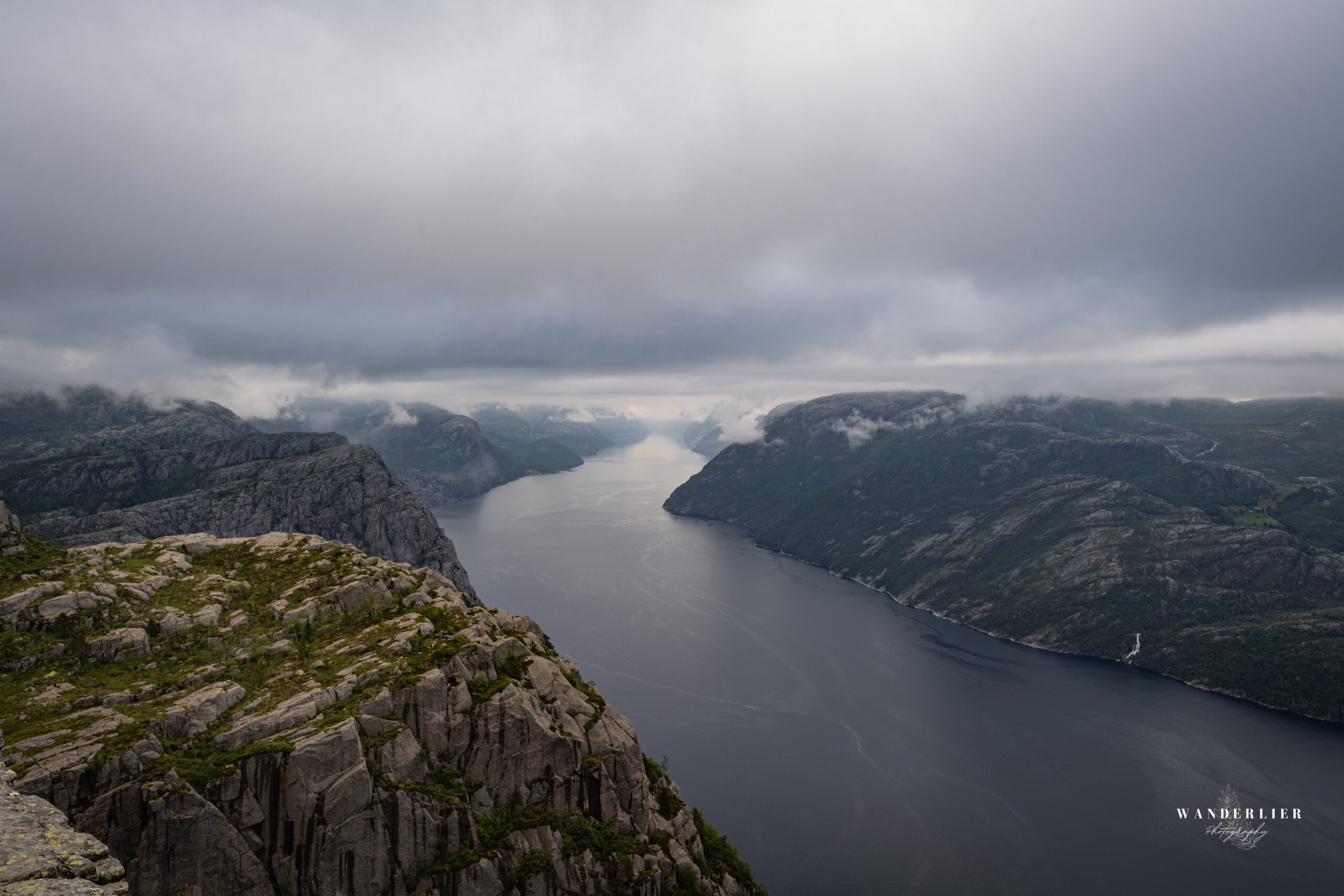
Rogaland is a coastal county in southwestern Norway, known for its diverse landscapes and rich cultural heritage. The region is characterized by rugged fjords, steep cliffs, and beautiful coastal towns. One of the most famous natural landmarks in Rogaland is the Pulpit Rock (Preikestolen), a massive cliff that rises 604 meters above the Lysefjord. This iconic destination attracts hikers from around the world.
The county also features a variety of charming towns and cities, including Stavanger, the fourth-largest city in Norway. Stavanger is known for its well-preserved wooden houses, cobblestone streets, and vibrant cultural scene. It also serves as a gateway to the beautiful fjords and mountains of the region.
Rogaland has a rich history, with traces of Viking heritage still visible today. The region was home to several Viking settlements, and visitors can explore historic sites such as the Viking House in the town of Jæren. The region also played an important role in Norway’s industrial development, particularly in the oil industry, as it is the hub of the country’s oil production.
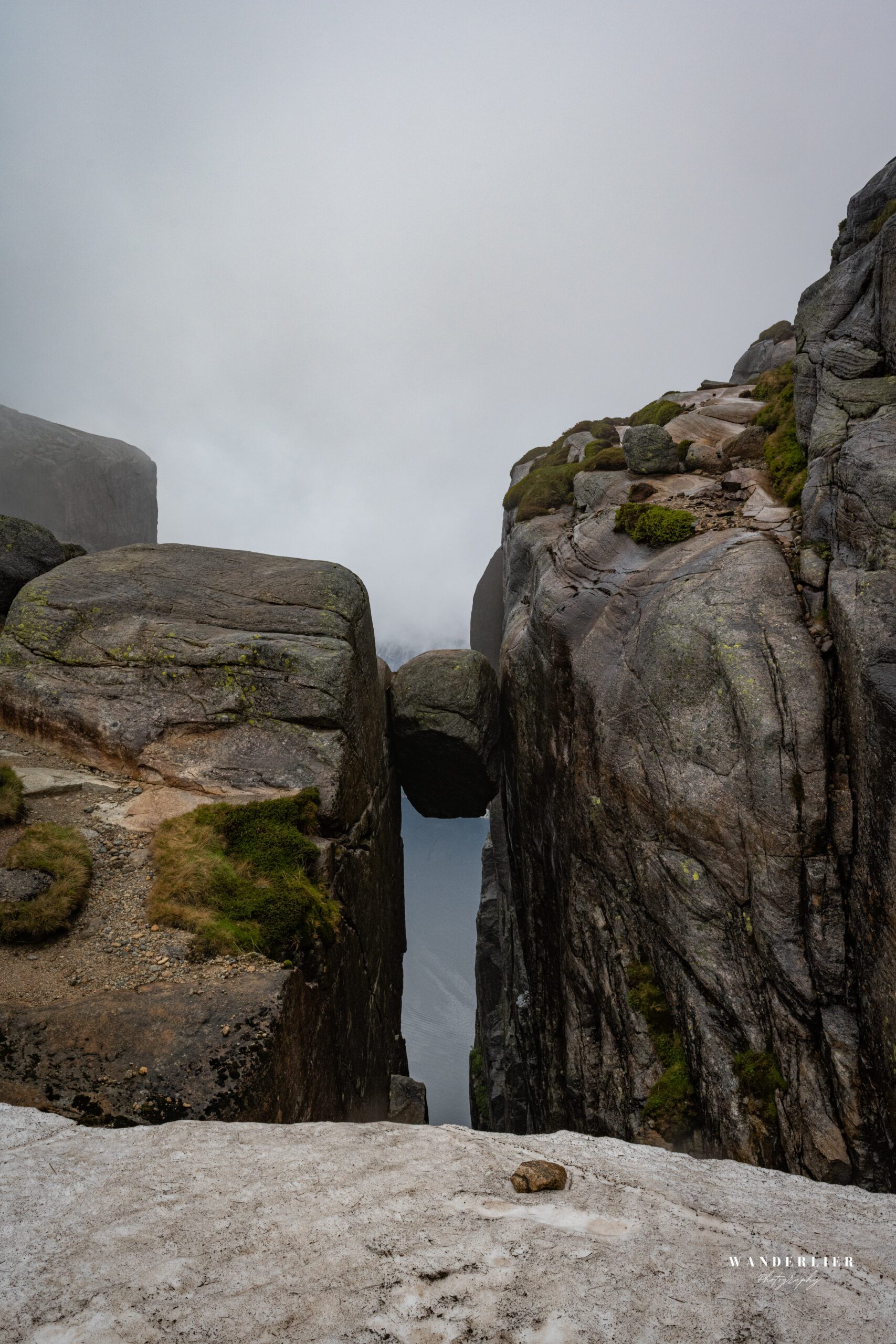
Nature lovers will find plenty to explore in Rogaland. In addition to Pulpit Rock, the region boasts several national parks, including the famous Kjeragbolten, a large boulder wedged between two cliffs. The parks offer a variety of hiking trails, wildlife, and stunning views. Rogaland is also home to pristine beaches, such as those along the coast of Jæren, perfect for outdoor activities like surfing and beachcombing.
In addition to its natural beauty, Rogaland is known for its culinary traditions. Local specialties include seafood dishes, such as fresh salmon and cod, as well as traditional Norwegian fare like “klippfisk” (dried and salted cod). The region also has a thriving local craft scene, with numerous artisans producing textiles, pottery, and other handmade goods.
Preikestolen
Preikestolen, also known as Pulpit Rock, is an iconic rock formation in Norway, located in the Rogaland region. This spectacular cliff rises high above the Lysefjord, offering breathtaking views of the fjord and the surrounding mountains. It is known as one of the most popular and most photographed natural attractions in Norway, drawing thousands of visitors from around the world every year.
Preikestolen stands approximately 604 meters above the Lysefjord, creating an impressive and striking sight from the top. The cliff itself has a flat surface of about 25 by 25 meters, providing visitors with ample space to walk around and enjoy the panoramic view. It is a favorite destination for hikers and adventurers who are eager to take on the challenge of a steep hike to be rewarded with an unforgettable view.
The hike to Preikestolen begins at the visitor center at Preikestolhytta, which can be reached from Stavanger via a scenic drive and ferry ride. From there, a well-marked trail of about 3.8 kilometers (one way) winds through rocky terrain and mountainous landscape. The average hiking time for the round trip is approximately 4 hours, depending on the hiker’s fitness level and weather conditions.
The best time to visit Preikestolen is during the summer months when the weather is usually more favorable and the days are longer. During this period, the view is clearer, allowing visitors to fully appreciate the majestic surroundings. However, it is important to always be prepared for changing weather conditions, as the weather can change quickly in this region.
In addition to its natural beauty, Preikestolen also holds significant cultural and historical meaning. It is an important symbol of Norway’s natural landscapes, attracting not only hikers but also artists, photographers, and nature enthusiasts who are captivated by the rugged beauty of the Norwegian fjords.
Kjeragbolten
Kjeragbolten is an impressive tourist attraction and natural phenomenon located in the Rogaland region of Norway. It is known for its iconic rock, Kjeragbolten, which balances on a narrow ledge above a deep gorge, 984 meters above the Lysefjord. This unique natural feature attracts adventurers and nature enthusiasts from around the world due to its breathtaking views and the challenge it presents in reaching it.
Kjeragbolten can be accessed via a challenging hike of about 5 to 6 hours (round trip) from the starting point at Øygardstøl, approximately 2 hours’ drive from Stavanger. The hike includes steep slopes, rocky terrain, and some technical sections, which add to the excitement and reward of reaching the top. The view from Kjeragbolten itself is awe-inspiring, with panoramic vistas over the fjord and surrounding mountains.
For those brave enough to stand on Kjeragbolten, it offers a unique photo opportunity and a sense of achievement due to the physical effort required to reach it. The rock itself is about 5 cubic meters in size and seemingly balances miraculously between two steep rock walls.
In addition to the challenge and natural wonder of Kjeragbolten, the surrounding area also features other attractions such as the majestic Kjerag Mountain and the Kjeragfossen waterfall, which cascades spectacularly into the depths of the gorge. The area is popular with adventurers who also enjoy activities such as base jumping from the cliffs of Kjerag, adding to the adrenaline-fueled reputation of the region.
The best time to visit Kjeragbolten is during the summer months when the hiking trails are usually accessible and the weather is more favorable. However, it is always important to be prepared for changing weather conditions and to bring enough water, food, and clothing, as the weather can change rapidly in this part of Norway.
Kjeragbolten is not only a physical challenge and a natural wonder but also a symbol of the breathtaking landscapes and adventurous spirit of Norway. It is a destination that challenges adventurers to push their limits and rewards them with an unforgettable experience amidst the rugged beauty of Norwegian nature.