
San Francisco

San Francisco, located on the iconic west coast of the United States, is a city brimming with charm, diversity, and innovation. With its signature hilly streets, historic architecture, and progressive atmosphere, this metropolis attracts millions of visitors from around the world each year.

One of the city’s most famous landmarks is the Golden Gate Bridge. A majestic feat of engineering that spans the bay and connects the city to Marin County. A walk or bike ride across this iconic bridge offers not only breathtaking views of San Francisco’s skyline but also of the fog-covered hills and the shimmering Pacific Ocean.

The heart of the city is made up of neighborhoods, each with its own unique character. Fisherman’s Wharf, known for its seafood restaurants and lively stalls, is a bustling waterfront area where visitors can admire the famous sea lions at Pier 39. Chinatown, one of the oldest and largest in the United States, offers a fascinating mix of culture, culinary delights, and colorful markets.

San Francisco is also known for its cultural diversity and progressive mindset. It is home to Silicon Valley, the epicenter of technological innovation, and hosts countless startups and tech companies. The city’s vibrant art and culture scene includes world-renowned museums such as the San Francisco Museum of Modern Art (SFMOMA) and the de Young Museum.

In San Francisco, history, culture, nature, and technological progress converge to create a unique and unforgettable destination. Whether you’re walking through the city’s winding streets, savoring culinary delights, or immersing yourself in the innovative spirit of Silicon Valley, San Francisco promises an experience that is both inspiring and unforgettable. Explore this dynamic city by the Pacific Ocean and be captivated by its endless possibilities.
Golden Gate Bridge

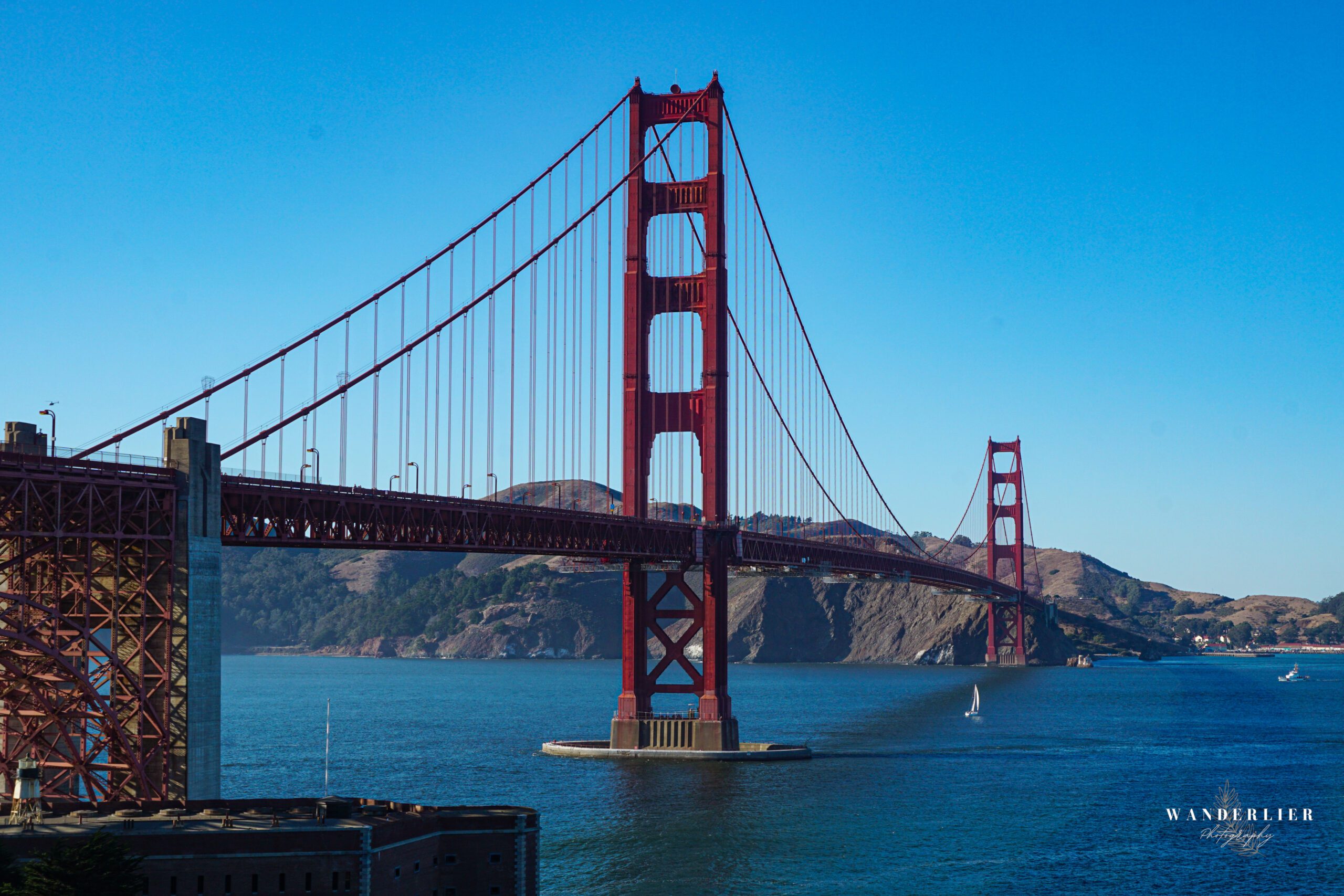
The Golden Gate Bridge, one of the most iconic landmarks in the United States and the world, spans the Golden Gate Strait, the entrance to the San Francisco Bay from the Pacific Ocean. This remarkable suspension bridge, with its striking Art Deco design, was completed in 1937 and remains an engineering marvel, even decades after its construction.

At the time of its completion, the Golden Gate Bridge was the longest suspension bridge in the world, measuring 1.7 miles (2.7 kilometers) in length. Its towers rise 746 feet (227 meters) above the water, making it a dominant feature of the San Francisco skyline. The bridge’s most distinctive characteristic is its vibrant “International Orange” color, which was selected to enhance visibility in the region’s frequent fog while also complementing the natural surroundings of the area.

The Golden Gate Bridge connects the city of San Francisco with Marin County to the north, providing a crucial transportation link between these two regions. Its construction, led by engineer Joseph Strauss, was a groundbreaking achievement, completed despite considerable skepticism about its feasibility due to the strong tides, deep waters, and frequent seismic activity in the area. The bridge was designed to withstand high winds and earthquakes, and its graceful curves and elegant design have made it a symbol of both strength and beauty.

The Golden Gate Bridge is not just an essential part of San Francisco’s infrastructure but also a major tourist attraction. Visitors can walk or bike across the bridge, enjoy stunning views of the city and bay, or simply take in its grandeur from viewpoints like Battery Spencer or Crissy Field. Its stunning architecture, combined with the natural beauty of the surrounding landscape, makes it one of the most photographed bridges in the world and a must-see destination for travelers visiting San Francisco.

San Francisco Ferry Building

The San Francisco Ferry Building, located at the edge of the city’s waterfront along the Embarcadero, is a historic landmark and a key symbol of San Francisco’s rich maritime history. Originally constructed in 1898, the Ferry Building has undergone several renovations, transforming it from a bustling transportation hub into a vibrant marketplace and cultural attraction.

As its name suggests, the Ferry Building was once the central terminal for ferryboats arriving from the East Bay, and for much of the 20th century, it served as a vital point of connection for commuters and travelers. The building’s striking Beaux-Arts architectural style, highlighted by its 245-foot clock tower, has made it one of the city’s most recognizable structures. The clock tower, which closely resembles that of the 19th-century design of the old Customs House in New York, once served as a navigational aid for ships approaching the city.

Today, the Ferry Building has evolved into a hub for food lovers, local artisans, and entrepreneurs. The ground floor is home to a bustling marketplace featuring a wide range of gourmet food stalls, artisan shops, and restaurants offering locally sourced produce, cheese, meats, fresh seafood, and baked goods. It is renowned for its Farmers Market, held every Tuesday, Thursday, and Saturday, where visitors can shop for organic produce, fresh flowers, and artisanal goods.

In addition to its culinary offerings, the Ferry Building hosts a variety of events, workshops, and exhibitions that celebrate local culture and craftsmanship. It has become a gathering place for both locals and tourists looking to experience the best of San Francisco’s food scene, as well as its rich history.

While the building still serves as a terminal for ferries, including connections to Oakland and Alameda, its transformation into a marketplace and cultural venue has cemented its place as a must-visit destination in San Francisco. Whether you’re enjoying a meal at one of its waterfront restaurants or simply admiring the views of the Bay Bridge, the San Francisco Ferry Building offers an unforgettable experience that blends history, food, and culture.

Coit tower

Coit Tower, perched on Telegraph Hill in San Francisco, is one of the city’s most recognizable landmarks. Completed in 1933, this striking 210-foot (64-meter) tower is not only an architectural marvel but also a symbol of the city’s unique character and history. The tower offers breathtaking panoramic views of the city, including the Golden Gate Bridge, Alcatraz Island, the Bay Bridge, and downtown San Francisco, making it a must-visit destination for both locals and tourists.

The tower was funded by a bequest from Lillie Hitchcock Coit, a wealthy socialite who had a deep affection for the city’s firefighters. Coit’s will stipulated that the funds be used to build a monument to the city’s fire department, and as a result, the tower’s design is said to resemble a fire hose nozzle. Coit, who was known for her eccentric personality and philanthropic contributions, was also a close friend of the firefighters and often visited them on their shifts, bringing them gifts and helping to fund their needs.

Coit Tower’s interior is equally remarkable. The tower is famous for its collection of murals, painted during the Great Depression as part of the Public Works of Art Project. These murals, created by artists from across the United States, depict various aspects of California’s history and culture, including agricultural scenes, industrial work, and social life. The murals are a vivid reflection of the era’s struggles and optimism and provide a unique glimpse into the artistic vision of the time.

Visitors to Coit Tower can ascend to the top via an elevator and enjoy stunning 360-degree views of the Bay Area. The observation deck is especially popular during sunset, as it offers one of the best vantage points for capturing the city’s picturesque skyline. The tower, surrounded by lush gardens and greenery, is also a pleasant spot to explore and relax.

Overall, Coit Tower is not just a beautiful structure with stunning views, but a monument that celebrates San Francisco’s history, artistic heritage, and community spirit. Whether you’re a history enthusiast, an art lover, or simply seeking a great view of the city, Coit Tower is a must-see landmark that offers something for everyone.

Oracle park

Oracle Park, located in the heart of San Francisco, is the home of the San Francisco Giants, one of Major League Baseball’s most storied teams. Since its opening in 2000, Oracle Park has become one of the most beloved and iconic ballparks in the United States. Nestled along the scenic waterfront, the stadium offers stunning views of the San Francisco Bay, the Bay Bridge, and the city’s skyline, making it a unique and picturesque venue for baseball games and other events.

The ballpark is renowned for its beautiful design, which blends modern architecture with the city’s rich history. One of the park’s most striking features is its position right on the edge of McCovey Cove, a small inlet that sits beyond the right-field wall. This location allows for an exciting spectacle during home games, where balls hit out of the park often splash into the water, prompting kayakers and fans in boats to chase after them. The cove has become a defining characteristic of Oracle Park, and “splash hits” are a much-anticipated event for Giants fans.

Oracle Park is not just a place for baseball; it also offers a wide range of amenities and experiences. The stadium is home to a variety of food and beverage options, from classic ballpark fare like hot dogs and peanuts to gourmet offerings, including local delicacies from renowned Bay Area chefs. There are also numerous fan attractions, including the Giants’ memorabilia museum, interactive exhibits, and the famous Coca-Cola bottle slide, a fun feature for kids.

The ballpark’s design prioritizes fan experience, with expansive seating areas, luxury suites, and social spaces to ensure comfort and enjoyment for all visitors. Oracle Park is consistently ranked as one of the best ballparks in the country due to its accessibility, atmosphere, and stunning views. It has hosted numerous significant events, from playoff games and World Series appearances to concerts and community events, further cementing its status as a versatile and cherished venue.

Attending a game at Oracle Park is more than just watching a baseball game—it’s an experience. Whether you’re a die-hard Giants fan or just visiting the city, the combination of great baseball, scenic views, delicious food, and vibrant atmosphere makes Oracle Park an essential part of any San Francisco visit. It’s a place where baseball history is made and memories are created, making it a must-see destination for sports enthusiasts and tourists alike.

Alcatraz prison

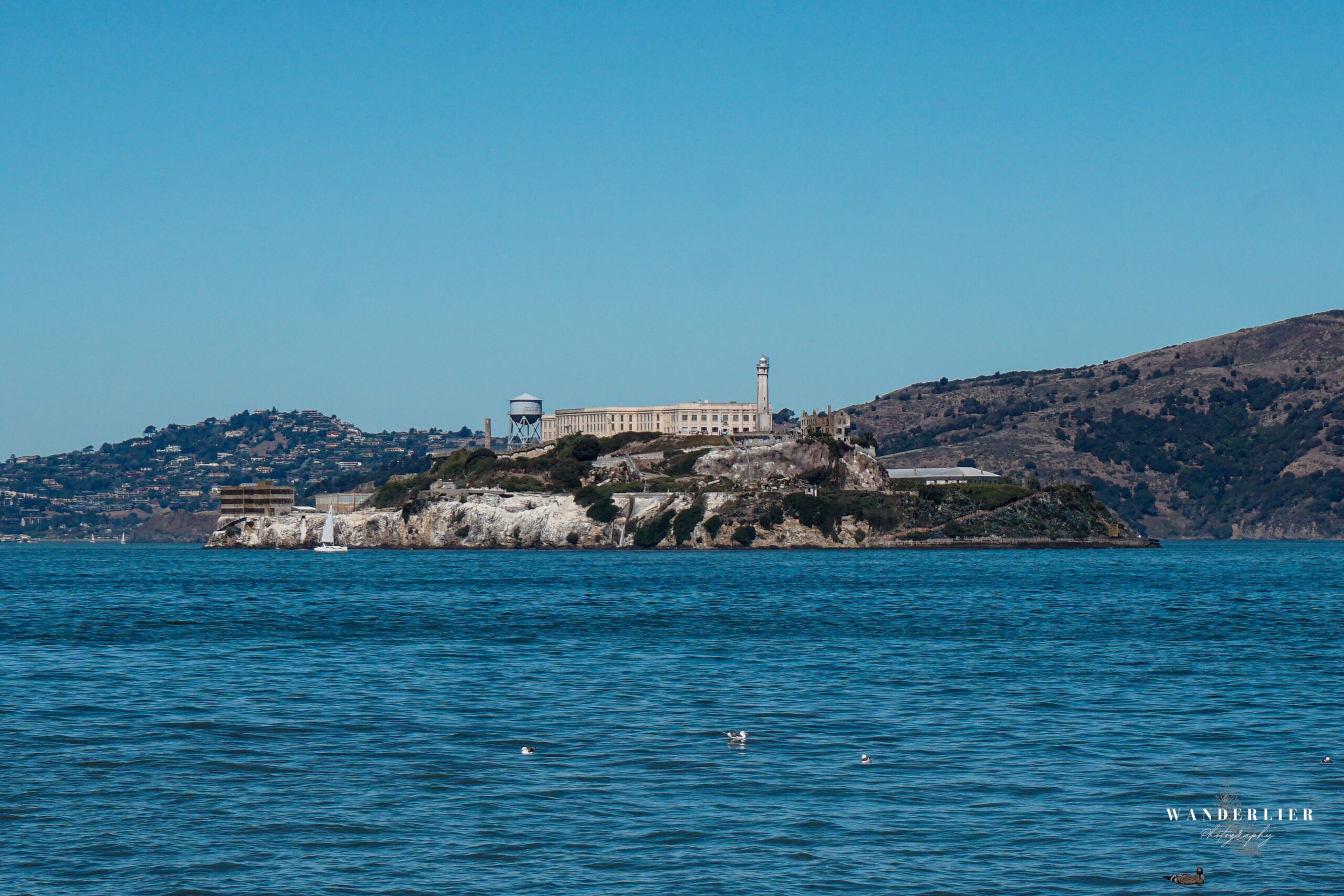
Alcatraz Island, located in the San Francisco Bay, is home to one of the most famous prisons in American history: Alcatraz Federal Penitentiary. Often referred to simply as “The Rock,” Alcatraz became infamous for its harsh conditions, high-profile inmates, and its near-impossible escape attempts. The island itself has a long and varied history, dating back to its use as a military fortification in the 19th century before becoming a federal prison in 1934.

Alcatraz was designed to house the most dangerous criminals in the United States, those who were deemed too troublesome for other prisons. The island’s isolation and the cold, treacherous waters surrounding it made it an ideal location for a high-security prison. It became notorious for its strict regulations and its reputation as a place from which escape was virtually impossible. Some of the most famous criminals in American history, including Al Capone, Robert Stroud (the “Birdman of Alcatraz”), and George “Machine Gun” Kelly, were housed at Alcatraz.

The prison itself was known for its tough living conditions, with small, sparse cells and little opportunity for recreation. Prisoners were subjected to harsh discipline and isolation, which led to numerous failed escape attempts. The most famous escape, in 1962, involved a daring and creative plot by three inmates who managed to escape through a tunnel they had carved into their cells, but their ultimate fate remains a mystery to this day.

Alcatraz was shut down as a federal prison in 1963 due to the high cost of maintaining the facility and the deteriorating conditions of the infrastructure. In the years that followed, the island became the center of controversy when Native American activists occupied it from 1969 to 1971, protesting the government’s treatment of indigenous people. This period of occupation helped bring attention to the issues of Native American rights and the island’s cultural significance.

Today, Alcatraz Island is a popular tourist destination, managed by the National Park Service as part of the Golden Gate National Recreation Area. Visitors can take guided tours of the island, exploring the remnants of the old prison, and learn about its history, including its role in both the penal system and the civil rights movement. The cell blocks, solitary confinement rooms, and iconic guard towers still stand, giving visitors a chilling glimpse into life behind bars.

Beyond its history as a prison, Alcatraz Island is also known for its natural beauty. It is home to a diverse range of wildlife, including seabirds and native plants, making it a popular spot for nature enthusiasts as well. The views of the San Francisco skyline, Golden Gate Bridge, and the bay from Alcatraz are stunning, adding an unexpected contrast to the grim history of the prison.

A visit to Alcatraz offers a fascinating journey through history, combining elements of criminal justice, civil rights, and natural beauty, making it a must-see landmark for anyone visiting San Francisco.

Fishermans Wharf

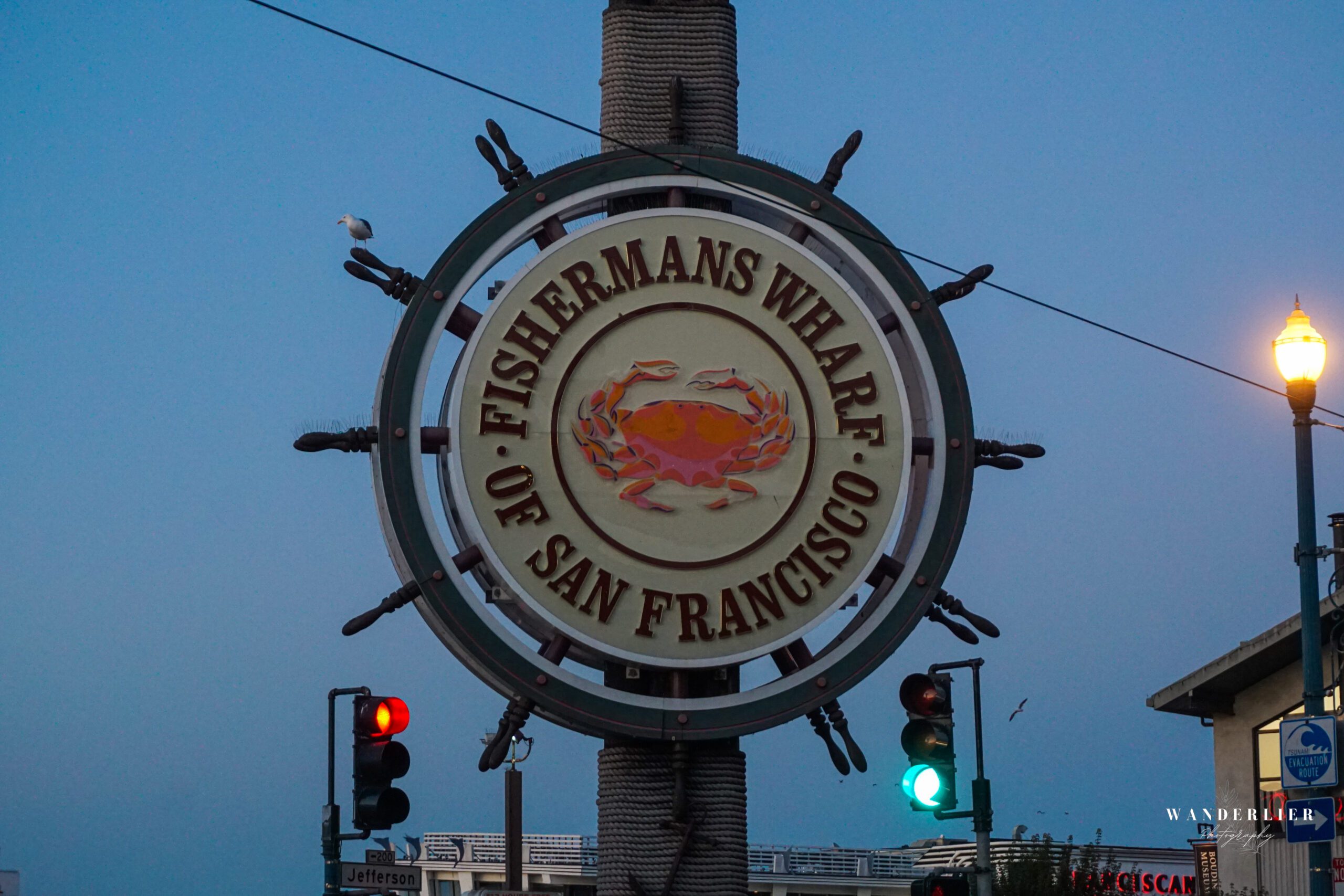
Fisherman’s Wharf, located along the northern waterfront of San Francisco, is one of the city’s most iconic and bustling neighborhoods. Known for its historic charm, vibrant atmosphere, and stunning waterfront views, Fisherman’s Wharf is a must-see destination for visitors to the city. Originally a working-class area where fishermen landed their catches, the wharf has evolved into a major commercial and tourist hub, offering a blend of history, culture, and entertainment.

One of the main attractions at Fisherman’s Wharf is its rich maritime history. The area was once home to Italian immigrants who established a thriving fishing industry, and their legacy is still visible today. Visitors can stroll along the waterfront and watch as boats bring in fresh catches, including the area’s famous Dungeness crab. The Wharf also houses the San Francisco Maritime National Historical Park, where visitors can explore historic ships, learn about the history of the waterfront, and experience what life was like on the water.

The Wharf is also home to a variety of other attractions, including the popular Pier 39. This bustling shopping center is known for its family-friendly activities, restaurants, and shops. It is also famous for its sea lion population, which can be seen lounging on the docks and providing entertainment for visitors. Another highlight of the Wharf is the interactive aquarium at the Aquarium of the Bay, where visitors can learn about marine life from the waters surrounding San Francisco.

In addition to its attractions, Fisherman’s Wharf is also known for its delicious seafood. From casual clam chowder served in sourdough bread bowls to fine dining options, the area offers a wide range of culinary experiences. The smell of fresh seafood fills the air, drawing visitors to sample local dishes at waterfront restaurants.

Fisherman’s Wharf also offers breathtaking views of the Golden Gate Bridge, Alcatraz Island, and the Bay Area. Many visitors take boat tours from the Wharf, which provide a unique perspective of San Francisco’s famous landmarks and the beautiful bay.

Overall, Fisherman’s Wharf is a vibrant, lively neighborhood that combines history, culture, shopping, dining, and entertainment. Its unique blend of old-world charm and modern attractions makes it one of San Francisco’s most beloved and visited locations. Whether you’re interested in learning about the city’s maritime history, enjoying fresh seafood, or simply taking in the beautiful views, Fisherman’s Wharf offers something for everyone.

Lombard street

Lombard Street, often referred to as “the crookedest street in the world,” is one of San Francisco’s most famous landmarks and a popular tourist attraction. Located in the Russian Hill neighborhood, this winding, steep street is known for its eight sharp, hairpin turns, which create a unique zig-zag pattern that makes it both an engineering marvel and a picturesque sight.

The history of Lombard Street dates back to the 1920s, when it was redesigned to reduce the steepness of the hill, which was originally deemed too dangerous for vehicles to navigate safely. The decision to make it a one-block stretch with a series of tight turns helped make the street more navigable for drivers while adding an element of charm and distinctiveness to the area. The steep incline of Lombard Street — with a grade of around 27% — is what gives it its dramatic character, and it remains a feat of urban engineering.

The section of Lombard Street between Hyde Street and Leavenworth Street is the most famous, as it is where the hairpin turns can be observed. Lined with beautiful flowers and well-maintained gardens, the street has a natural elegance that draws visitors year-round. In addition to its reputation as a quirky road, Lombard Street offers fantastic views of the city, including views of the San Francisco Bay, Alcatraz Island, and the Golden Gate Bridge in the distance.

Walking or driving down Lombard Street is an experience in itself, with tourists and locals alike snapping photos of the serpentine road and its colorful, lush landscaping. For those visiting on foot, it’s a great way to experience San Francisco’s steep hills and distinctive architecture, which add to the city’s unique charm.

While Lombard Street is a beloved tourist spot, it’s also a functioning residential street, with locals living in the area. This blend of everyday life with a major attraction makes it an interesting place to explore. Visitors should be mindful of the traffic and local residents while navigating the street.

Lombard Street also serves as an example of San Francisco’s creative urban planning, which has transformed its hills into both practical and visually striking spaces. In addition to its famous crooked section, the street offers scenic views of the surrounding neighborhood, and a trip to the top rewards visitors with an excellent vantage point of the city’s stunning landscape.

Overall, Lombard Street is a must-visit destination for anyone exploring San Francisco. Its unique, picturesque layout and the incredible views it offers of the city make it an unforgettable experience. Whether you’re taking a leisurely stroll, driving down the winding path, or simply admiring it from a distance, Lombard Street captures the essence of San Francisco’s quirky, charming character.

San Francisco-Oakland Bay bridge

The San Francisco-Oakland Bay Bridge, often referred to simply as the Bay Bridge, is an iconic and essential part of the transportation infrastructure connecting the cities of San Francisco and Oakland in Northern California. Spanning approximately 7.18 miles (11.5 kilometers), the bridge is one of the busiest and most significant in the United States, providing a vital link between the San Francisco Peninsula and the East Bay.

Opened in 1936, the Bay Bridge was initially celebrated as an engineering marvel. Designed by engineer Ralph Modjeski and architect William C. Mendenhall, the bridge features two major spans: the western span, connecting San Francisco with Yerba Buena Island, and the eastern span, linking the island to Oakland. The bridge’s design and construction were completed in just three and a half years, which was an extraordinary feat given the scale of the project. The bridge’s completion played a crucial role in the development and growth of the Bay Area, making it easier for people to travel between San Francisco and Oakland and fostering economic expansion.

In addition to its utilitarian function, the Bay Bridge is also a beautiful structure, especially when illuminated at night. In 2013, the bridge underwent a major reconstruction project, particularly to replace the eastern span. The new eastern span features a sleek, modern design with a distinctive, sweeping suspension section and an elegant tower, making it a contemporary counterpart to the original bridge. The new span also improved safety and traffic flow, as the old eastern span had suffered from structural damage over the years.

The Bay Bridge is also known for its breathtaking views. From the western end, motorists and passengers can take in a stunning panorama of the San Francisco skyline, the Golden Gate Bridge, and the surrounding Bay Area. The view from the eastern end offers sweeping vistas of Oakland, Alameda, and the hills beyond. The bridge is particularly striking at night, when the city lights sparkle against the dark sky, making it a beloved part of the Bay Area’s skyline.

The Bay Bridge is a symbol of the region’s innovation, resilience, and interconnectedness. Over the years, it has been the subject of various artistic projects, including the “Bay Lights” installation — an LED light display that illuminated the bridge’s cables and became one of the largest light art installations in the world. This project, created by artist Leo Villareal, highlighted the bridge as not just a piece of engineering but as a cultural and artistic landmark.

In addition to its aesthetic and historical significance, the Bay Bridge is a crucial part of the daily commute for thousands of residents and workers traveling between San Francisco and Oakland. The bridge is often featured in films, TV shows, and photographs, solidifying its status as an iconic feature of the San Francisco Bay Area. Whether seen from afar or crossed by those on their daily commute, the Bay Bridge continues to serve as a symbol of connection and movement in one of the most dynamic metropolitan areas in the United States.

Palace of fine arts

The Palace of Fine Arts in San Francisco is one of the city’s most iconic landmarks, celebrated for its stunning architecture, rich history, and serene beauty. Located in the Marina District, this classical structure was originally constructed for the 1915 Panama-Pacific International Exposition, a world’s fair that celebrated the completion of the Panama Canal and showcased San Francisco’s recovery from the 1906 earthquake. The Palace of Fine Arts was designed by architect Bernard Maybeck and was intended to house the fine arts exhibits during the fair. Its design was inspired by the classical Roman and Greek architectural styles, with a grand rotunda, sweeping columns, and a lagoon that adds to its timeless appeal.

One of the most striking features of the Palace of Fine Arts is its enormous, domed rotunda, surrounded by a colonnade of 36 massive Corinthian columns. These columns support a circular, open-air space, with a large dome at the center that once housed a grand exhibition hall. The building’s grandeur and classical style made it one of the most memorable attractions of the Panama-Pacific International Exposition. After the fair, the Palace of Fine Arts was initially intended to be a temporary structure, but due to its overwhelming popularity and cultural significance, it was preserved and later restored.

Over the years, the Palace of Fine Arts has become an enduring symbol of San Francisco’s artistic and architectural heritage. Its striking beauty has made it a favorite spot for both locals and visitors, who come to enjoy its tranquil surroundings, photograph the impressive columns, and marvel at its reflection in the lagoon. The building’s architecture has also been the inspiration for several movies, making it one of the most photographed and recognized sites in the city.

In addition to its architectural beauty, the Palace of Fine Arts also has a cultural and artistic significance. It is home to the Palace of Fine Arts Theatre, which hosts a variety of events, including concerts, theater performances, and lectures. The building is also adjacent to the Exploratorium, a popular science museum that invites visitors to engage with interactive exhibits.

The surrounding park and lagoon offer a peaceful escape from the bustling city, with walkways that allow visitors to enjoy the architecture up close or relax in the picturesque environment. The peaceful atmosphere, combined with the stunning structure, makes the Palace of Fine Arts one of the most romantic and serene spots in San Francisco.

In 1964, the Palace of Fine Arts underwent a major restoration, which preserved the building’s historical integrity while ensuring it would be enjoyed by generations to come. Today, it remains a must-see attraction for tourists and a cherished landmark for San Franciscans. Whether visiting for a leisurely walk, attending a performance, or simply taking in the beauty of its architecture, the Palace of Fine Arts continues to captivate and inspire all who encounter it.

Phelan building

The Phelan Building is a historic and significant landmark in San Francisco, known for its architectural grandeur and historical importance. Located at the corner of Market Street and Sixth Street, this iconic building was constructed in 1908 and was one of the tallest buildings in San Francisco at the time. The building was designed by the prominent architectural firm Reuben H. D. Phelan & Sons, with a Beaux-Arts style that emphasizes classical details and elegant proportions. The Phelan Building is a true reflection of the city’s growth and ambition during the early 20th century, symbolizing the rapid urban development that took place after the 1906 earthquake.

The Phelan Building was originally built as an office building, housing retail shops, offices, and even a rooftop garden. Its architectural design is marked by a striking facade of terracotta and decorative stonework, with large windows that allowed natural light to flood the interiors. The building was considered a marvel at the time of its completion, offering modern amenities and state-of-the-art features, including an early form of air conditioning.

At 12 stories tall, the Phelan Building stood as a symbol of the city’s forward-looking attitude. It was particularly notable for its height, especially considering that it was constructed during an era when skyscrapers were still relatively new to San Francisco. The Phelan Building’s early success and longevity reflect its importance within the urban fabric of San Francisco.

The building is also historically significant due to its connection with the Phelan family, who were influential in San Francisco’s business and civic life. Reuben H. Phelan, a wealthy businessman and philanthropist, was instrumental in the development of the city’s infrastructure, and his family’s influence is seen throughout the city, with other buildings and institutions bearing their name.

In 1934, the Phelan Building underwent a major renovation to accommodate the changing needs of the city and its growing commercial landscape. This included modernizing the building’s amenities and improving its structural integrity. Despite the changes, the Phelan Building has maintained much of its original charm and historic character.

The Phelan Building’s enduring legacy is also tied to its role in San Francisco’s skyline. In its early years, it was one of the city’s tallest buildings and a point of pride for the local community. Over the decades, as the city continued to grow and modernize, the Phelan Building remained an important landmark that reflects San Francisco’s rich history and architectural evolution.

Today, while the Phelan Building no longer holds the title of tallest building in the city, it remains an essential part of San Francisco’s architectural heritage. Its classic beauty and historical significance make it a cherished site in the heart of the city. Visitors and locals alike appreciate the building’s unique blend of history and design, and it continues to be a part of the dynamic urban landscape that characterizes downtown San Francisco.

San Francisco City Hall

San Francisco City Hall is one of the most recognizable and architecturally stunning buildings in San Francisco, standing as a symbol of the city’s rich history, culture, and governmental heritage. Located in the Civic Center district, City Hall serves as the seat of San Francisco’s local government, housing the offices of the Mayor, the Board of Supervisors, and other key city departments. The building is not only a functional government space but also a monumental example of Beaux-Arts architecture, a style characterized by its classical elegance and grandeur.

Completed in 1915, San Francisco City Hall was designed by the architectural firm Bakewell & Brown. The building was constructed as part of the larger development surrounding the Panama-Pacific International Exposition, which was held in San Francisco to celebrate the completion of the Panama Canal. The design of City Hall draws on classical elements such as grand columns, marble floors, and expansive open spaces, and it features a central rotunda topped by a stunning dome that reaches 307 feet (93 meters) into the sky. The dome is one of the tallest in the world, making City Hall’s silhouette one of the most iconic in the city.

The building’s exterior is constructed from reinforced concrete, adorned with white limestone and intricate stonework, giving it a timeless, elegant appearance. The interior is just as impressive, with its soaring ceilings, lavish staircases, and detailed murals that reflect the city’s history and civic pride. Visitors to City Hall can explore its grand halls, admire the art and architecture, and even visit the rotunda, where civil ceremonies, such as weddings, are frequently held.

San Francisco City Hall also holds historical significance due to several pivotal moments in the city’s history. In 1978, it was the site of the tragic assassination of Mayor George Moscone and Supervisor Harvey Milk, two figures who had championed progressive causes in the city. Their deaths marked a somber chapter in the city’s history, but their legacy continues to be honored in San Francisco’s political and cultural life.

The building was severely damaged in the 1906 earthquake but was rebuilt in its current form, standing as a testament to resilience. In recent years, it has undergone extensive renovation and restoration to preserve its historical features while upgrading the building to meet modern standards.

Today, San Francisco City Hall is more than just a government building; it is a cultural and civic landmark that draws visitors from around the world. The building’s stunning architecture, historical significance, and its role in the city’s governmental functions make it one of the most important and celebrated structures in San Francisco. It’s a popular site for photography, public events, and as a symbol of civic pride for the residents of San Francisco.