
Oslo
Oslo, the capital of Norway, is a city with a rich history and vibrant culture. Located on the Oslofjord, it offers stunning natural beauty and modern architecture. Visitors are immediately struck by the perfect blend of urban life and lush green spaces. The city’s parks, forests, and coastline make it a haven for outdoor enthusiasts. In fact, Oslo is known for its commitment to sustainability and green initiatives.
The city’s history dates back over a thousand years, and remnants of its past are still visible today. The Royal Palace, an iconic landmark, stands proudly in the heart of Oslo. The medieval Akershus Fortress offers a glimpse into the city’s past. Museums like the Viking Ship Museum and the Munch Museum celebrate Norway’s artistic and cultural heritage. These attractions highlight the city’s connection to its history and its artistic accomplishments.
Modern Oslo is a hub for innovation and design. The Oslo Opera House is an architectural marvel, blending seamlessly into the fjord landscape. The Barcode Project, with its striking, modern buildings, is another example of the city’s contemporary appeal. Oslo’s commitment to sustainability is evident in its green public transportation options and eco-friendly buildings.
Oslo is also known for its dynamic culinary scene. From Michelin-starred restaurants to cozy local eateries, the city offers a wide variety of dining experiences. Norwegian specialties, such as fresh seafood and reindeer, are a must-try.
Additionally, Oslo’s diverse cultural events attract people from all over the world. The Oslo Jazz Festival, Nobel Peace Prize ceremonies, and other events showcase the city’s cultural vibrancy. All in all, Oslo is a city that effortlessly blends history, nature, and modernity, making it a fascinating place to visit.
The Oslo Opera house
The Oslo Opera House, located on the waterfront of the Oslofjord, is one of Norway’s architectural gems. It was completed in 2008 and has since become a symbol of modern Norwegian design. The building’s sleek, white exterior features a unique sloping roof, allowing visitors to walk up and enjoy panoramic views of the fjord and city.
Designed by the Norwegian architectural firm Snøhetta, the Opera House blends traditional and contemporary elements. Its design was inspired by natural landscapes, reflecting the country’s connection to its environment. The slanted roof, resembling a glacier, invites people to interact with the building in a way that is rare for such large structures. Visitors can explore the roof and enjoy the views, making it a popular spot for tourists and locals alike.
Inside, the Opera House boasts a vast, open space with several performance halls, including the main opera hall. This hall is known for its excellent acoustics, which provide an exceptional experience for both performers and audiences. The building’s interior features warm wood paneling and elegant, minimalist design, creating a welcoming atmosphere.
In addition to opera, the venue hosts ballet, classical concerts, and other cultural events. It serves as a hub for Norway’s performing arts scene. The Opera House’s modern design contrasts with Oslo’s more traditional landmarks, yet it fits perfectly into the city’s growing reputation for contemporary architecture.
The building has received numerous awards for its design and innovation. It is also an example of Norway’s commitment to cultural investment and the arts. For both architecture enthusiasts and those interested in the performing arts, the Oslo Opera House is a must-visit destination.

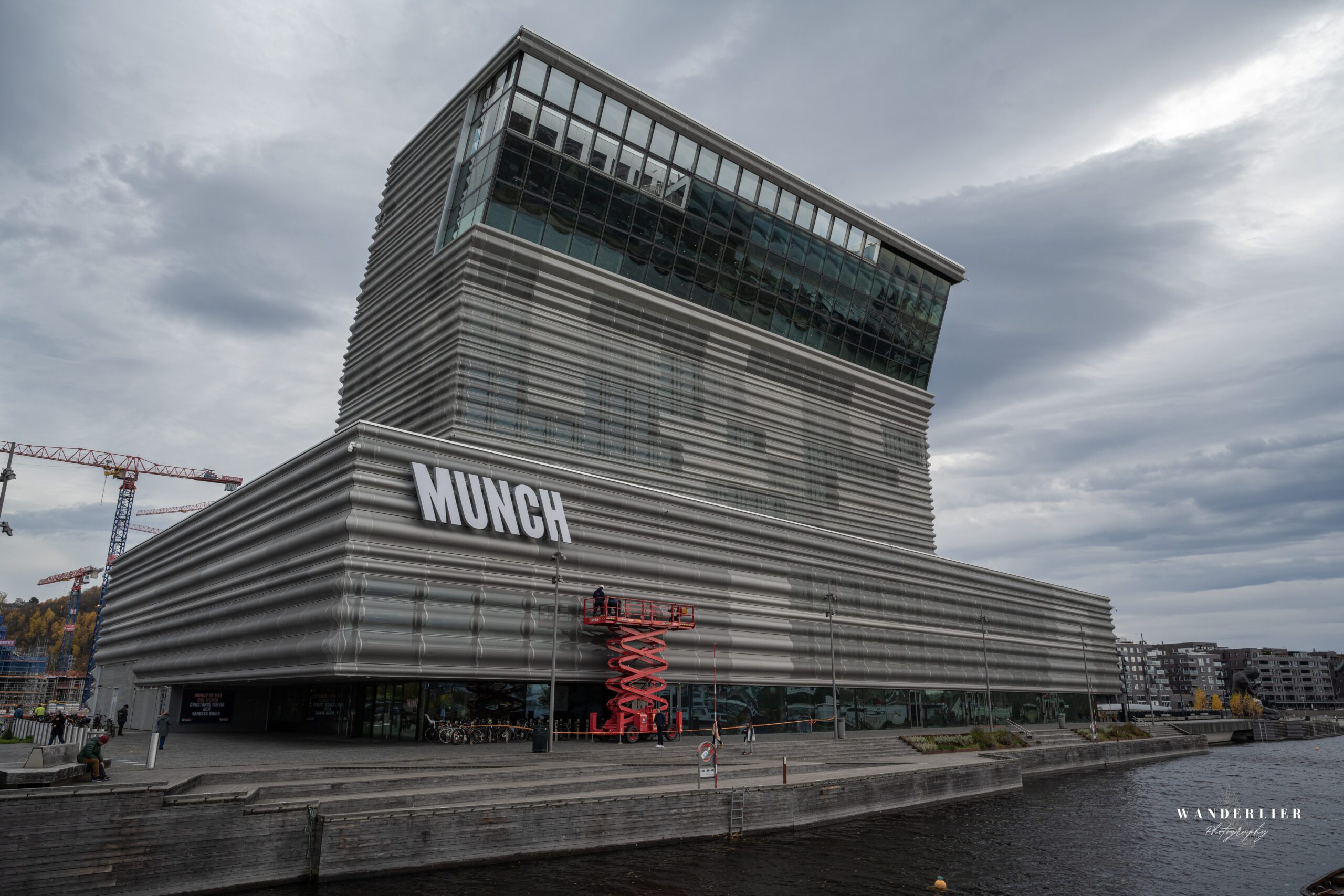
Munch museum
The Munch Museum in Oslo, Norway, is dedicated to the life and work of famous Norwegian painter Edvard Munch. Located in the eastern part of Oslo, it is one of the most important cultural institutions in Norway. The museum houses an extensive collection of Munch’s paintings, drawings, and prints, offering a deep insight into his creative process and artistic evolution.
The museum is best known for its vast collection of works by Edvard Munch, including several versions of his iconic painting “The Scream.” This painting, with its swirling colors and haunting figure, has become one of the most recognized images in the history of art. The museum also showcases lesser-known works, offering visitors a more complete understanding of Munch’s artistry and personal life.
The Munch Museum’s building itself is a modern architectural marvel. Its sleek, contemporary design complements the innovative and emotional nature of Munch’s work. The museum’s exhibitions are regularly updated, ensuring that there is always something new for visitors to experience. Temporary exhibitions often focus on Munch’s influence on other artists or explore different periods of his life.
In addition to its permanent and temporary exhibitions, the museum also offers a variety of educational programs and events. These include workshops, lectures, and guided tours, making the museum an engaging destination for visitors of all ages. The museum’s location near the Oslo Opera House and the Holmenkollen Ski Museum makes it easy to incorporate into a day of sightseeing in the Norwegian capital.
The Royal Palace of Oslo
The Royal Palace in Oslo, Norway, is the official residence of the Norwegian monarch. It is located at the end of Karl Johans gate, Oslo’s main street, and is one of the most iconic landmarks in the city. The palace was completed in 1849 and has since been the home of Norway’s royal family. Its neoclassical design and grand architecture make it an impressive structure.
The palace sits within a large park, called the Palace Park, which offers visitors beautiful green spaces to enjoy. The surrounding gardens and trees add to the serene atmosphere of the area. The park is also open to the public, providing a peaceful retreat in the heart of the city.
The Royal Palace is open to visitors during the summer months. Guided tours offer a chance to explore several of the palace’s rooms, including the King’s Hall, the Council Chamber, and the impressive ballroom. Each room reflects the history and traditions of the Norwegian monarchy. The rooms are filled with elegant furniture, royal artifacts, and artworks that showcase the country’s rich cultural heritage.
A major attraction outside the Royal Palace is the daily changing of the guard ceremony. This event occurs at noon and is a popular spectacle for tourists and locals alike. The guards, dressed in traditional uniforms, march with precision and honor, adding to the grandeur of the royal residence.
In addition to its role as a royal residence, the Royal Palace also hosts official events and ceremonies. The Norwegian monarch receives foreign dignitaries and holds state functions within its walls. The palace is not just a residence; it plays an important role in the nation’s political and cultural life.

Akershus
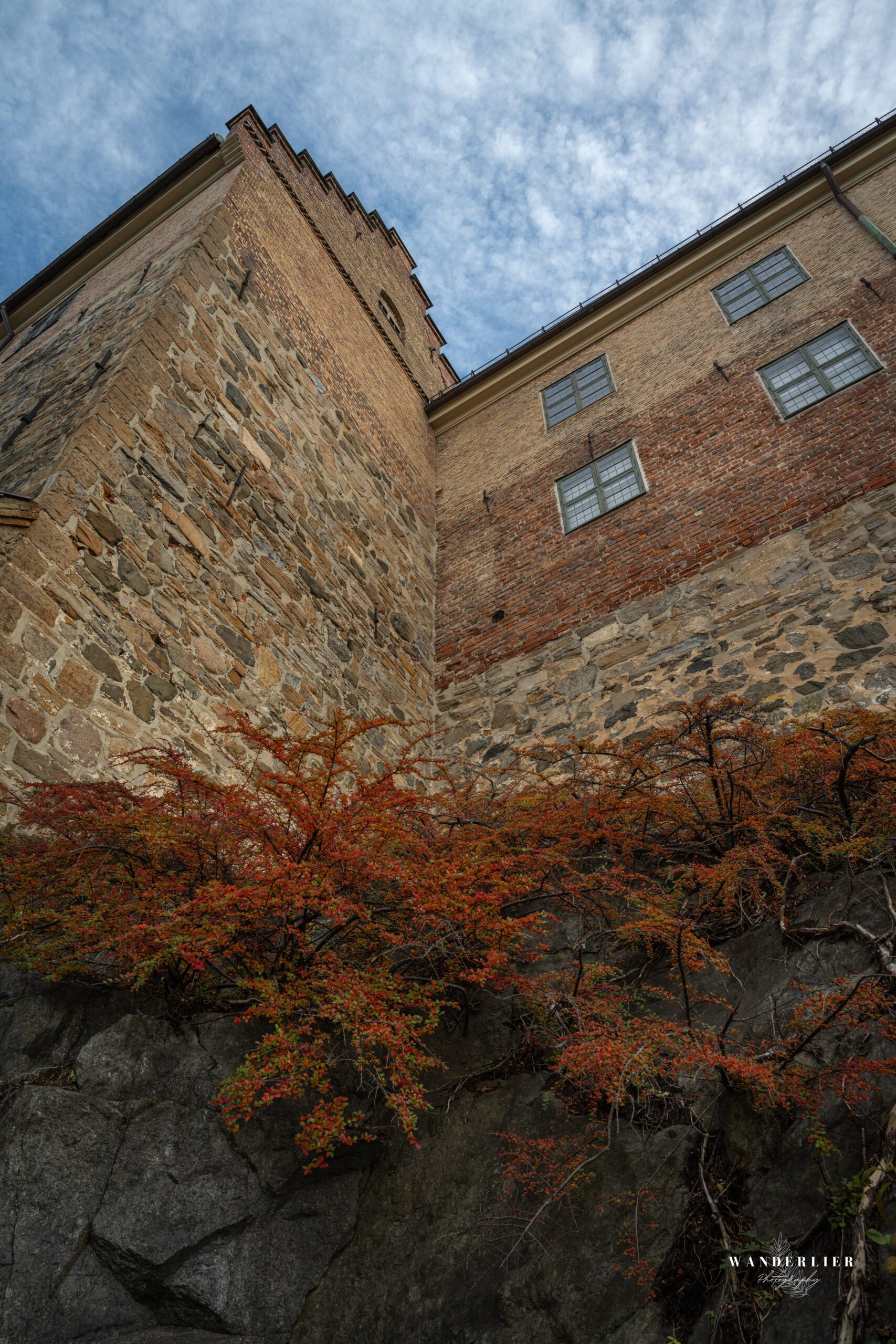
Akershus Fortress, located in Oslo, Norway, is one of the city’s most historic and iconic landmarks. Situated on a hill overlooking the Oslofjord, the fortress has played a crucial role in Norway’s defense for centuries. Construction of Akershus Fortress began in the late 1290s by King Håkon V. Since then, it has witnessed numerous battles, sieges, and significant events in Norwegian history.
The fortress complex includes several buildings, ramparts, and towers, all surrounded by a moat. Its strategic location made it an ideal fortress to defend the city and control access to the Oslofjord. Over the centuries, Akershus has served various purposes, including as a royal residence, military stronghold, and prison.
Today, Akershus Fortress is open to the public and offers visitors a chance to explore its history and architecture. The fortress is home to several museums, including the Norwegian Armed Forces Museum and the Norwegian Resistance Museum. These museums provide fascinating insights into Norway’s military history and its resistance during World War II. The exhibits showcase personal stories, artifacts, and displays that highlight the courage and resilience of the Norwegian people during the war.
Visitors to Akershus can walk along its well-preserved walls and enjoy panoramic views of Oslo and the surrounding fjord. The fortress is also a popular spot for events and ceremonies, such as the changing of the guard. The surrounding park area offers a peaceful retreat, where visitors can relax and enjoy the scenic surroundings.
Akershus Fortress is not only a symbol of Oslo’s military past but also a symbol of Norway’s resilience and history. Its central location, rich heritage, and stunning views make it a must-visit site for anyone exploring Oslo. The fortress is an enduring testament to the strength and history of the Norwegian people.
Norwegian Parlement building
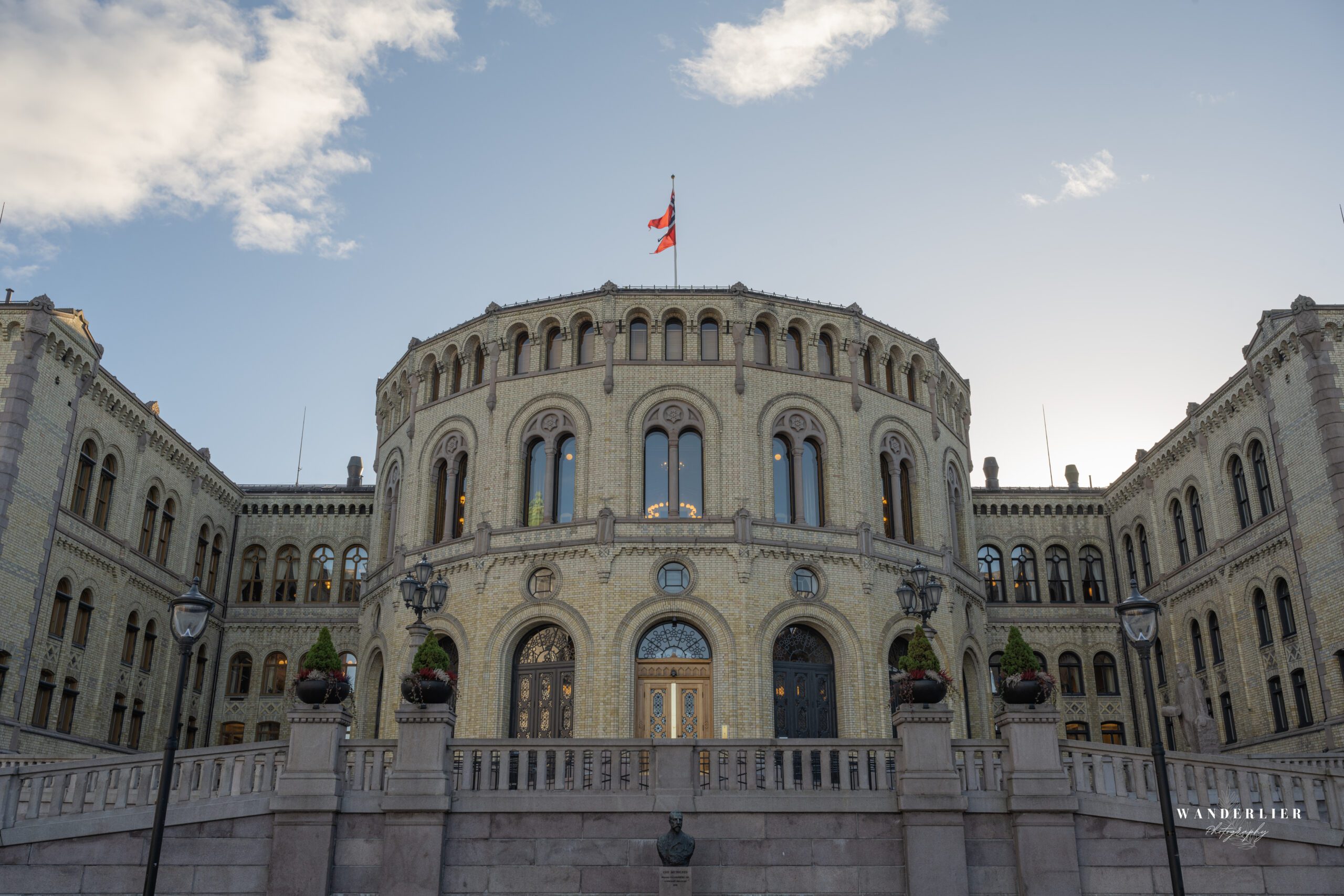
The Norwegian Parliament building, known as Stortinget, is one of Oslo’s most prominent landmarks. Located in the heart of the city, it is a symbol of Norway’s democracy and political history. The building was designed by the architect Emil Victor Langlet and completed in 1866. Its architectural style blends elements of Romanesque Revival and Gothic Revival, making it an impressive sight.
The Stortinget is home to Norway’s national legislature, the Storting, which is responsible for making laws, approving the government, and overseeing national matters. It consists of 169 members, who are elected every four years. The building itself is both functional and symbolic, representing the strength of the Norwegian democratic system.
Visitors to Stortinget can admire its beautiful exterior, which is characterized by stone columns, intricate details, and grand windows. The building sits in a central location, surrounded by Parliament Square, where people often gather during political events. The front of the building features a large staircase, leading up to the main entrance.
Inside, the Parliament building is equally stunning, with a blend of historical rooms and modern facilities. The main chamber, where parliamentary debates and voting take place, is located on the first floor. It is a grand hall with a high ceiling and a central desk where the Speaker of the Parliament presides over the meetings. Visitors can also explore the numerous meeting rooms and corridors that make up the legislative complex.
While the Norwegian Parliament building is primarily a place of governance, it is also open to the public. Guided tours are available, allowing visitors to learn more about Norway’s political system, history, and the workings of the Storting. The building is a vital part of the country’s identity, symbolizing transparency, democracy, and public participation.
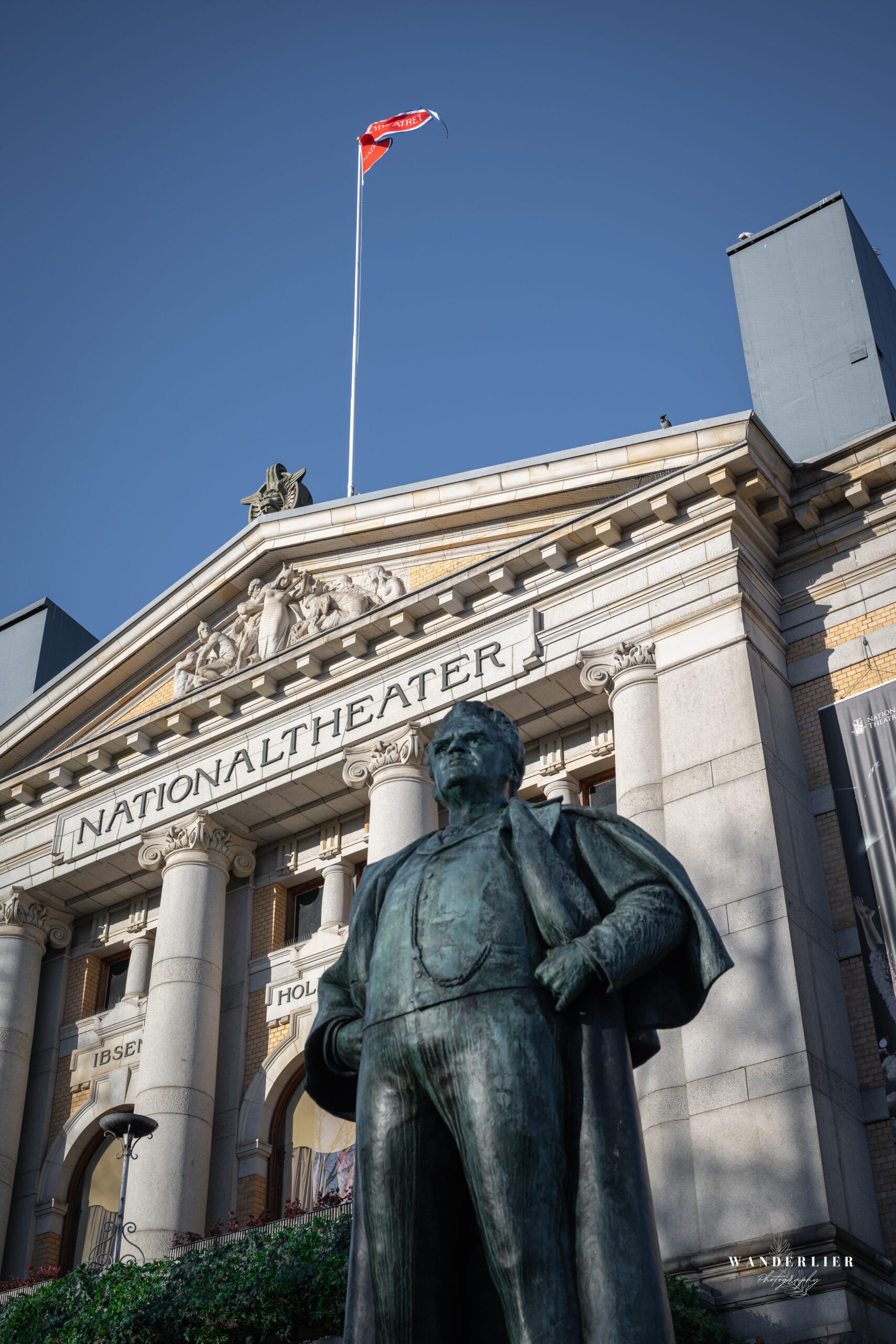
National theater
The National Theatre (Det Norske Teatret) in Oslo is one of Norway’s most prestigious cultural institutions. Located in the heart of the city, it stands as a symbol of Norway’s rich theatrical tradition. The theatre was opened in 1899 and has since become a focal point for Norwegian drama and performing arts.
Designed by architect Henrik Bull, the building showcases a grand neoclassical style with a distinct blend of traditional and modern elements. Its iconic façade is adorned with statues and intricate carvings, giving it a majestic presence on the Oslo cityscape. Inside, the theatre features several performance spaces, including the main auditorium, which can seat over 1,000 people. The interior design combines elegance with functionality, offering an immersive experience for the audience.
The National Theatre plays a central role in Norway’s cultural landscape. It stages a variety of productions, ranging from classic Norwegian plays to international works. Many of these performances are in Norwegian, reflecting the country’s dedication to preserving its cultural heritage. Over the years, the theatre has hosted renowned actors, directors, and playwrights, contributing to the growth and development of Norwegian theatre.
In addition to its regular performances, the National Theatre also serves as a venue for festivals, special events, and workshops. These activities aim to engage audiences of all ages and backgrounds, fostering a deeper appreciation for the performing arts.
The National Theatre is not only a hub for theatre lovers but also an architectural gem that draws visitors from around the world. Its central location, near Oslo’s main attractions, makes it easy to include in any sightseeing itinerary. Whether you are attending a performance or simply admiring its historic architecture, the National Theatre is a must-visit destination in Oslo.