

Verona

Verona, the enchanting city in northern Italy, is steeped in history, romance, and cultural splendor. As the setting for the famous love story of Romeo and Juliet, Verona has a timeless appeal that captivates and enchants travelers.

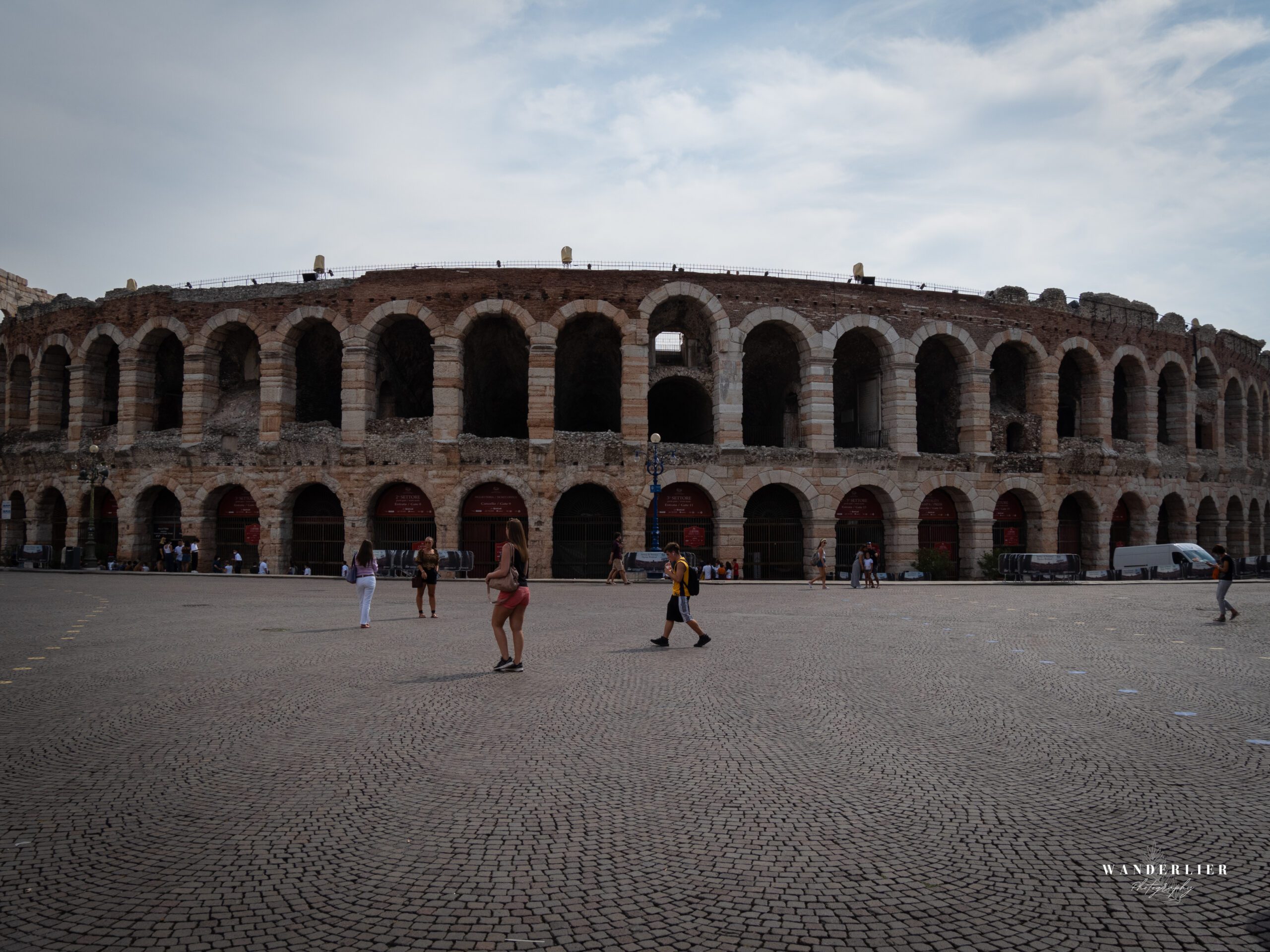
The historic city center is a UNESCO World Heritage site, filled with architectural treasures from various periods. The impressive Roman amphitheater, the Arena di Verona, is one of the best-preserved amphitheaters in the world and still serves as a venue for operas, concerts, and events. The Piazza delle Erbe, surrounded by colorful buildings and market stalls, is a lively place where visitors can enjoy local delicacies and experience the atmosphere of daily life in Verona.

Another highlight is the imposing Castelvecchio, a medieval castle with an impressive bridge that spans the banks of the Adige River. The castle also houses the Castelvecchio Museum, with a rich collection of artworks and historical artifacts.

Verona is also known for its beautiful churches, including the Basilica of San Zeno Maggiore, a masterpiece of Romanesque architecture with a fascinating rose window and sculptures. The Gothic Duomo di Verona, dedicated to Saint Maria Matricolare, is another striking religious site worth admiring.

For literature lovers, a visit to the Casa di Giulietta, Juliet’s house, is an iconic experience. Juliet’s famous balcony attracts romantics from all over the world, and the adjacent museum houses a collection of love letters addressed to Juliet.

Verona also boasts a vibrant culinary scene. Trattorias and osterias offer delicious local dishes, including risotto all’Amarone and pasta dishes such as Bigoli al nero di seppia (black squid ink pasta).
Arena di Verona

The Arena di Verona is one of Italy’s most remarkable historical monuments. It is an ancient Roman amphitheater located in the city of Verona, in northern Italy. Here are some key facts about the Arena di Verona:

The Arena di Verona was built in the 1st century AD and is one of the best-preserved Roman amphitheaters in the world. It was originally used for gladiator battles and other public events.

The arena is made of pink and white marble and has an oval shape, with a circumference of approximately 152 meters. It could accommodate up to 30,000 spectators across different levels.

One of the most striking features of the Arena di Verona is its use as a venue for opera performances. Since the early 20th century, the arena has been the stage for opera festivals, featuring some of the world’s most famous operas. The acoustics in the arena are remarkable, and these events attract thousands of visitors annually.

The Arena di Verona Festival, also known as the Verona Opera Festival (Opera Festival Lirico Arena di Verona), is an annual event held in the summer months, usually from June to September. It features performances of famous operas, such as Giuseppe Verdi’s “Aida” and Giacomo Puccini’s “Turandot.”

Over the centuries, the Arena has undergone various restorations and maintenance work to preserve and restore the structure. Modern seating and facilities have been integrated to improve comfort for visitors, while maintaining the historical appearance of the monument.

Piazza delle Erbe

Piazza delle Erbe is one of the most iconic squares in Verona, Italy. Located in the historic city center, it is known for its beautiful architecture, historical significance, and vibrant atmosphere. Here are some key facts about Piazza delle Erbe:

Piazza delle Erbe is one of the oldest squares in Verona, with a history dating back to Roman times. In ancient times, it served as the city’s central marketplace.

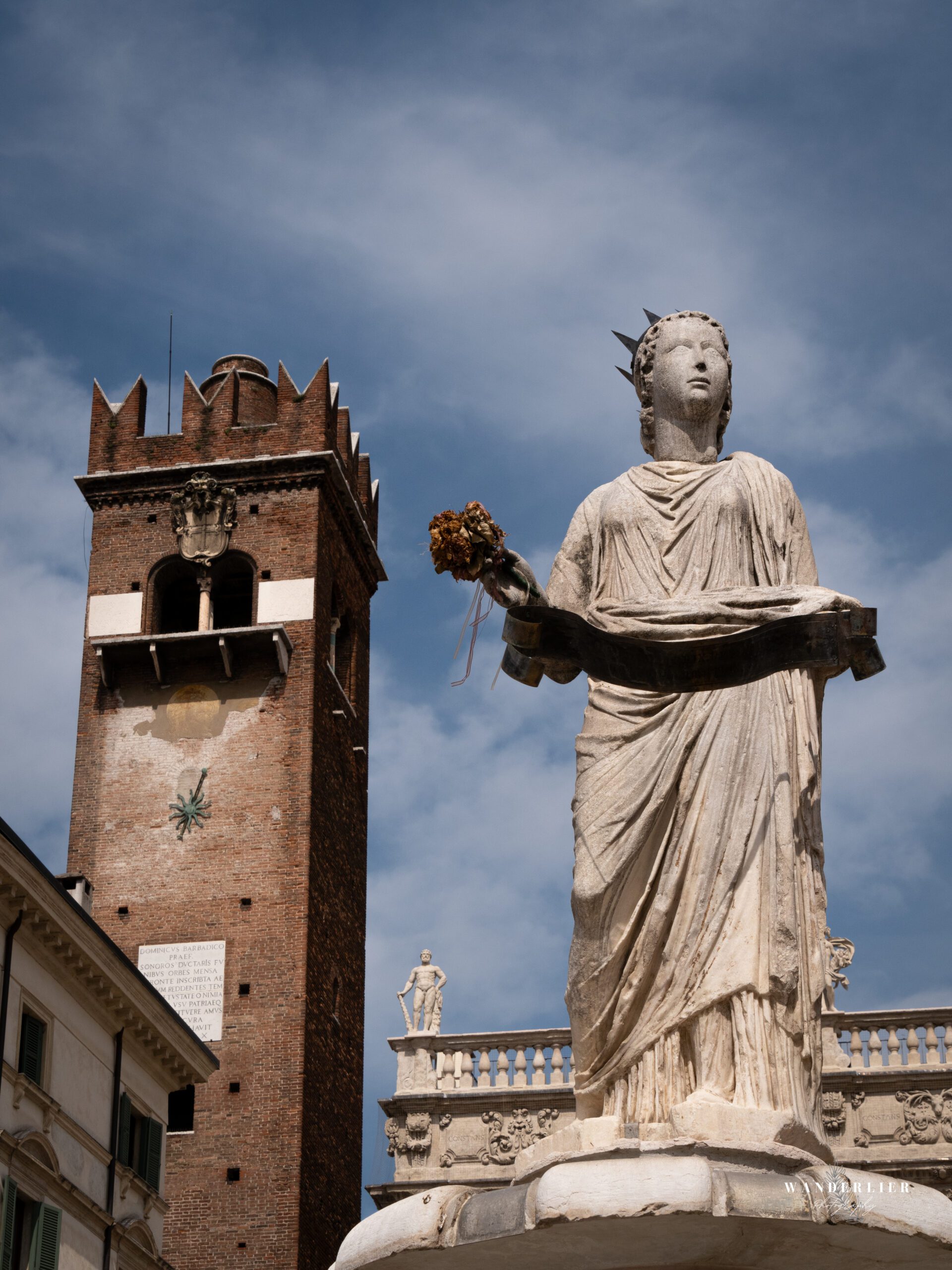
The square is surrounded by historic buildings with stunning architectural details. One of the most prominent buildings is the Torre dei Lamberti, a medieval tower that rises high above the square and offers an impressive view of Verona.

On Piazza delle Erbe, you’ll find several statues and fountains, including the Fountain of Madonna Verona, dating back to the 14th century, and the Fountain of Hercules, depicting Hercules defeating the Nemean Lion.

The square is still a bustling marketplace where local vendors sell fresh produce, vegetables, fruits, flowers, and souvenirs. The market stalls and colorful umbrellas add to the lively and colorful atmosphere of the square.

On the eastern side of the square stands Casa Mazzanti, a historic building dating from the 16th century, featuring one of the most impressive facades on the square. The building has a rich history and has served various purposes throughout the centuries.