

Antwerp
Antwerp is a vibrant city located in the northern part of Belgium, in the Flemish region. It is the capital of the Antwerp province and is known as an important economic, cultural, and historical hub. Here are some features of Antwerp:
The city is home to one of the largest and busiest ports in the world. The port plays a crucial role in international trade and is a key hub for goods transportation.
Antwerp has a rich artistic history, particularly in painting. The city was home to the famous artist Peter Paul Rubens, and his former residence, the Rubenshuis, is now a museum showcasing his artworks and collections. The city also hosts numerous other museums, including the Royal Museum of Fine Arts.
Antwerp boasts a thriving fashion scene and is known for its fashion academy, the Royal Academy of Fine Arts, where many famous designers have trained. The city has a lively shopping scene with boutiques and fashion stores.
Antwerp is globally renowned as the center of the diamond trade. The Diamond District houses numerous jewelers and diamond exchanges.
The city has a diverse culinary scene with a wide range of restaurants, cafés, and eateries. From Belgian chocolate and waffles to delicious Flemish dishes, the city offers a flavorful experience.
It is a multicultural city with a diverse population. This is reflected in the various neighborhoods, shops, and dining establishments influenced by cultures from around the world.
Antwerpen central station
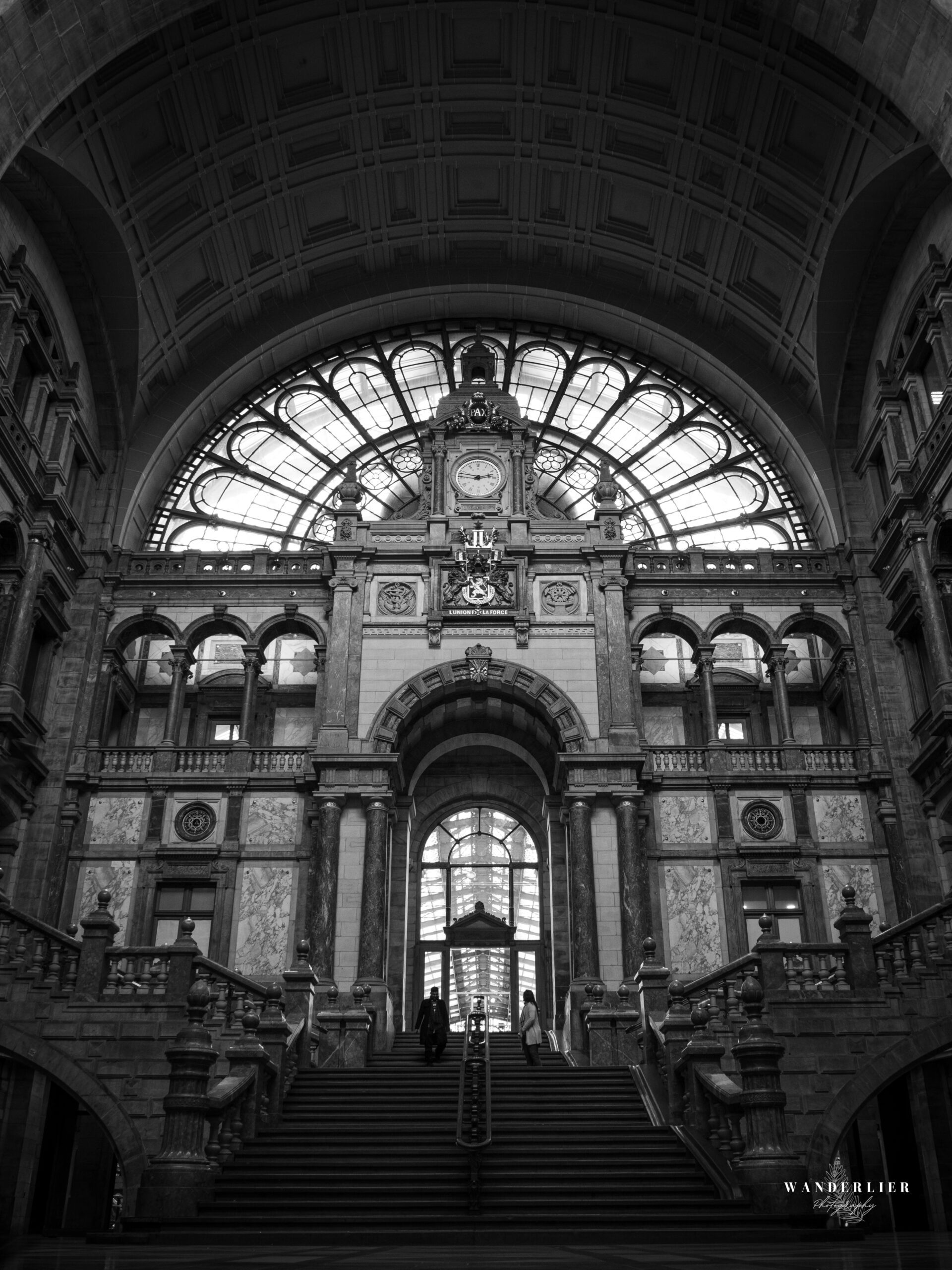
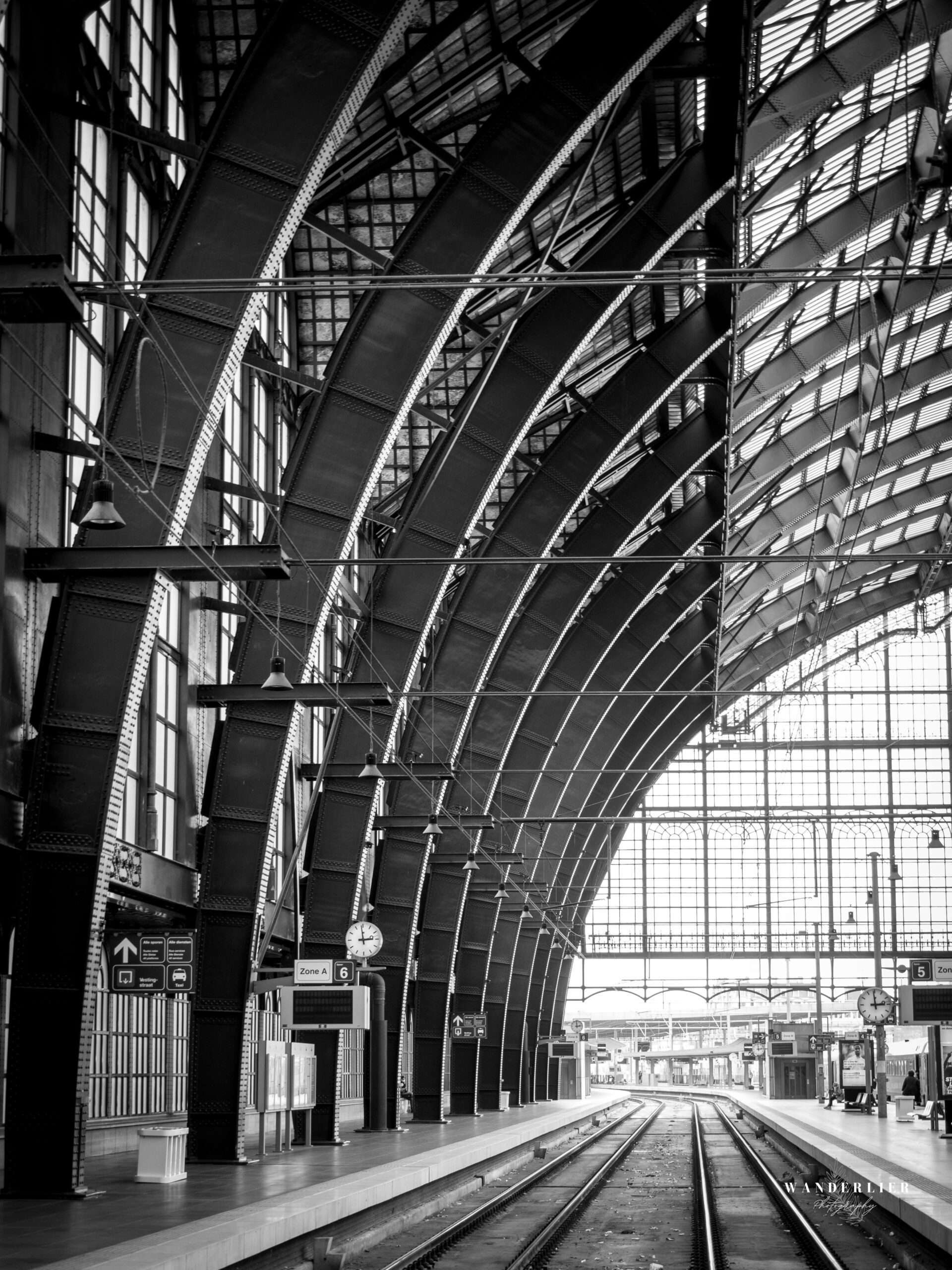
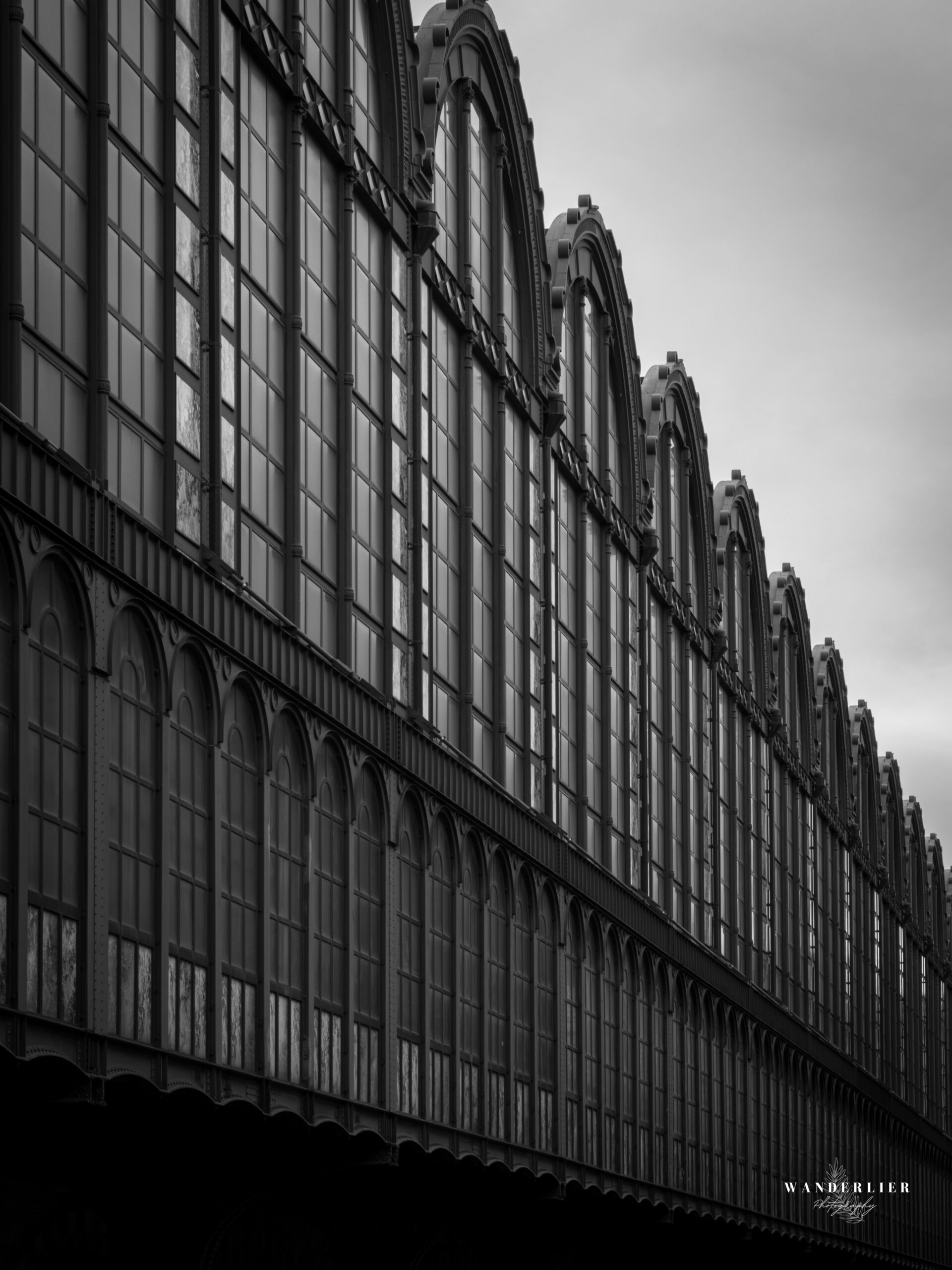
Antwerp Central Station, also known as the Central Station or Middenstation, is one of the most striking and impressive train stations in Belgium. Located in the heart of Antwerp, the largest city in Flanders, the station is a key landmark.
The station is renowned for its beautiful architecture. The original building was designed by Louis Delacenserie in the late 19th century, though there have been several expansions and renovations over the years. The station combines various architectural styles, including neoclassicism and eclecticism.
One of the most notable features of the station is the impressive dome hall. The massive dome, made of glass and iron, is an architectural masterpiece and allows spectacular natural light to fill the station hall.
Antwerp Central is strategically located in the city center and is easily accessible by various forms of public transportation, including trains, trams, and buses.
The station serves as a key hub for international train connections. From Antwerp Central, you can easily travel to cities within Belgium, such as Brussels and Ghent, as well as international destinations like Amsterdam, Paris, and Cologne.
In addition to the stunning above-ground structure, the station also has multiple underground levels with shops, restaurants, and other amenities. This makes the station more than just a transportation hub; it also serves as a shopping and leisure destination.
Antwerp Central Station is not only an important transport hub but also an architectural masterpiece that attracts visitors for its beauty and history.
Sint-Anna tunnel
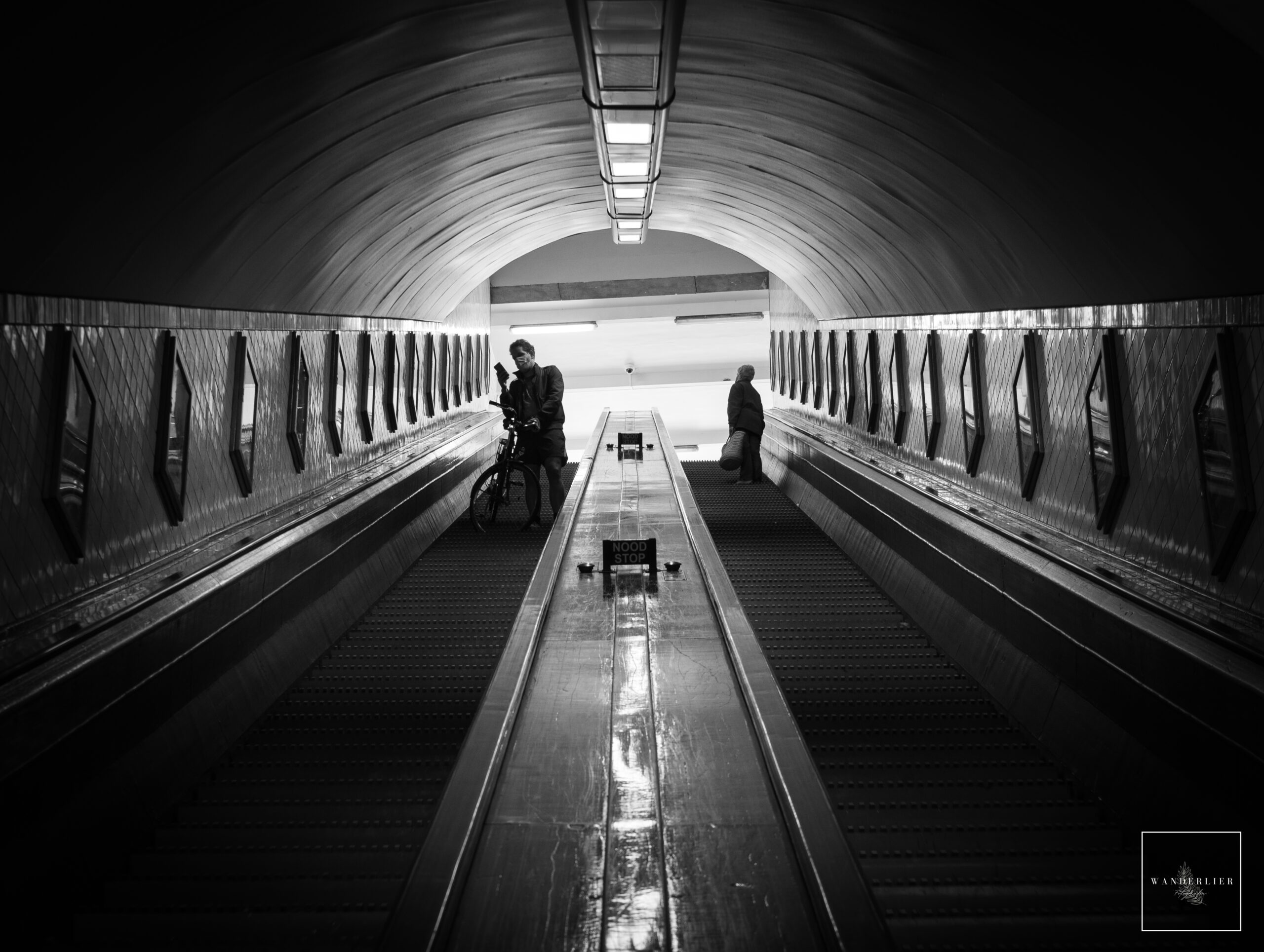
The Sint-Anna Tunnel, also known as the Pedestrian Tunnel, is a historic tunnel in Antwerp, Belgium. It is one of the oldest pedestrian tunnels in the world and offers a unique way to cross the Scheldt River, allowing pedestrians and cyclists to travel beneath the riverbed.
The tunnel was built between 1931 and 1933 and was opened on September 10, 1933. The goal was to provide a direct connection between Antwerp’s city center and the Linkeroever district, located on the western bank of the Scheldt.
The tunnel is approximately 572 meters long and features wooden escalators at both ends, allowing pedestrians and cyclists to easily descend and ascend. The entrances at both ends of the tunnel are adorned with characteristic Art Deco-style buildings.
The Sint-Anna Tunnel connects Sint-Jansvliet in the city center of Antwerp with Gloriantlaan on Linkeroever. It provides an alternative route for pedestrians and cyclists wishing to cross the river without using bridges.
In 1997, the Sint-Anna Tunnel was recognized as a protected monument. It is valued for its historical significance and architectural value.
Museum aan de stroom
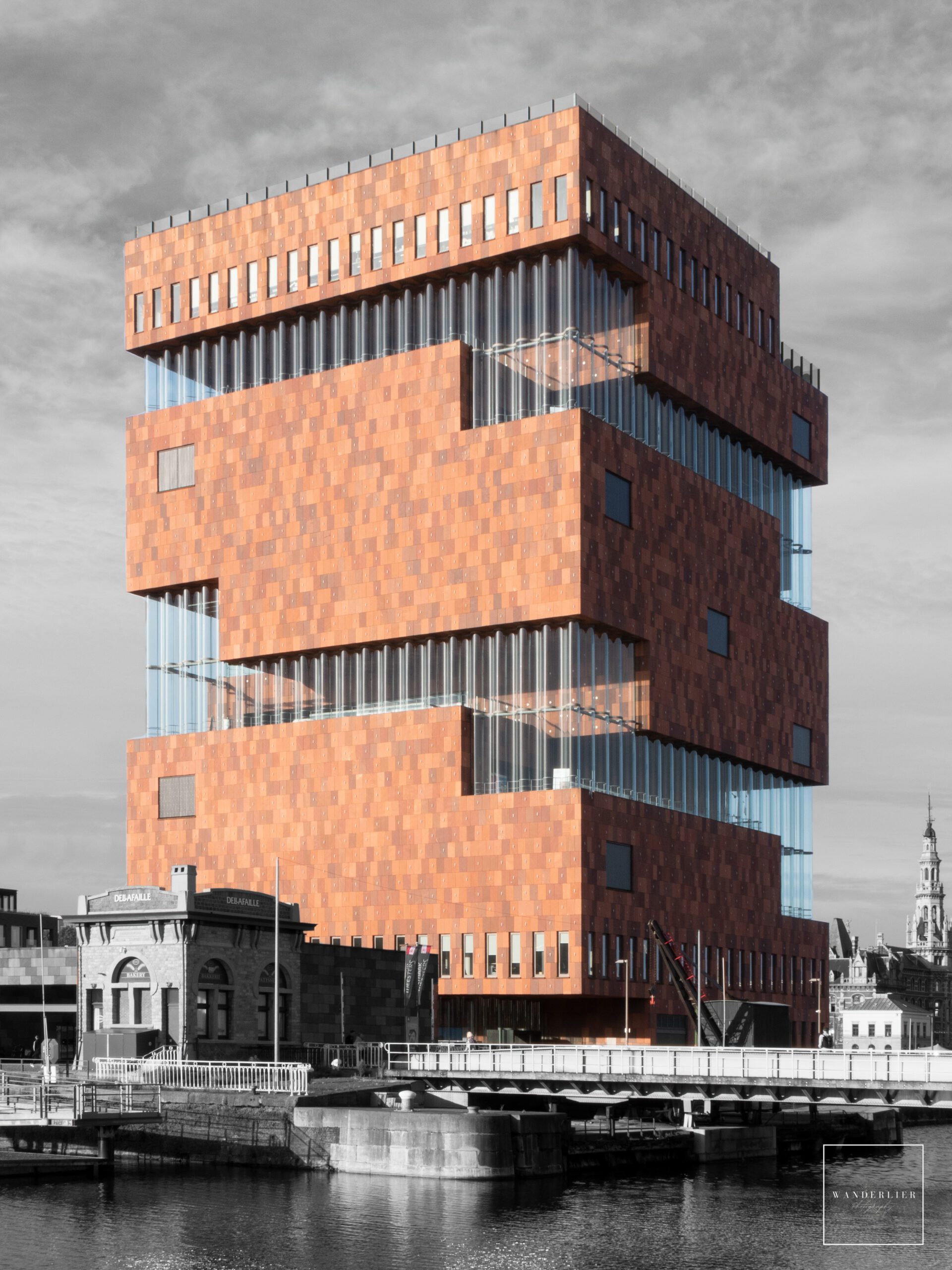
The Museum aan de Stroom, abbreviated as MAS, is a striking museum located at the Antwerp harbor, on the Eilandje district. The museum opened its doors in 2011 and has since played a prominent role in Antwerp’s cultural landscape.
The building itself is an architectural masterpiece. MAS was designed by the Dutch architectural firm Neutelings Riedijk, and it consists of a series of stacked volumes that appear to be built from separate blocks. The design symbolizes the diversity and variety of the collections inside.
The museum focuses on the city of Antwerp in all its facets, with an emphasis on maritime history, cultural diversity, trade, and the city’s role in the world. The collection includes over half a million objects, ranging from artworks to everyday items and historical artifacts.
MAS regularly hosts temporary exhibitions that highlight various aspects of the city, its history, and its global connections. This makes the museum dynamic and appealing to both locals and visitors.
One of the highlights of MAS is the panoramic rooftop terrace. Visitors can admire the city and harbor from this viewpoint, which offers stunning views over Antwerp and the surrounding area.
MAS strives to tell stories that reflect the diversity of the city. By highlighting various perspectives and experiences, the museum contributes to a deeper understanding of the city and its people.
De Grote Markt
The Grote Markt (or Grand Market Square) in Antwerp is a historic and vibrant square located in the heart of the city.
The Grote Markt has a rich history and has been Antwerp’s central marketplace since the 16th century. The square served as a meeting place for merchants, craftsmen, and local residents.
One of the most striking buildings on the Grote Markt is the impressive City Hall of Antwerp (Stadhuis van Antwerpen). This beautiful Renaissance-style building dates back to the 16th century and is a UNESCO World Heritage site. The facade of the City Hall is adorned with statues and ornaments representing historical and mythological figures.
In the center of the Grote Markt stands the Brabo Fountain, featuring a statue of the mythical hero Silvius Brabo and the giant Druon Antigoon. According to the legend, Brabo cut off the giant’s hand and threw it into the Scheldt River, which is said to explain the name “Antwerpen” (hand-throwing).
Around the Grote Markt are stunning guild houses, which are a testament to the wealth and craftsmanship of Antwerp during the Golden Age. These houses often have colorful facades and unique architectural details.
The Grote Markt also hosts many cozy cafés and restaurants where visitors can enjoy a bite to eat and a drink while taking in the historical surroundings.

Havenhuis
The Havenhuis (Port House) is a striking modern architectural building located in the Port of Antwerp, Belgium.
Designed by the renowned architectural firm Zaha Hadid Architects, the Havenhuis was completed in 2016. The building features a distinctive and futuristic appearance, blending historical and contemporary architecture.
The Havenhuis is built on top of an existing historic fire station from the 20th century. The new structure appears to grow out of the old building, symbolizing the evolution of the port and the city of Antwerp.
The Havenhuis has a remarkable diamond-shaped structure with a partially glass facade. The use of glass symbolizes transparency and openness, while the diamond shape references Antwerp’s historical significance as a center of the diamond trade.
The Havenhuis serves as the headquarters of the Port of Antwerp, which is responsible for managing and operating the port. It houses offices and meeting rooms for port officials.
The Havenhuis incorporates advanced technology to promote sustainability and energy efficiency. The building is designed with eco-friendly practices in mind, including automated shading systems to reduce excessive sun exposure.
In addition to its functional office spaces, the Havenhuis also offers public spaces such as an auditorium and meeting rooms.
