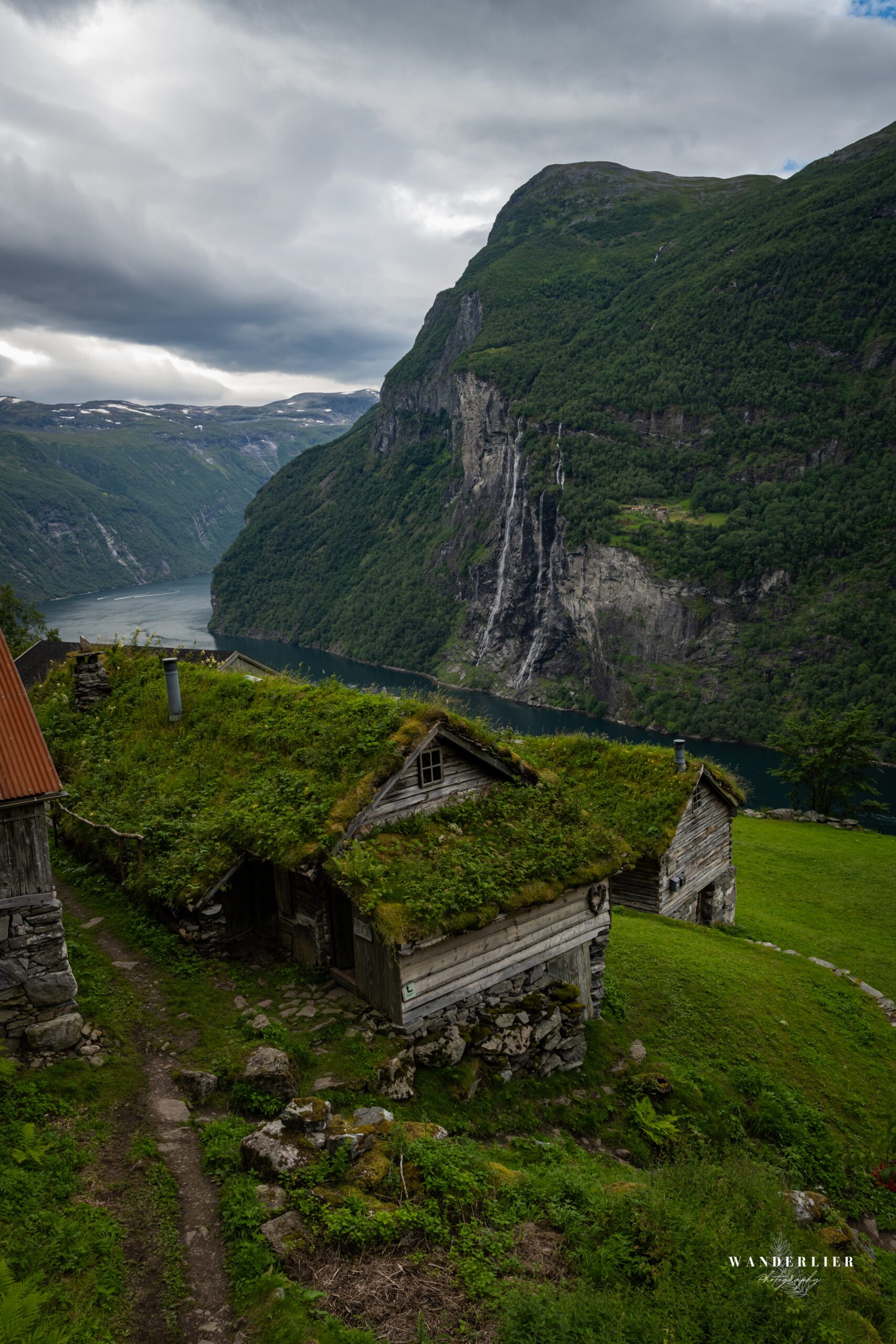

Møre og Romsdal
Møre og Romsdal, located in western Norway, is renowned for its striking landscapes and deep cultural heritage. This region offers a unique combination of dramatic fjords, towering mountains, and picturesque coastal areas. As a popular destination for both nature enthusiasts and history lovers, it never fails to captivate visitors.
One of the highlights of Møre og Romsdal is the iconic Geirangerfjord, a UNESCO World Heritage Site. Surrounded by steep cliffs and adorned with cascading waterfalls, it provides breathtaking views at every turn. Tourists often embark on fjord cruises to fully immerse themselves in the area’s natural beauty.
Significantly, the region is home to the Trollstigen mountain road, a masterpiece of engineering and a favorite among adventurers. The winding road, with its eleven sharp hairpin bends, offers panoramic views of rugged peaks and lush valleys. At the top, a viewing platform allows visitors to appreciate the scale of this awe-inspiring landscape.
Møre og Romsdal also boasts the charming coastal town of Ålesund, famous for its Art Nouveau architecture. Following a devastating fire in 1904, the town was rebuilt in this unique style, creating a visually stunning urban experience. Walking through Ålesund feels like stepping into a fairytale.
Outdoor enthusiasts will find endless opportunities for adventure in the Sunnmøre Alps, a mountain range known for its challenging hikes and excellent skiing conditions. In contrast, the coastal areas provide tranquil spots for kayaking and fishing.
Cultural experiences abound as well, particularly in the historic fishing village of Bud and the ancient stave church of Kvernes. These sites offer a glimpse into Norway’s maritime traditions and medieval past.
Throughout the year, Møre og Romsdal’s natural beauty and cultural richness leave a lasting impression. Whether you seek thrilling adventures or quiet reflection, this region has something for everyone.
Atlantic Ocean road
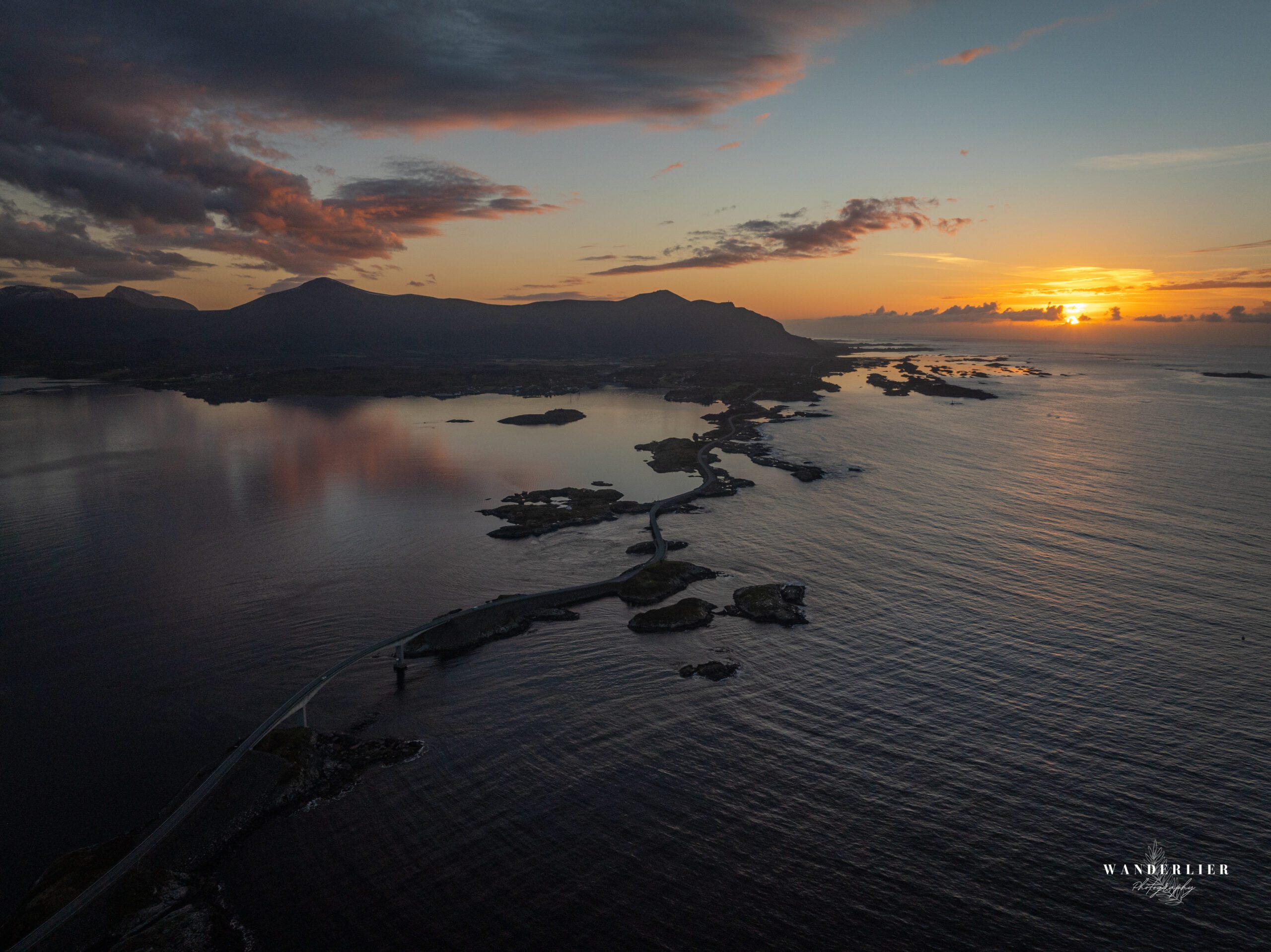
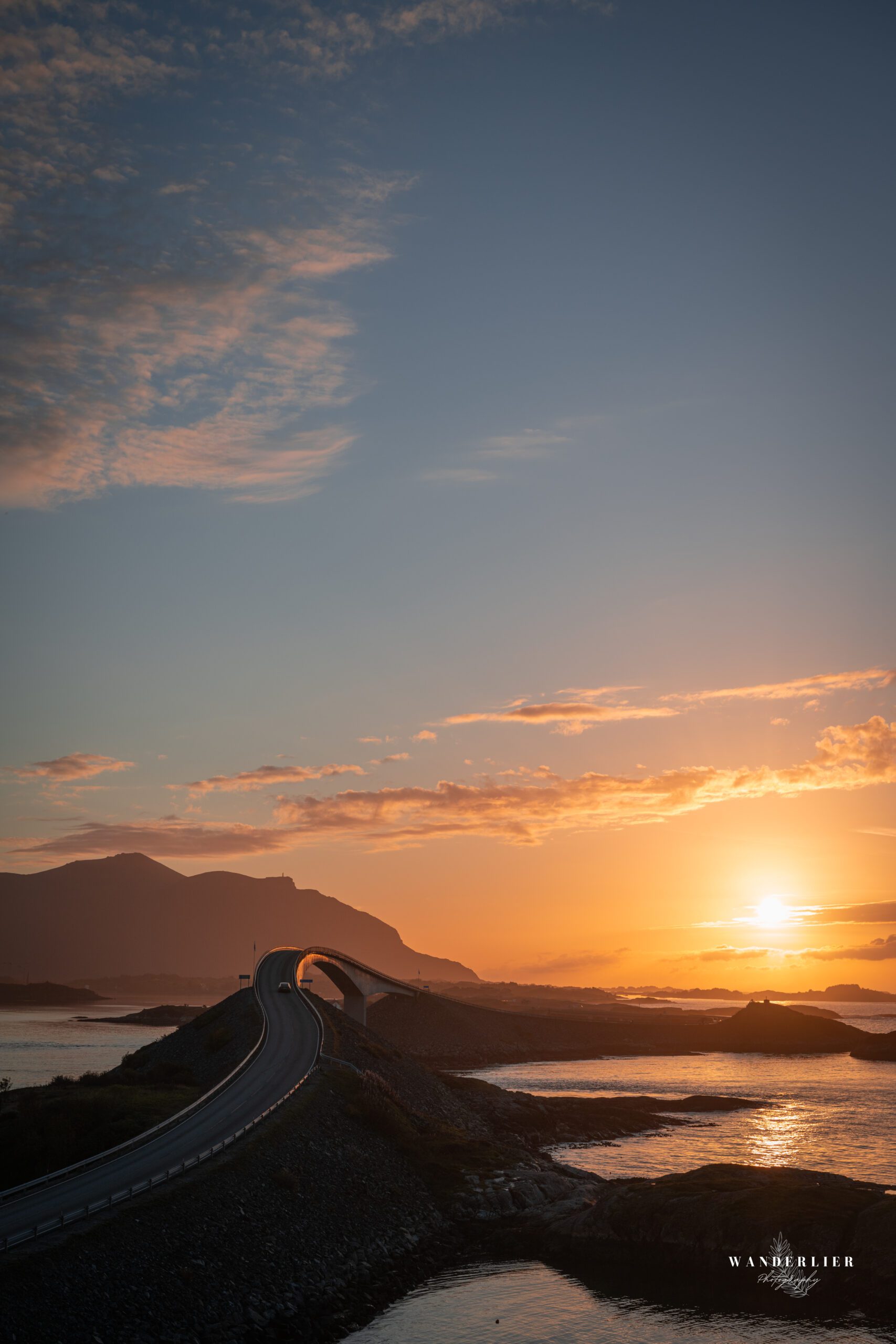
The Atlantic Ocean Road, known as “Atlanterhavsveien” in Norwegian, is one of the most scenic drives in the world. Located along Norway’s western coastline, this remarkable road stretches for 8.3 kilometers, connecting the islands of Averøy and the mainland. It is renowned for its stunning views, unique architecture, and exposure to the raw power of the Atlantic Ocean.
The road was completed in 1989 and has since become a popular tourist attraction. It is often hailed as an engineering marvel, as it is built across a series of bridges that span small islands and skerries. These bridges curve and twist, seemingly defying the natural landscape, which enhances the dramatic feel of the journey.
As you drive along the Atlantic Ocean Road, the views are truly spectacular. On one side, the vast ocean stretches out, with waves crashing against the rocky shores. On the other, the rugged landscape of Norway’s coast unfolds, with mountains rising in the distance. The combination of these elements creates a breathtaking experience.
What makes the Atlantic Ocean Road even more special is its ever-changing nature. The weather can shift rapidly, creating a dynamic atmosphere. On clear days, the sun casts golden light over the sea, while on stormy days, the powerful waves add a sense of drama. This variability makes each visit to the road unique.
Along the route, there are several viewpoints where visitors can stop and take in the surroundings. Some of these viewpoints are equipped with modern facilities and information signs, making it easier to appreciate the area’s history and natural beauty. Additionally, the road is part of the National Tourist Route, highlighting its significance as a national treasure.
Runde
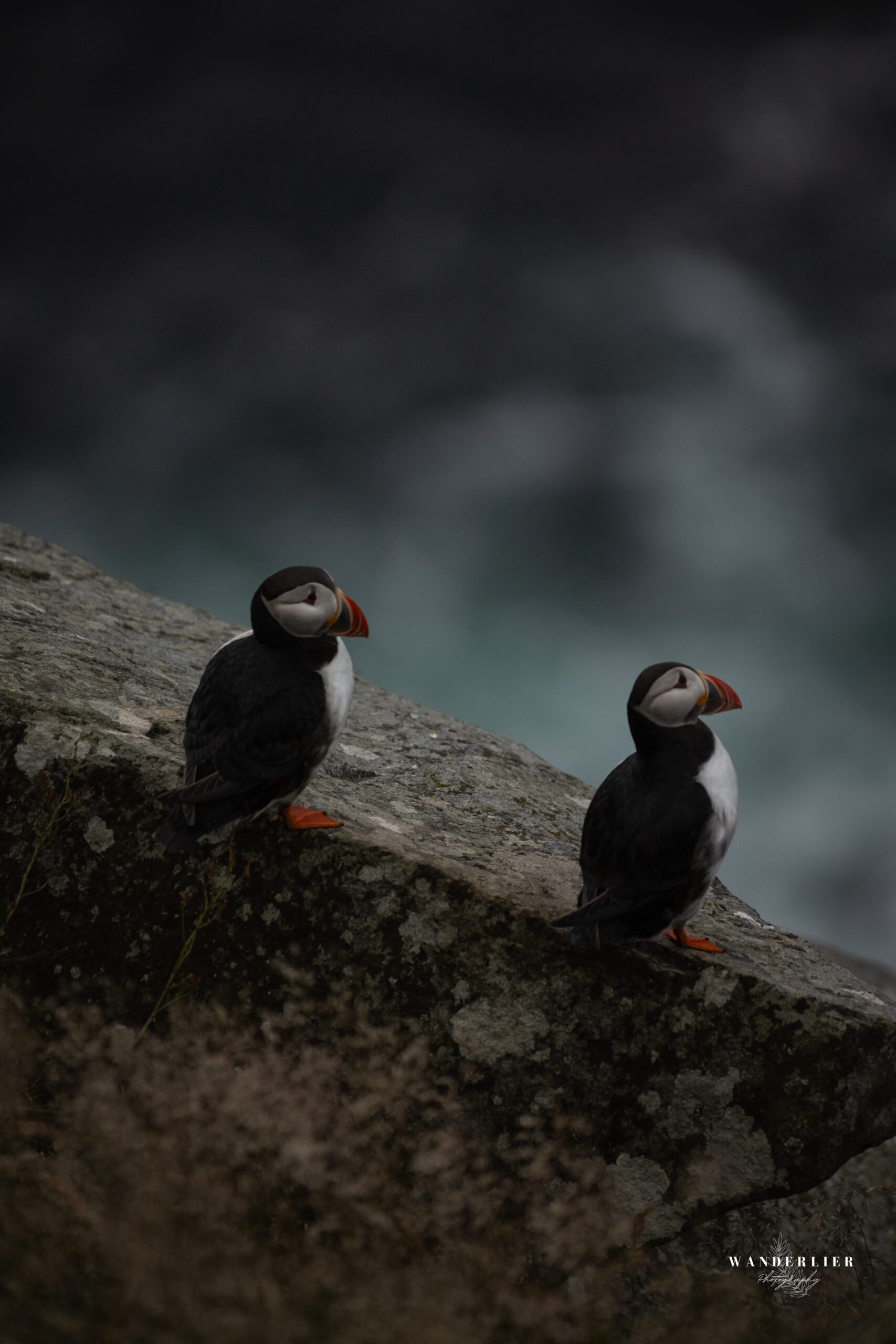
Runde is a small island located off the coast of western Norway, famous for its stunning natural beauty and rich wildlife. This island, part of the municipality of Herøy in Møre og Romsdal, is particularly renowned for its large seabird population, especially puffins. Runde’s dramatic cliffs and rugged landscapes make it an ideal habitat for these charming birds.
Each year, thousands of puffins come to Runde to breed during the summer months. The puffin colonies here are among the largest in Norway, drawing birdwatchers and nature enthusiasts from around the world. The birds nest in the steep cliffs, making it a prime location for puffin watching. Visitors often gather at designated viewpoints to observe these charismatic birds as they dive into the sea for fish or return to their nests with food for their young.
In addition to puffins, Runde is home to a wide variety of seabirds, including guillemots, kittiwakes, and razorbills. The island is part of a protected nature reserve, ensuring the preservation of its diverse wildlife. The steep cliffs, rich in birdlife, are a breathtaking sight, particularly in the summer when the island is alive with activity.
Reaching Runde is an adventure in itself. The island is connected to the mainland by a small ferry, offering a scenic journey across the fjords. Once on the island, visitors can explore its beautiful hiking trails, where they can enjoy panoramic views of the ocean, nearby islands, and, of course, the bird cliffs. For those interested in history, Runde also has an old lighthouse, which adds to the island’s charm.

Geiranger
Geiranger is a small village located in the western part of Norway, nestled along the stunning Geirangerfjord. This picturesque fjord is often considered one of the most beautiful in the world. Geiranger itself, with its charming wooden houses and scenic surroundings, offers a perfect base for exploring the fjord and its natural wonders.
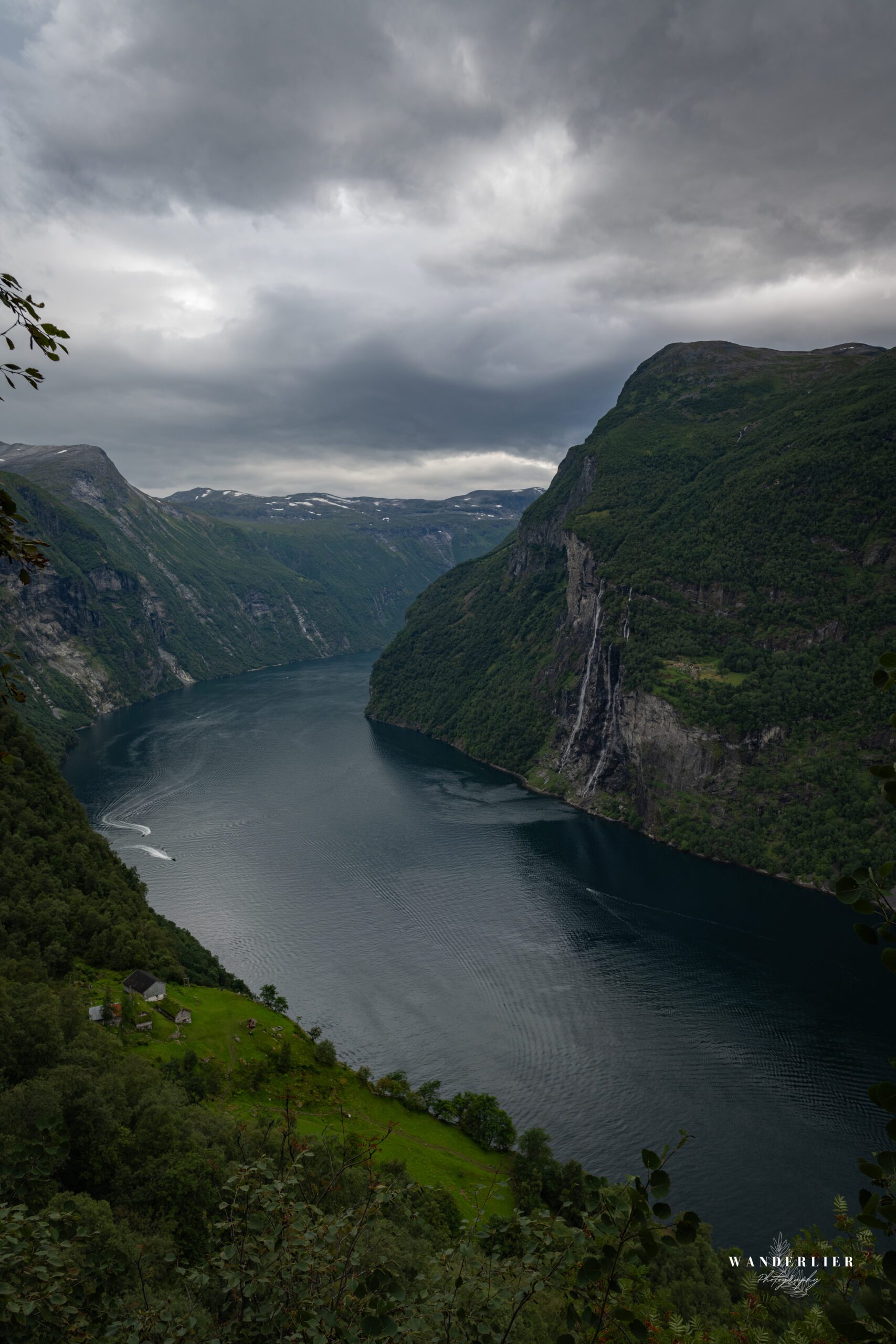
The Geirangerfjord, a UNESCO World Heritage site, stretches for about 15 kilometers and is renowned for its dramatic landscapes. The fjord is surrounded by towering cliffs, lush green valleys, and cascading waterfalls, creating a breathtaking view. The most famous waterfalls in the area are the Seven Sisters, a group of seven waterfalls that tumble down the cliffs into the fjord below. These waterfalls, with their delicate, veiling appearance, add to the ethereal beauty of the landscape.
A popular way to experience Geirangerfjord is by taking a boat tour. The boat rides offer an up-close view of the towering cliffs and waterfalls, with a chance to spot local wildlife like seabirds and seals. Additionally, many hiking trails around Geiranger offer panoramic views of the fjord. Hiking up to places like Dalsnibba provides a bird’s eye view of the fjord, making it a memorable experience for outdoor enthusiasts and photographers alike.
Geiranger is also home to several cultural and historical landmarks. One of the highlights is the old farmsteads that once dotted the fjord’s steep slopes. Visitors can learn about the history of these farms and how people lived in such a challenging environment.
Furthermore, Geiranger is easily accessible by road, and it is a popular stop for cruise ships. Many visitors arrive by ship, enjoying the spectacular scenery from the water before exploring the village and its surroundings. Geiranger and the Geirangerfjord are a must-see for anyone visiting Norway, offering an unforgettable combination of natural beauty, outdoor activities, and Norwegian culture.
Skågefla hike
The Skågefla hike in Geiranger is one of the most scenic trails in Norway, offering stunning views of the surrounding landscapes. This moderate hike takes you up to a high vantage point, providing panoramic views of Geirangerfjord and the village below. The trail starts at a lower elevation, gradually ascending through forests and lush green terrain. As you climb higher, the scenery becomes more dramatic, with steep cliffs and rugged mountains surrounding you.
The Skågefla hike is known for its breathtaking vistas, making it a popular choice for hikers and nature lovers. Along the way, hikers can enjoy the sights of cascading waterfalls and the deep blue waters of the fjord. The diverse flora and fauna add to the charm, with wildflowers blooming in the summer months and various bird species soaring overhead. The trail also passes through a series of small streams and rocky paths, making it an interesting challenge for those who enjoy outdoor adventures.
One of the highlights of the Skågefla hike is the viewpoint at the top. From here, you can look down at the Geirangerfjord, a UNESCO World Heritage site, and see the surrounding mountains and waterfalls in their full splendor. The view from Skågefla is often considered one of the most beautiful in the region, offering an unforgettable experience for hikers.
The trail is approximately 5 kilometers long and takes around 3 to 4 hours to complete, depending on your pace. It is suitable for hikers with some experience, though the path can be steep in parts. For those who prefer a more relaxed hike, the route can be completed at a leisurely pace, allowing for plenty of time to stop and take in the views.