
Los Angeles

Los Angeles, the City of Angels, is known as the epicenter of the entertainment industry and is a bustling metropolis that offers the perfect blend of glamour, culture, and natural beauty. As the second-largest city in the United States, Los Angeles is not only a global hub for film and television but also a diverse and dynamic destination with much to offer both residents and visitors.

The famous neighborhoods of LA, including Hollywood, Beverly Hills, and Santa Monica, embody the glitz and glamour of the film industry. Hollywood, with its famous Walk of Fame and iconic Hollywood Sign, breathes the history and magic of the movie world. Beverly Hills, with its chic boutiques and lavish estates, radiates luxury and exclusivity. Santa Monica, with its expansive beach and lively pier, represents the laid-back and sunny lifestyle that defines Southern California.

In addition to entertainment, Los Angeles also offers a rich cultural experience. The Getty Center, the Los Angeles County Museum of Art (LACMA), and the Walt Disney Concert Hall are just a few of the many artistic treasures the city holds. The diverse culinary scene reflects the melting pot of cultures, with dining options ranging from street food to Michelin-starred restaurants.

Nature lovers will find their refuge in the breathtaking landscapes surrounding LA. From the iconic beaches of Malibu to the expansive Griffith Park and the majestic San Gabriel Mountains, the city offers an unparalleled mix of urban and natural delights.

Whether you’re looking to experience film history, spot stars on the streets of Hollywood, or simply enjoy the relaxed coastal vibe, Los Angeles is a city that constantly evolves and always has something new to discover. Be enchanted by the versatility and unique charm of Los Angeles, where dreams come true and every corner promises a new adventure.
Hollywood walk of fame

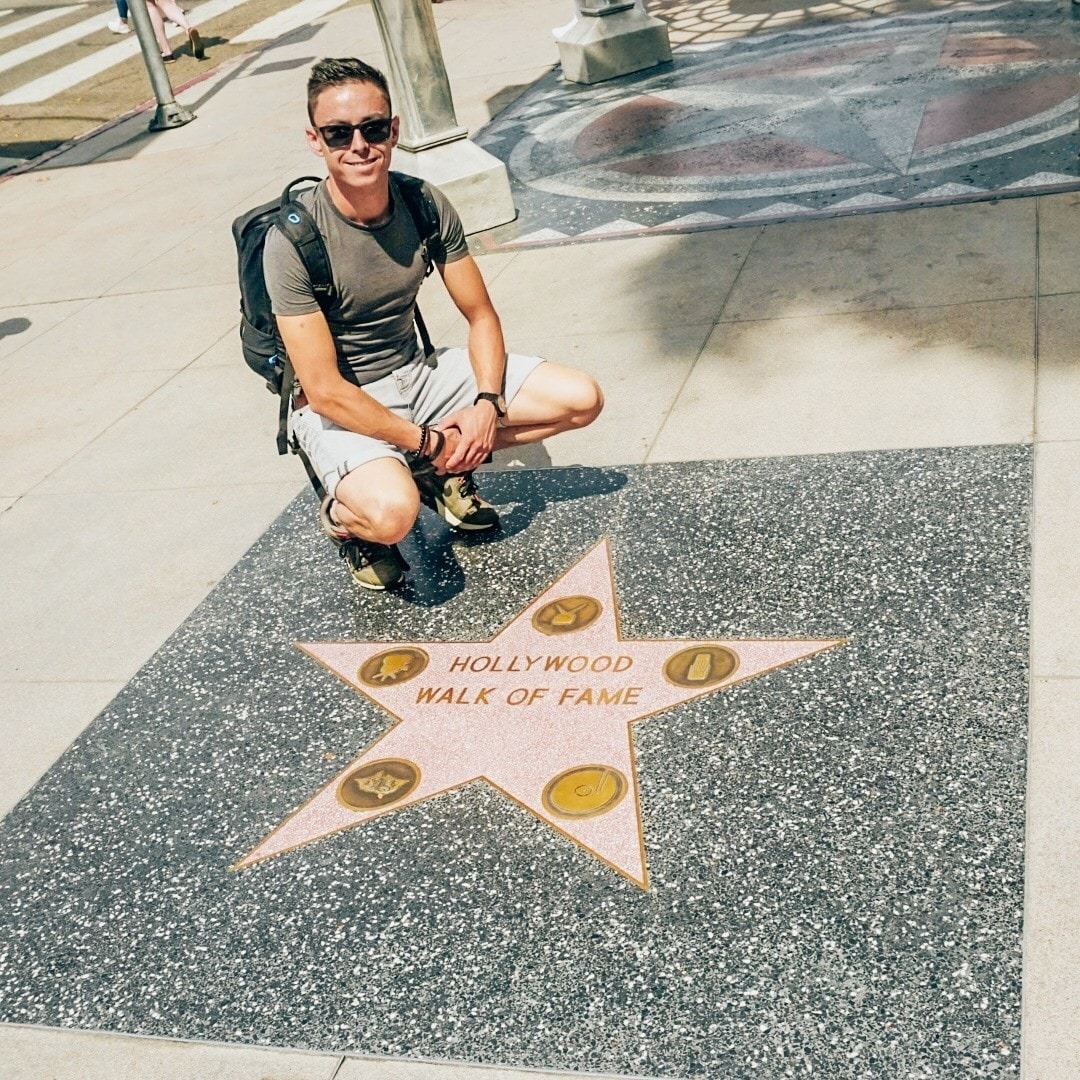
The Hollywood Walk of Fame is a world-famous landmark in Hollywood, Los Angeles, California. It is a sidewalk that runs along Hollywood Boulevard and Vine Street, adorned with more than 2,600 five-pointed stars honoring the achievements and contributions of celebrities in the entertainment industry. Here are some interesting facts and details about the Hollywood Walk of Fame:

The Hollywood Walk of Fame was established in 1958 as a tribute to notable individuals in the entertainment world, including film, television, music, and theater celebrities.

The stars on the Walk of Fame are divided into five different categories: Film, Television, Music, Radio, and Theater. Each star represents a specific celebrity in one of these categories.

To receive a star on the Hollywood Walk of Fame, a celebrity or their representatives must submit an application and pay a fee. The application is reviewed by the Hollywood Chamber of Commerce, and there are specific criteria, such as proven accomplishments and a minimum career length, that must be met.

The unveiling of a new star on the Walk of Fame is a grand ceremony attended by fans and colleagues of the honored person. It is often a festive event with red carpets and speeches from celebrities.

The Walk of Fame honors celebrities from all over the world and includes stars from various backgrounds, nationalities, and cultures. It reflects the global influence of the entertainment industry.

The Hollywood Walk of Fame is a popular tourist attraction, drawing millions of visitors annually from around the world. People come to take photos with the stars of their favorite celebrities and to explore the rich history of the entertainment industry.

The Hollywood Chamber of Commerce is responsible for maintaining and repairing the stars on the Walk of Fame. Stars that have been damaged by wear, weather, or vandalism are restored and reinstated.

The Hollywood Walk of Fame is a symbolic tribute to the many talents who have contributed to the glamour and shine of the entertainment world. It is not only a cultural icon but also a place of admiration for fans and a reminder of the indelible impact the entertainment industry has on our society.

Griffith Observatory

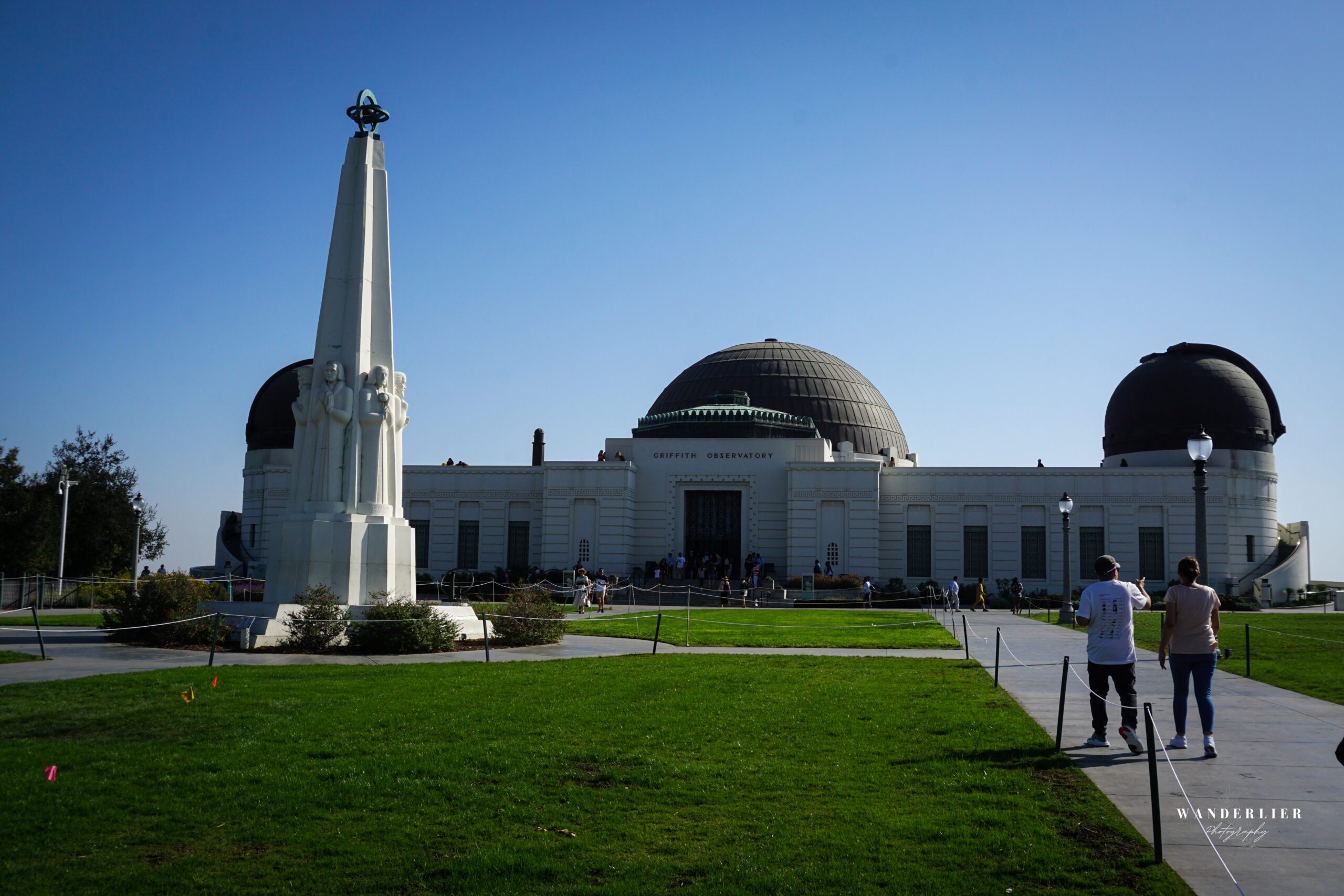
The Griffith Observatory is a famous observatory and planetarium located on Mount Hollywood in Griffith Park, Los Angeles, California. The observatory has a rich history and offers visitors the chance to explore the night sky, study astronomy, and enjoy breathtaking views of Los Angeles. Here are some interesting details and features of the Griffith Observatory:

The Griffith Observatory opened its doors in 1935 and is named after Griffith J. Griffith, a philanthropist and founder of the observatory. His vision was to make science and astronomy accessible to the general public.

The observatory is strategically located on Mount Hollywood, providing an elevated position with a panoramic view of the city of Los Angeles. It is one of the best places to admire the city skyline and enjoy the view both during the day and at night.

The Griffith Observatory houses several historical and modern telescopes. One of the most notable is the Zeiss refractor telescope, which is still used for public observations. Visitors can look through the telescope and observe the moon, planets, and other astronomical objects.

The observatory features an advanced planetarium where regular shows are held. These shows provide education and entertainment, taking visitors on a journey through the universe, introducing them to planets, stars, and galaxies.

The Griffith Observatory has permanent and rotating exhibits that highlight various aspects of astronomy and space exploration. Visitors can learn about the sun, moon, planets, and cosmic phenomena.

The observatory regularly hosts public events, such as solar viewing days, moon observations, and telescope nights where the public can view stars and planets.

The Griffith Observatory has a strong focus on education and offers educational programs for schools and groups. It has also contributed to numerous scientific discoveries.

A notable feature of the Griffith Observatory is that the main attractions and exhibits are free and open to the public. There may be charges for specific planetarium shows.

Hollywood sign

The Hollywood Sign is one of the most recognizable and iconic landmarks in the world, located in the Santa Monica Mountains in Los Angeles, California. The sign is an important symbol of the American entertainment industry and Hollywood, which is globally known as the center of film and television production. Here are some interesting details about the Hollywood Sign:

The Hollywood Sign was originally established in 1923 as a temporary promotion for a real estate development in the Hollywood Hills area. At that time, it read “Hollywoodland” and served as an advertisement for homes. It was never intended to be a permanent fixture.

Over the years, the sign underwent several changes. In 1949, the “land” part was removed, leaving only “Hollywood.” It was then restored and preserved as a symbol of the city and the entertainment industry.

The Hollywood Sign is approximately 15 meters tall and 137 meters wide. It sits atop a mountain peak and is visible from many parts of Los Angeles.

The sign itself is not accessible to the public and is protected by security measures and fences to prevent vandalism and damage. However, there are several lookout points and trails nearby where visitors can view the sign from a distance and take photos.

The Hollywood Sign is the most iconic symbol of the American entertainment industry. It is often associated with the glamour of Hollywood films, celebrities, and the dream of success in the entertainment world.

Over the years, the sign has played a prominent role in numerous films, TV shows, and other forms of popular culture. It is frequently used as a backdrop in Hollywood films and documentaries.

The sign has undergone several restorations to keep it in good condition. The most recent major restoration occurred in 2012, during which the sign was repainted and repaired.

The Hollywood Sign has a strong connection to the local community and is managed by the city of Los Angeles. Various organizations and community groups are involved in preserving and protecting the sign.