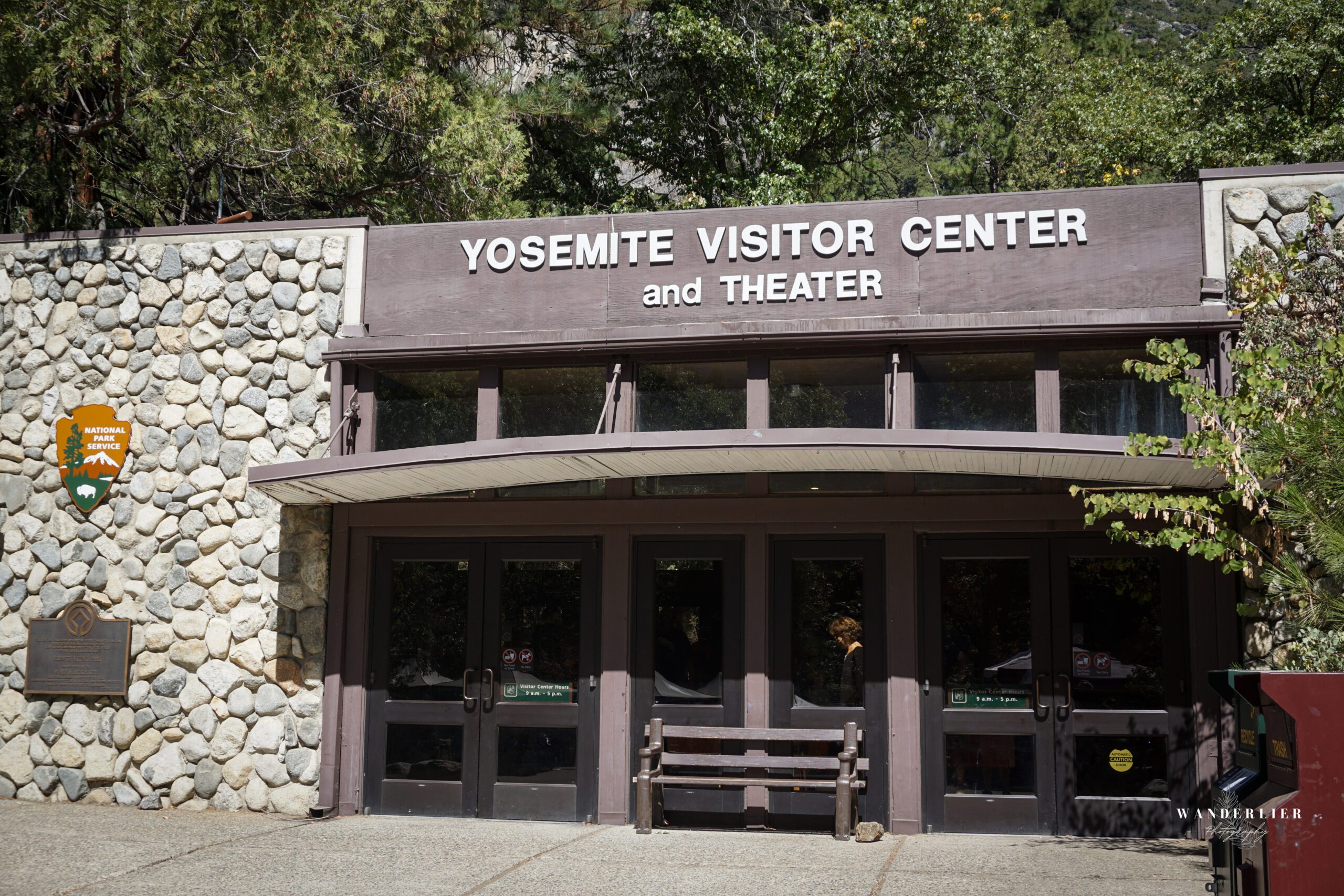

Yosemite National Park
Yosemite National Park, located in the heart of the Sierra Nevada in California, is a breathtaking piece of nature that enchants visitors with its majestic granite cliffs, stunning waterfalls, and lush forests. Established in 1890, this park spans over 3,000 square kilometers of diverse terrain, ranging from alpine heights to valleys filled with sequoia trees.
One of the most iconic features of Yosemite is El Capitan, a towering granite monolith that rises high above Yosemite Valley. Climbers from around the world are drawn to the challenge of conquering the steep rocks of El Capitan. Additionally, Half Dome is another prominent formation that dominates the park, known for its distinctive half-dome shape.
Yosemite also hosts some of the tallest waterfalls in North America, including Yosemite Falls, which at 739 meters, is a spectacular sight. In the spring, when the snow melts, the waterfalls reach their peak strength, creating a thunderous, yet beautiful, sound.
The park is not only a haven for adventurers but also for nature lovers. Its biodiversity is remarkable, with an abundance of plant and animal species. From black bears to mule deer, the wildlife thrives in diverse habitats, ranging from alpine meadows to dense forests.
Hiking trails traverse the park, offering visitors the opportunity to experience Yosemite’s breathtaking beauty. Whether you opt for a leisurely stroll in the valley or a challenging ascent of Half Dome, the natural grandeur of the park is sure to amaze.
Yosemite National Park is not only a symbol of pristine wilderness but also a place that inspires conservation and respect for nature. Over the years, efforts to preserve this stunning area have ensured that future generations will continue to experience the overwhelming beauty that Yosemite has to offer.
Tunnel view
Tunnel View is one of the most iconic and breathtaking viewpoints in Yosemite National Park, offering a panoramic view that deeply resonates with many visitors. This picturesque viewpoint is located on the east side of the Wawona Tunnel along California State Route 41, and it suddenly opens up to visitors emerging from the tunnel, greeting them with a stunning landscape that features some of the most recognizable landmarks of Yosemite.
From Tunnel View, visitors can enjoy an impressive view of some of the park’s most iconic formations. El Capitan, the granite monolith known for its challenging climbing routes, rises majestically to the left. In the center, Half Dome dominates the scene with its distinctive half-dome shape, inviting admiration.
What makes this location so special is the harmonious composition of the natural elements that unfold before the viewer. The depth of Yosemite Valley, surrounded by granite cliffs and with the Merced River flowing through the valley, adds to the visual spectacle. Especially at sunrise and sunset, Tunnel View is transformed into a magical display, with the sun illuminating the rocks in warm hues and the sky painted with rich, vibrant colors.
Photographers and nature lovers flock to Tunnel View to capture the overwhelming beauty of Yosemite in a single shot. It’s not just a place for spectacular photos, but also a space for reflection and admiration of the grandeur of Mother Nature. Tunnel View embodies the timeless allure of Yosemite National Park, remaining an unforgettable experience for all who visit this breathtaking spot.

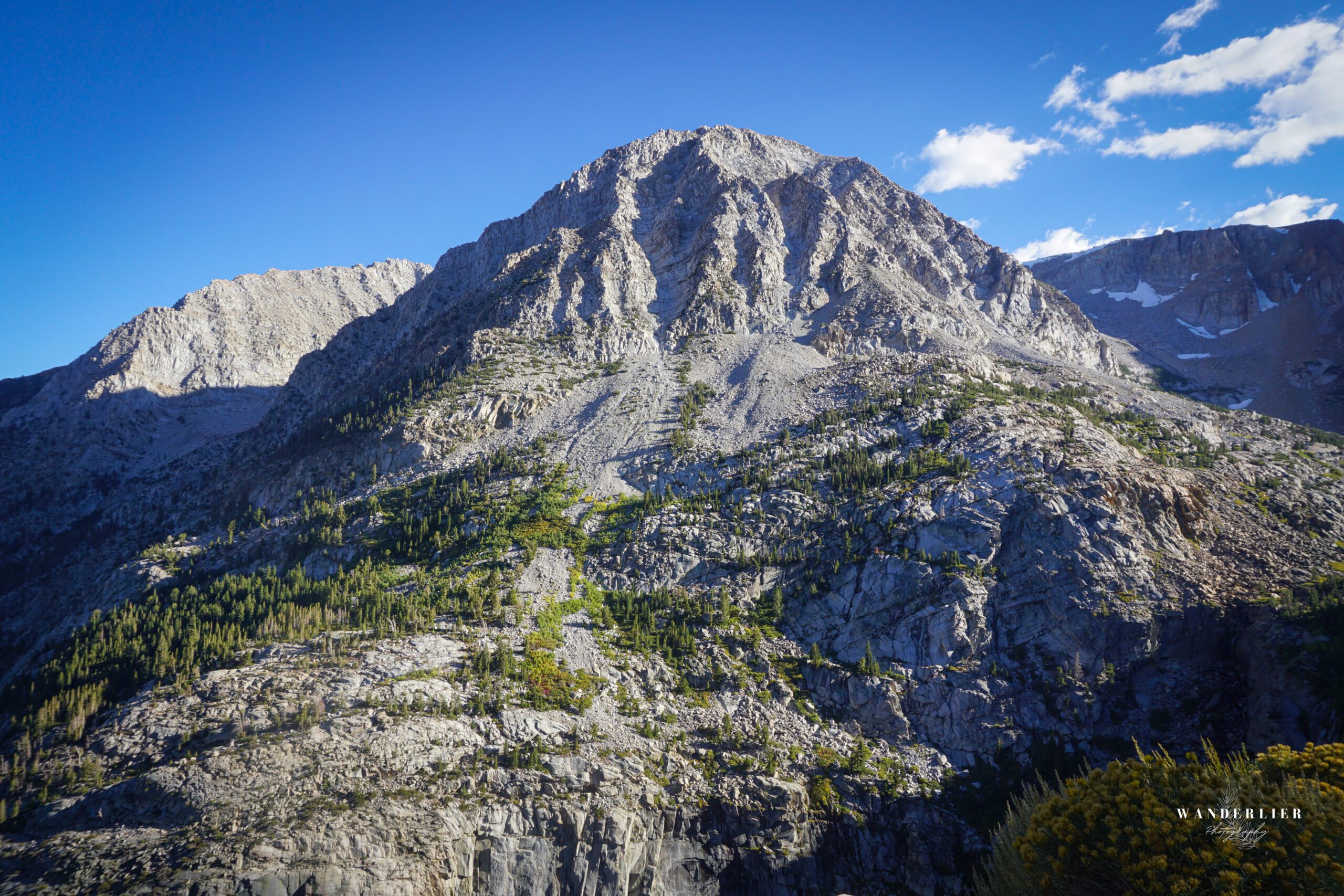
Tioga road
Tioga Road is a scenic and breathtaking route that runs through the heart of Yosemite National Park in California. Also known as Tioga Pass Road, this road stretches for about 64 kilometers across the park, offering travelers an unforgettable journey through a diverse landscape of high mountains, alpine meadows, crystal-clear lakes, and dense forests.
One of the standout features of Tioga Road is Tioga Pass, located at an elevation of approximately 3,031 meters, making it one of the highest mountain passes in California. The stunning views from this pass are truly impressive, with granite peaks, snow-capped summits, and expansive valleys stretching out before the traveler’s eyes.
During the warmer season, typically from late May to late October, Tioga Road is open to traffic, giving visitors the opportunity to experience the natural beauty of Yosemite in a unique way. Along the way, the road passes several of the park’s most notable sights, including Tenaya Lake, a picturesque mountain lake surrounded by granite cliffs and alpine meadows.
Tioga Road also provides access to various hiking trails and adventurous opportunities. Popular hikes along the road include the Gaylor Lakes Trail and the May Lake Trail, which allow hikers to explore Yosemite’s pristine wilderness.
The variation in elevation along Tioga Road creates a remarkable biodiversity, ranging from alpine flora to mountain wildlife. It’s also an excellent location for birdwatching and nature photography.
Tioga Road is not just a route through Yosemite; it’s a destination in itself. It’s a journey that engages the senses, offering visitors a chance to experience the majestic beauty of this national park in all its glory.
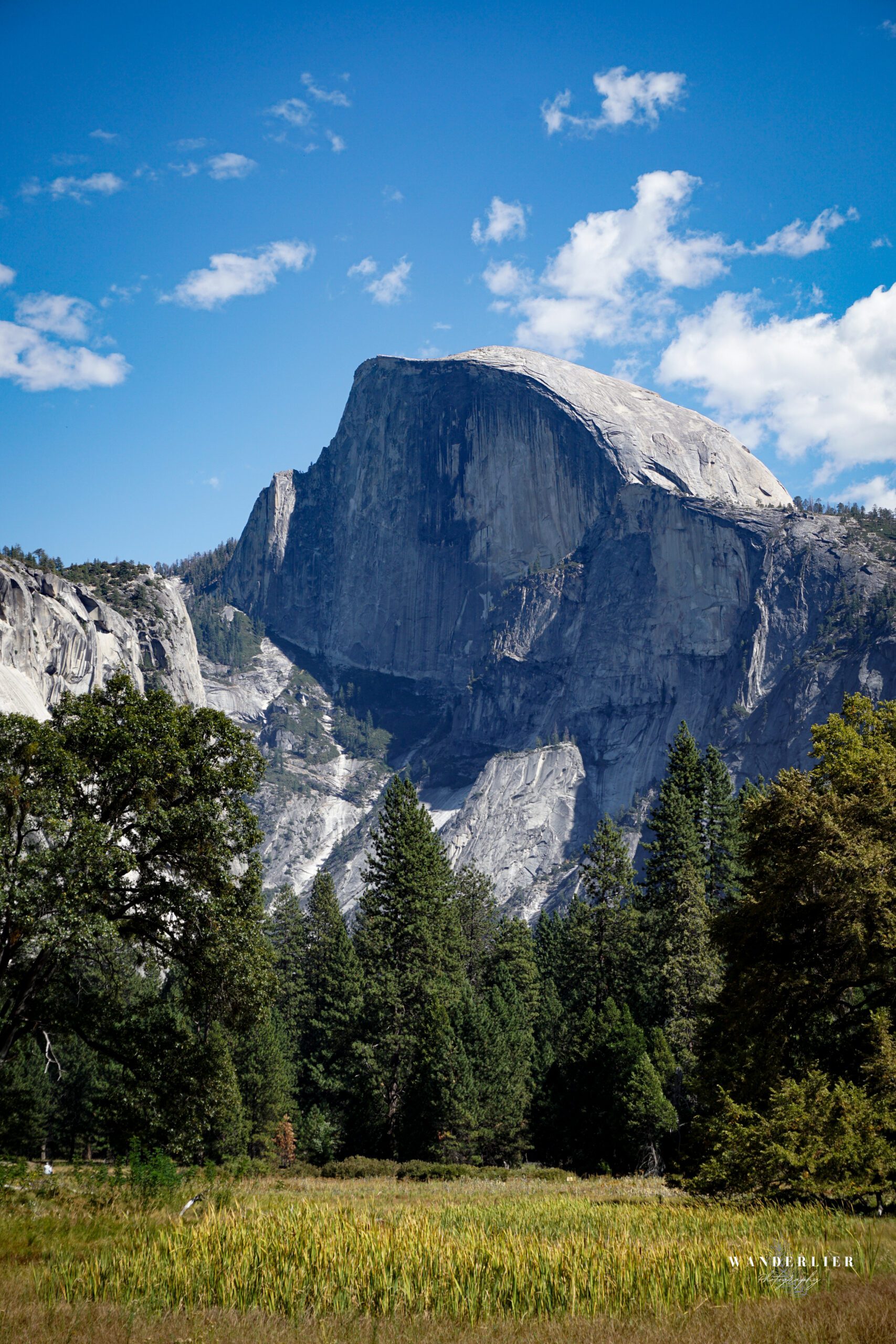
Halfdome
Half Dome is arguably one of the most iconic and recognizable features of Yosemite National Park in California, USA. This granite dome, which rises about 1,444 meters above Yosemite Valley, is not only a natural wonder but also a challenging climbing destination and a symbol of adventure.
The most striking feature of Half Dome is its distinctive shape, resembling a half-dome that rises from the earth. This impressive formation is the result of millions of years of geological processes, including glacial erosion, which shaped the granite rock into its current form.
One of the most exciting aspects of Half Dome is the opportunity to reach its summit. Climbing Half Dome is a demanding and adventurous undertaking, with a steep ascent known as the “cable route.” Climbers use metal cables to ascend the final hundreds of meters to the top. The climb requires physical strength, endurance, and a permit, as there are restrictions to regulate the number of climbers and ensure safety.
For those who reach the summit, they are rewarded with an unparalleled panoramic view of Yosemite Valley and the surrounding Sierra Nevada mountain range. The view from the top of Half Dome is breathtaking and offers an unforgettable experience for those who take on the challenge.
Half Dome is not only an adventurous destination but also an important symbol of conservation and environmental awareness. The management of the climbing routes and the restrictions on the number of visitors contribute to preserving this remarkable place, ensuring that future generations can also enjoy the majestic beauty of Half Dome and the surrounding splendor of Yosemite National Park.
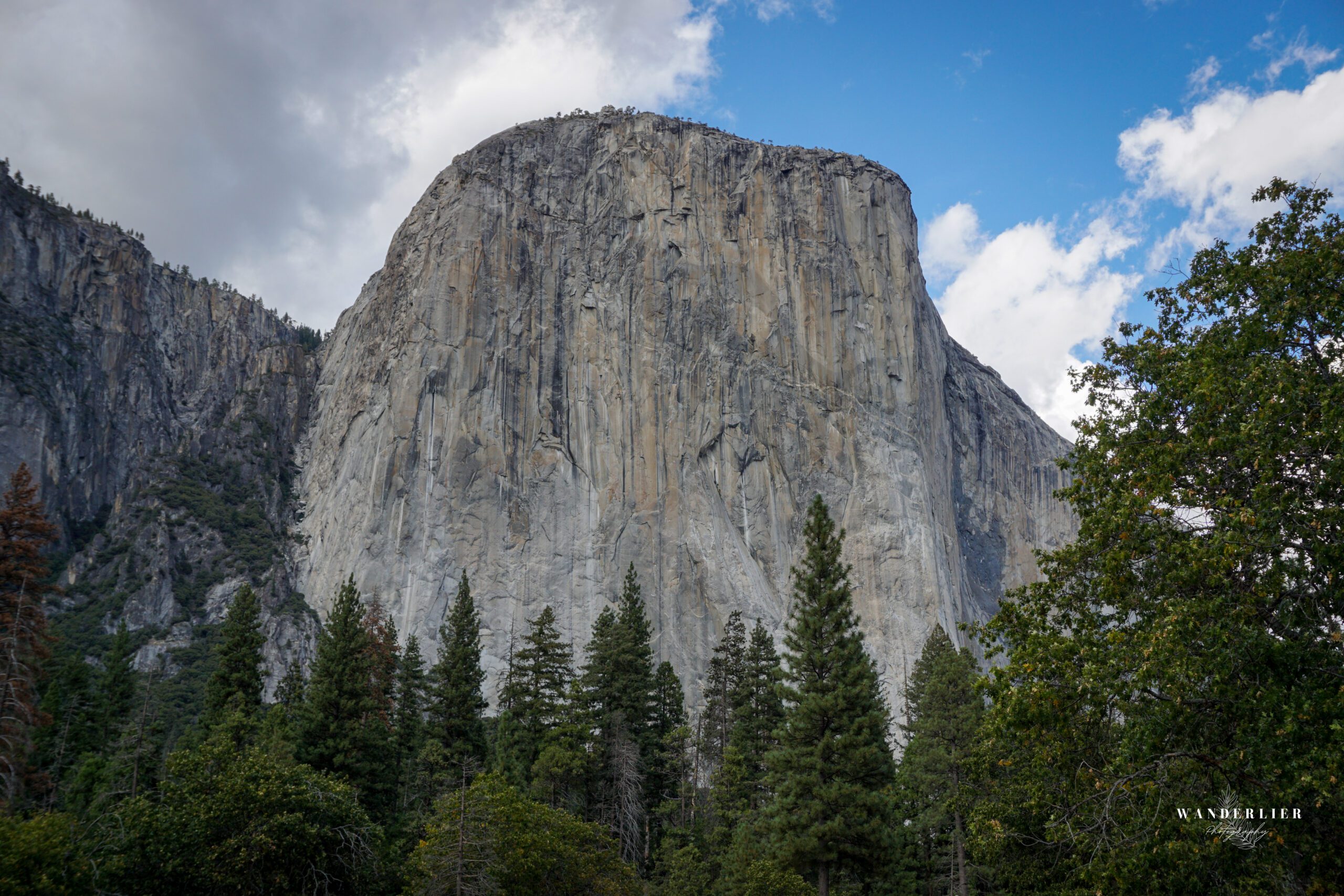
El Capitan
El Capitan, one of the most impressive granite monoliths in the world, rises majestically in the heart of Yosemite National Park, California. With its imposing height of about 910 meters and its distinctive vertical face, El Capitan has become an iconic symbol of both the park and the climbing community.
The geological history of El Capitan stretches back millions of years, with granite formations exposed to erosion from glaciers and other natural forces. What remains is this massive monolith, standing as a giant sentinel overlooking Yosemite Valley.
What makes El Capitan even more remarkable is the challenge it offers to rock climbers from around the globe. The steep and smooth granite face of El Capitan is one of the most demanding climbs in the world. Climbers use various routes to reach the summit, including the famous “Nose” and the “Dawn Wall.” Climbing El Capitan requires not only physical strength and endurance but also technical skills and courage.
For onlookers, El Capitan presents a spectacular display of human determination and the power of nature. It is not uncommon to see climbers dangling along the face as they make their way to the top. Yosemite Valley, with El Capitan on one side and Half Dome on the other, forms one of the most breathtaking views in the park.
Beyond its significance for climbers and visitors, El Capitan also stands as an important symbol of nature conservation. Yosemite National Park has made efforts to preserve the natural state of El Capitan and its surrounding environment, ensuring that future generations can continue to enjoy this awe-inspiring and inspiring place. El Capitan remains an extraordinary example of the grandeur of Mother Nature and humanity’s determination to push the boundaries of the possible.
Yosemite falls
Yosemite Falls, located in the heart of Yosemite National Park in California, is one of the most stunning waterfalls in North America and an iconic feature of the park. This majestic waterfall cascades from the edge of Yosemite Valley in three distinct sections, reaching a total drop of approximately 739 meters. Not only is it the tallest waterfall in Yosemite, but it is also one of the tallest waterfalls on the continent.
The falls are divided into three sections: Upper Yosemite Fall (the highest), the Middle Cascades, and Lower Yosemite Fall. In the spring, when the snow melts and water flow is at its peak, Yosemite Falls reaches its maximum power, creating a breathtaking spectacle of rushing water. The roaring sound and mist that sprays into the air create an unforgettable experience for visitors who view the waterfall up close or from various viewpoints.
One of the best ways to experience Yosemite Falls is by taking advantage of the several hiking trails that lead to the waterfall. The Lower Yosemite Fall Trail is a short, easy walk that takes visitors close to the base of the falls, allowing them to feel the power and majesty of the cascading water. For more adventurous hikers, there are also trails that lead to the top of the falls, such as the Upper Yosemite Fall Trail, although these are more challenging due to steep inclines.
Yosemite Falls plays an important role in the history and culture of Yosemite and has become a symbol of the untouched natural beauty that defines the park. The waterfall offers not only a visual spectacle but also a sense of awe and reverence for the natural forces that shape the Yosemite landscape. It is a must-see destination for visitors to this magnificent national park.
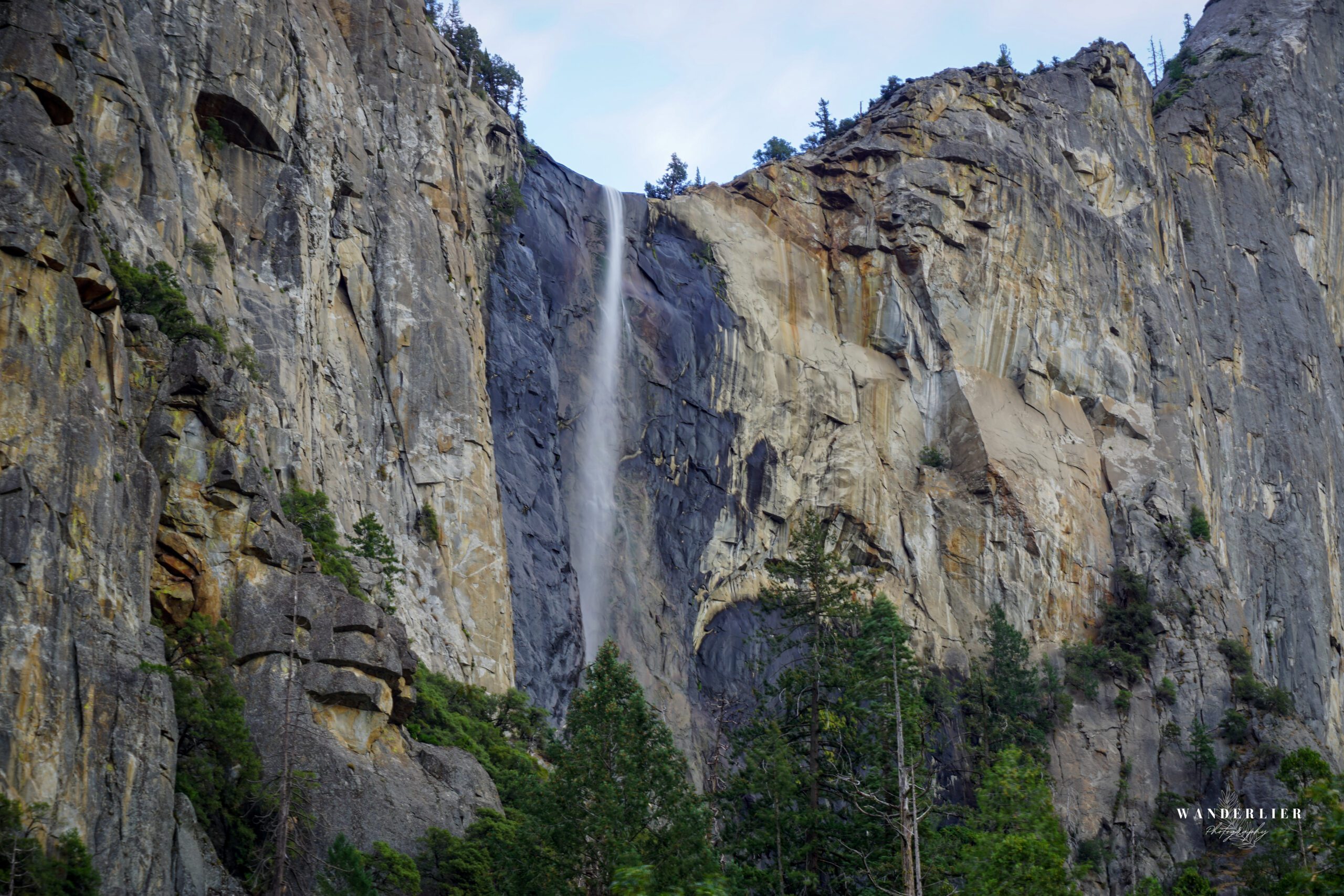
Yosemite falls
The Yosemite National Park Visitor Center serves as the central hub for visitors looking to explore this remarkable park. The center offers a wealth of information, educational displays, and services to help visitors make the most of their Yosemite experience.
As a key resource, the Visitor Center provides comprehensive information about the park, including maps, hiking trails, camping options, and up-to-date weather conditions. Friendly staff members are available to answer questions and assist with orientation, ensuring that visitors can plan a thoughtful and enjoyable trip.
The center also features educational exhibits and displays that highlight Yosemite’s natural history, geology, flora, and fauna. These exhibits offer visitors the opportunity to learn more about the park’s unique ecosystem and the ongoing conservation efforts to preserve its beauty.
Throughout the year, the Visitor Center hosts educational programs, talks, and ranger-led activities designed to deepen visitors’ appreciation of the park. These programs range from stargazing events to nature walks, providing visitors with an engaging and immersive way to connect with Yosemite’s natural wonders.
A gift shop is often located within the Visitor Center, where visitors can purchase souvenirs, books, and maps. These mementos not only serve as reminders of the visit but also support conservation efforts, as the proceeds are typically used for park preservation projects.
The Visitor Center provides real-time information about temporary closures, road conditions, and special events taking place in the park. This ensures that visitors can adjust their plans based on the latest updates and stay informed and safe during their visit.