

Nordland
Nordland is a county located in the northern part of Norway, known for its dramatic landscapes and natural beauty. The region stretches from the Arctic Circle to the Lofoten Islands and beyond. It offers a mix of rugged mountains, pristine beaches, deep fjords, and remote islands. This diverse terrain creates a unique environment that attracts outdoor enthusiasts, photographers, and nature lovers.
The capital of Nordland is Bodø, a vibrant city known for its coastal charm and proximity to the Arctic. From Bodø, visitors can explore nearby islands, including the scenic Saltstraumen, which has the world’s strongest tidal current. Additionally, the region offers a range of activities such as hiking, fishing, kayaking, and whale watching.
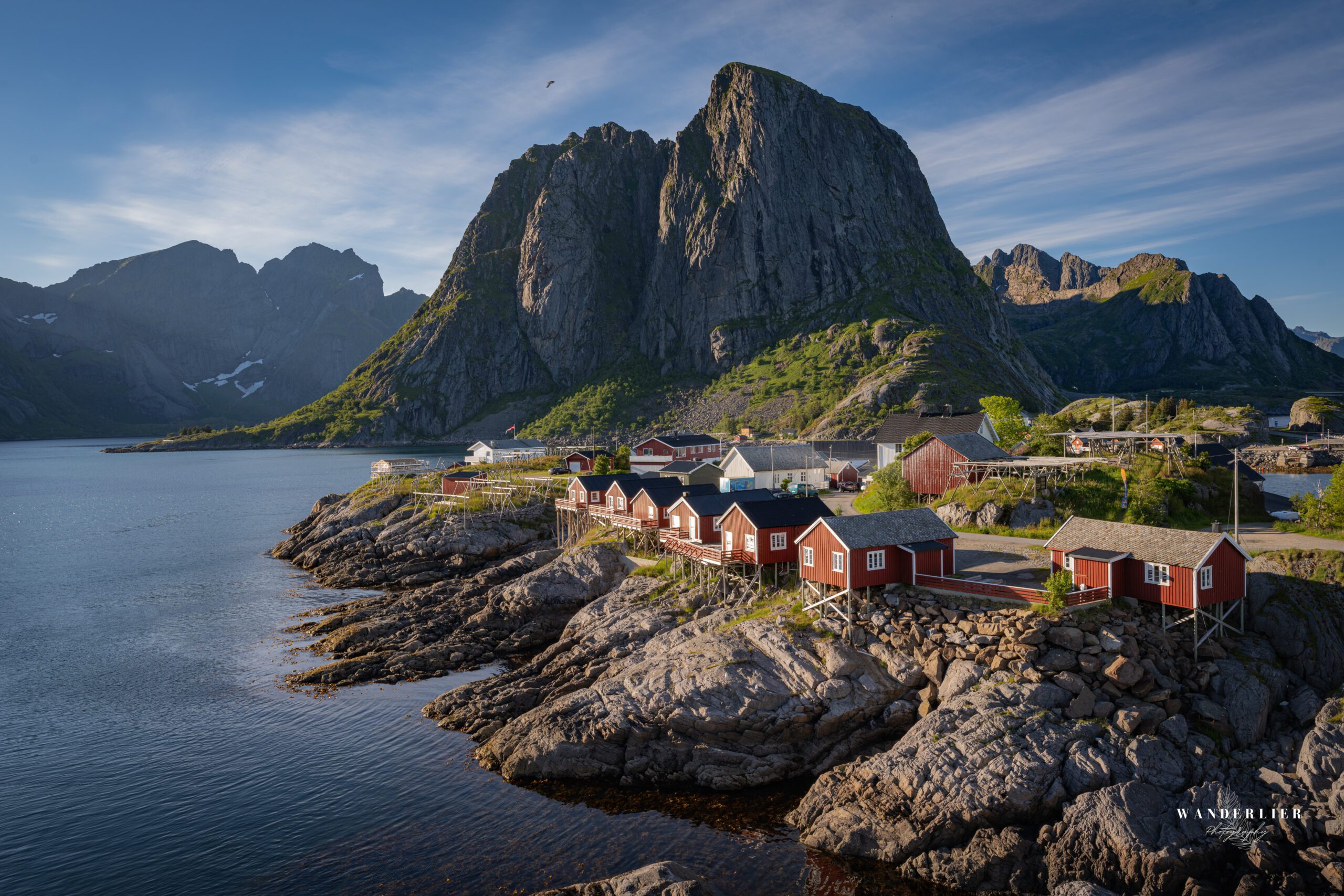
The Lofoten Islands are one of the main highlights of Nordland. Known for their jagged peaks and picturesque villages, the islands are a photographer’s paradise. The traditional rorbuers (fishermen’s cabins) provide a unique way to experience the local culture. These islands also have an important history related to the fishing industry, particularly the cod fishing season that has shaped the region for centuries.
Another key attraction is the Northern Lights, visible during winter months. The skies above Nordland often light up with mesmerizing auroras, making it a prime location for those seeking to witness this natural phenomenon.
Nordland’s climate can be harsh, with cold winters and mild summers. Despite this, the region’s beauty remains constant year-round. In summer, the Midnight Sun allows for endless daylight hours, offering a unique opportunity to explore the landscapes during the night.
Lofoten
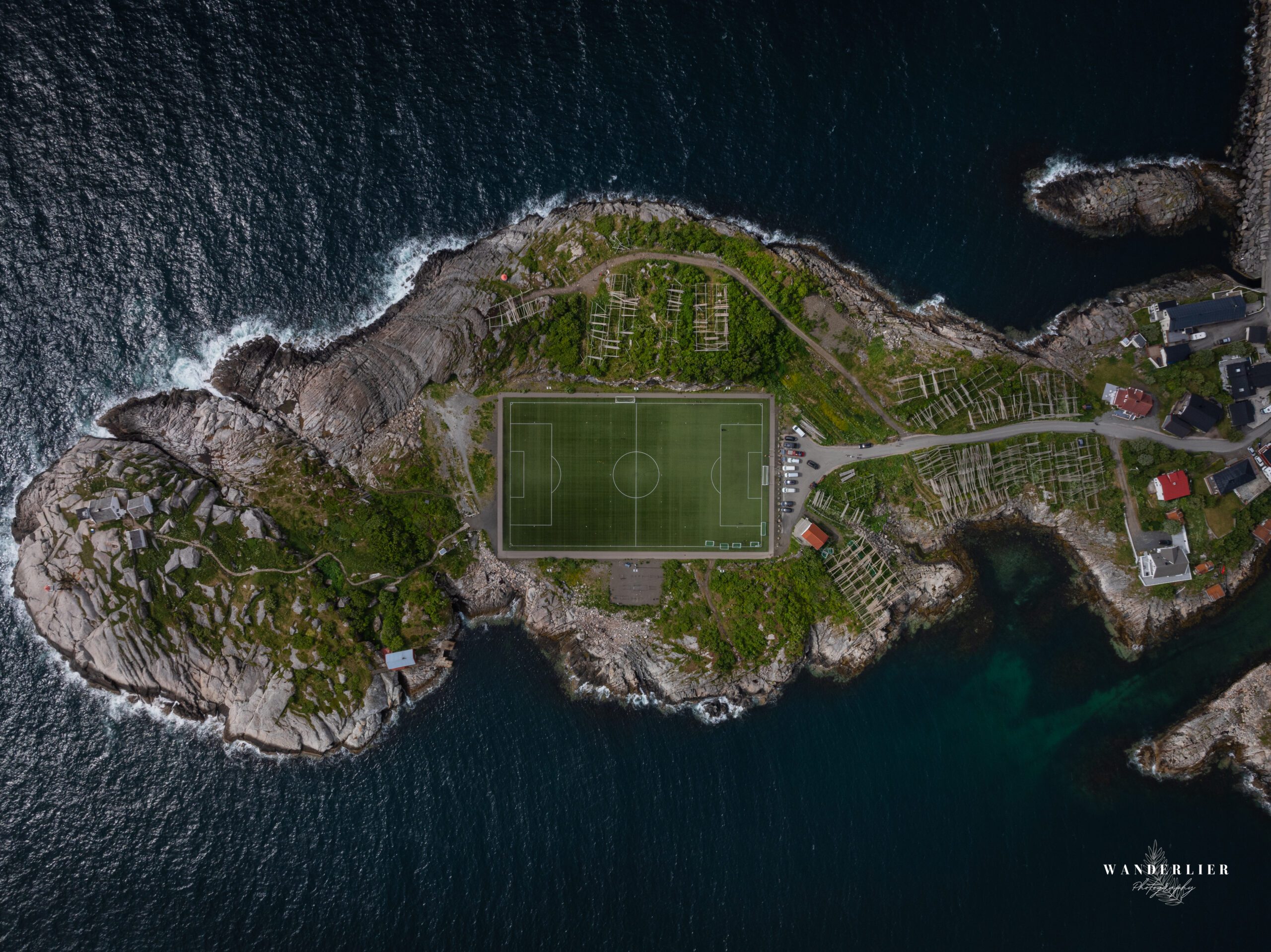
The Lofoten Islands are a stunning archipelago located in northern Norway. Known for their dramatic landscapes, the islands are a haven for nature lovers. The towering mountains rise sharply from the sea, creating a breathtaking backdrop to the picturesque fishing villages below. Lofoten is famous for its deep fjords, pristine beaches, and vibrant coastal scenery.
One of the most striking features of Lofoten is the rugged terrain. The islands are characterized by jagged peaks, sweeping valleys, and crystal-clear waters. The contrast between the mountains and the sea creates an unforgettable landscape. This makes the area a prime destination for photographers, hikers, and adventurers alike.
The Lofoten Islands are also known for their rich cultural heritage. Fishing has been the backbone of the local economy for centuries. Traditional rorbuers, or fishermen’s cabins, dot the coastline, offering visitors a chance to stay in historic accommodations. The islands’ fishing villages, like Reine and Å, are full of charm and have retained their old-world appeal.
In addition to the natural beauty, Lofoten offers numerous outdoor activities. Hiking is particularly popular, with trails that lead to panoramic views over the fjords and islands. The famous Ryten hike and Reinebringen hike offer stunning vistas of the surrounding landscapes. Kayaking, fishing, and birdwatching are also common pastimes. During the winter months, the region becomes a prime spot for watching the Northern Lights, which dance across the sky in a magical display.
The Lofoten Islands are also home to a rich wildlife population. Sea eagles, puffins, and other seabirds nest on the cliffs. In the waters below, whales, seals, and otters can be spotted. Lofoten’s unique ecosystem is one of the reasons why the region is so special.
If you want to know more specifically about the Lofoten, click the button below.
The Arctic circle center
The Arctic Circle Center, located in Norway, is a popular destination for travelers seeking a unique Arctic experience. Situated on the island of Kongsøya in the municipality of Karlsøy, the center offers a fascinating insight into the natural wonders of the Arctic region. Visitors can cross the Arctic Circle line and experience the extraordinary phenomena that occur in this far northern part of the world.
At the Arctic Circle Center, guests can stand directly on the line that marks the official boundary between the Arctic and the temperate zones. This iconic geographical location provides an opportunity to learn about the extreme weather conditions, the midnight sun, and the northern lights that define life above the Arctic Circle. The center’s educational exhibits provide information about the wildlife, the indigenous Sami culture, and the unique natural landscape of the area.
In addition to its educational exhibits, the Arctic Circle Center offers breathtaking views of the surrounding Arctic landscape. Visitors can enjoy panoramic views of the rugged mountains, fjords, and expansive seas that make this region so picturesque. The area is a haven for outdoor enthusiasts, with opportunities for hiking, kayaking, and wildlife spotting.
One of the most exciting aspects of visiting the Arctic Circle Center is the chance to experience the midnight sun during the summer months. From late May to late July, the sun does not set, providing a surreal and magical experience. In contrast, during the winter months, visitors can enjoy the northern lights, a stunning natural light display that illuminates the Arctic skies.
