
Upper-Austria
Upper Austria, located in the northern part of Austria, is a region steeped in history and surrounded by enchanting landscapes. This province, with Linz as its vibrant capital, offers a variety of experiences for both cultural explorers and nature lovers.
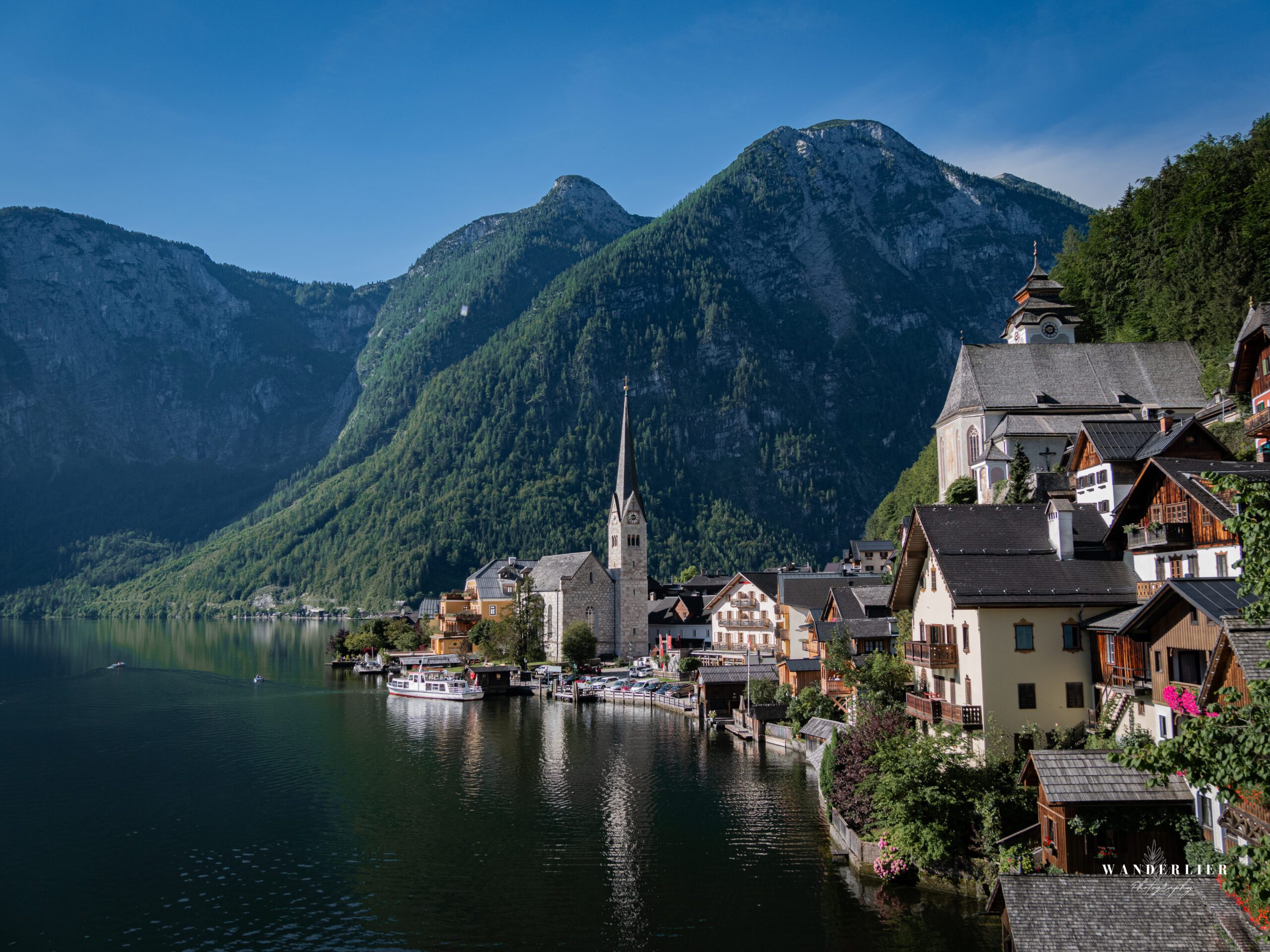
The landscape of Upper Austria is characterized by rolling hills, majestic Alps, and picturesque lakes. The Salzkammergut, a captivating region with crystal-clear lakes such as Wolfgangsee and Hallstätter See, attracts visitors with its charming villages and breathtaking views. Here, travelers can enjoy boat rides, walks along scenic paths, and the charm of historic towns like Hallstatt.
Culture enthusiasts will find a wealth of historical landmarks in Upper Austria. Linz, the third-largest city in Austria, boasts a rich heritage, ranging from medieval architecture to modern art installations. The Lentos Art Museum and the Ars Electronica Center illustrate the blend of tradition and innovation that defines the city.
The Stift Wilhering, a beautiful Baroque monastery, and Gmunden Castle stand as testaments to the region’s rich history. The city of Steyr, with its well-preserved old town, offers a journey back in time with picturesque cobblestone streets and historic buildings.
Upper Austria delights food lovers with its culinary diversity. Local specialties, such as Linzer Torte and Viennese Apfelstrudel, originated here. Visitors can enjoy traditional Austrian dishes in cozy restaurants, often accompanied by local beers and wines.
Whether you prefer exploring historical treasures, admiring the natural beauty, or tasting culinary delights, Upper Austria welcomes you with open arms and offers an unforgettable travel experience in the heart of Austria.