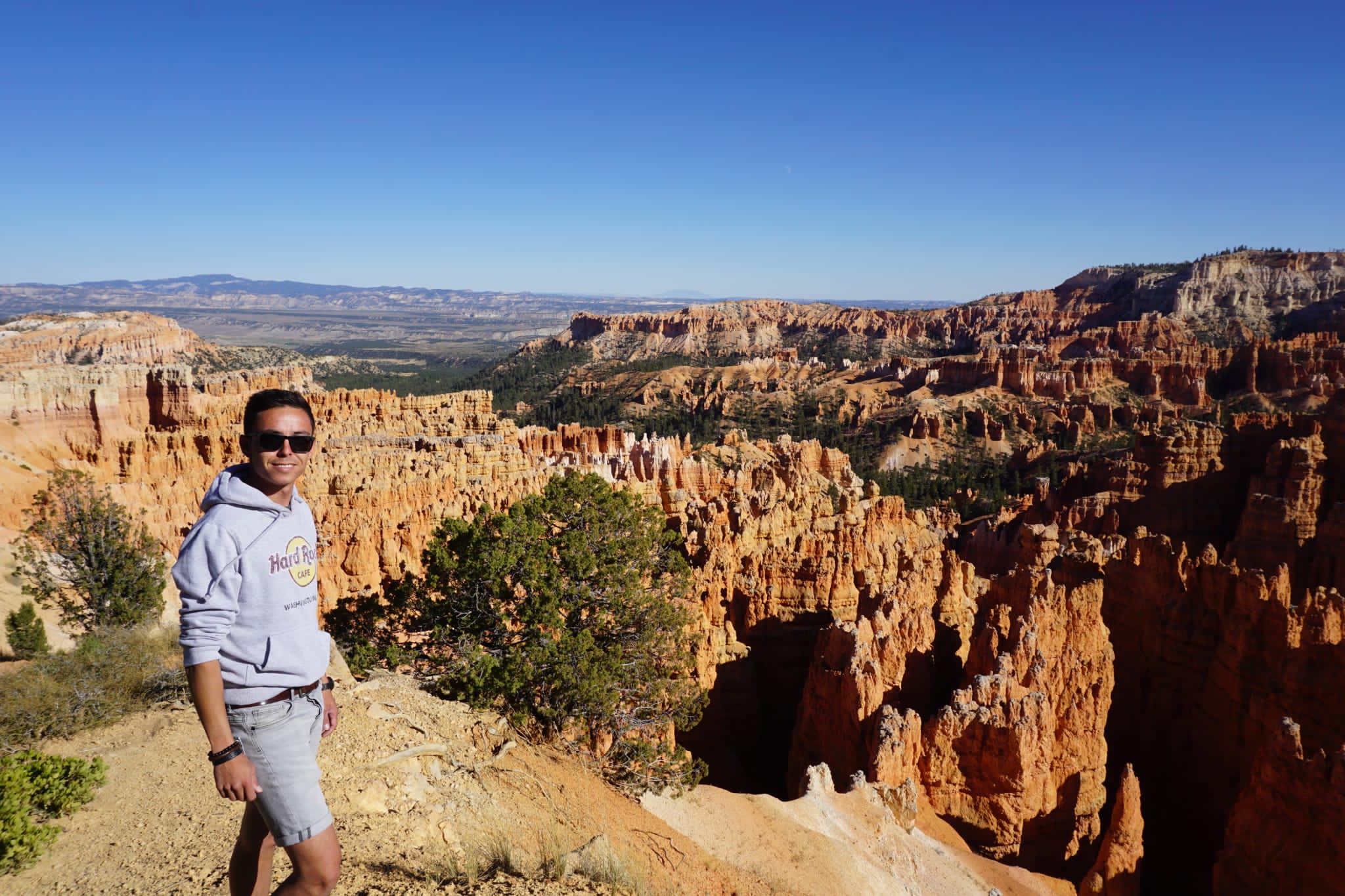

Bryce Canyon National Park

Bryce Canyon National Park, located in the southwestern United States, is a breathtaking natural wonder known for its unique geological formations and colorful amphitheaters of whimsical, spire-like rock formations called hoodoos. This gem of the rugged landscape is situated in Utah and attracts millions of visitors from around the world each year.

The park covers an extensive area of about 145 square kilometers and offers an astonishing variety of landscapes, ranging from deep canyons to high plateaus. The most striking feature of Bryce Canyon is the amphitheater, a collection of impressive limestone hoodoos that rise from the canyon floor, creating a surreal spectacle at sunrise and sunset.

What makes Bryce Canyon even more special is the array of colors that adorn the rock formations. From deep reds and oranges to soft pinks and creams, the canyon appears like a living painting that constantly changes throughout the day. Photographers and nature enthusiasts will be amazed by the opportunities to capture this extraordinary landscape.

To fully experience Bryce Canyon, the park offers numerous hiking trails of varying difficulty levels. Hikers can walk along the canyon rim or venture deeper into the amphitheater for a more adventurous experience. A popular route is the Navajo Loop Trail, which takes you through the most dramatic parts of the canyon and brings you face to face with some of the most imposing hoodoos.

In addition to hiking, Bryce Canyon also offers stargazing opportunities, especially due to the low light pollution in this remote area. The thousands of sparkling stars in the night sky create a mesmerizing display, making the park worth visiting even after dark.

Hoodoos and Amfitheaters

The most iconic features of Bryce Canyon are its hoodoos and amphitheaters, which have been formed over millennia through the forces of erosion. These striking rock formations make Bryce Canyon a one-of-a-kind natural wonder and attract visitors from all over the world. Hoodoos are tall, thin spires of rock that rise dramatically from the canyon floor, creating a surreal, otherworldly landscape. They are formed primarily through the processes of freeze-thaw and water erosion. As rainwater seeps into the rock, it gradually wears away the softer layers of limestone and sandstone, leaving behind these unique, slender pillars. Over time, these hoodoos take on fascinating and sometimes bizarre shapes, standing tall as natural sculptures in the desert.

Bryce Canyon’s amphitheaters are vast, bowl-shaped areas surrounded by the towering hoodoos. The largest and most famous of these amphitheaters is the Bryce Amphitheater, which offers panoramic views of thousands of hoodoos clustered together, creating a scene unlike any other on earth. The amphitheater’s dramatic landscape has been shaped by erosion over millions of years, and the resulting view is a spectacular blend of rock formations, cliffs, and valleys. The colors of the hoodoos range from deep reds and oranges to soft pinks and creams, creating a constantly changing and mesmerizing vista as the light shifts throughout the day.

Visitors can admire these extraordinary formations from several breathtaking viewpoints, such as Bryce Point, Inspiration Point, Sunrise Point, Sunset Point, and Fairyland Point. Each of these offers a different perspective on the amphitheater and the hoodoos, allowing visitors to appreciate the vastness and beauty of Bryce Canyon’s unique geology. Whether viewed at sunrise or sunset, the landscape of Bryce Canyon continues to captivate with its vivid colors and surreal rock formations.

Navajo Loop Trail

The Navajo Loop Trail is one of the most popular and scenic hiking routes in Bryce Canyon National Park. This 1.3-mile (2.1 km) loop offers hikers a close-up experience of the park’s iconic hoodoos, with breathtaking views and unique geological formations along the way. The trail is considered moderate in difficulty, with a descent into the canyon followed by a challenging but rewarding climb out.

Starting at Sunset Point, the trail takes visitors on a descent into the Bryce Amphitheater, offering a chance to get up close to the towering hoodoos and intricately layered rock formations that make Bryce Canyon famous. The trail takes hikers through the heart of the canyon, allowing them to pass by some of the most impressive rock spires in the park. One of the highlights of the trail is the Wall Street section, a narrow, winding corridor surrounded by towering rock walls. As hikers descend into the canyon, they can appreciate the rich colors of the rocks, which range from deep oranges and reds to soft pinks and whites.

The Navajo Loop Trail then connects to the Queen’s Garden Trail, creating a more extensive hiking loop if desired. The Queen’s Garden is another stunning area of the park, known for its unique rock formations, including a hoodoo resembling a queen’s garden. For those completing the full loop, it’s a rewarding combination of natural beauty and geological wonder.

While the Navajo Loop Trail can be done in about 1-2 hours, it’s important to note that the trail can be strenuous due to the elevation change, so hikers should be prepared for a bit of a climb back out. Regardless of the challenge, the trail provides some of the best and most intimate views of Bryce Canyon’s fascinating landscape, making it a must-do for visitors to the park.

Queens Garden

The Queen’s Garden Trail is one of the most popular and scenic hiking routes in Bryce Canyon National Park. This relatively easy 1.8-mile (2.9 km) round-trip trail offers visitors the opportunity to explore the park’s incredible geological formations, particularly the unique hoodoos that make Bryce Canyon famous. Named after a rock formation that resembles a queen sitting on her throne, the Queen’s Garden Trail is often considered one of the most beautiful and accessible ways to experience the park.

Starting at Sunrise Point, the trail descends into the Bryce Amphitheater, leading hikers through a stunning array of hoodoos, which are tall, thin spires of rock created by the forces of erosion. As you venture down the trail, you’ll find yourself surrounded by colorful rock formations that seem to change with the light, offering spectacular views at every turn. The trail gets its name from a hoodoo formation resembling a queen sitting on a throne, a favorite spot for photographs and a highlight for many visitors.

The Queen’s Garden Trail is relatively easy compared to some of the park’s more strenuous hikes. It descends gradually into the canyon, making it suitable for a wide range of hikers. However, visitors should be prepared for the return trip, as the hike back up to Sunrise Point can be challenging due to the elevation gain.

While the Queen’s Garden Trail can be hiked on its own, many visitors choose to combine it with the Navajo Loop Trail to create a longer, more adventurous loop hike. The combination of these two trails provides a comprehensive experience of the park’s most famous geological features, from narrow slot canyons to expansive amphitheaters.

The Queen’s Garden Trail is especially beautiful at sunrise when the soft morning light illuminates the hoodoos, making it a prime spot for photographers and nature enthusiasts alike. Whether you’re looking for a leisurely hike or an opportunity to explore Bryce Canyon’s unique landscape, the Queen’s Garden Trail offers a memorable and visually stunning adventure.

Natural Bridge

Natural Bridge is one of Bryce Canyon National Park’s most iconic and fascinating natural rock formations. Located along the park’s scenic drive, this arch-like structure is a testament to the powerful forces of erosion and time. Though it’s called a “bridge,” it’s actually a natural arch formed by the gradual wearing away of rock over thousands of years, creating a stunning geological feature that draws visitors from around the world.

The Natural Bridge spans 85 feet (26 meters) wide and stands at a height of 65 feet (20 meters), making it a striking sight as it rises dramatically above the surrounding landscape. The formation is composed of Entrada sandstone, and its reddish hues contrast beautifully against the deep blue sky, especially during sunrise and sunset when the lighting creates a vibrant display of colors on the rock surface.

Erosion played a key role in shaping this natural bridge. Over millions of years, wind and water slowly eroded the softer rock layers beneath the harder, more resistant sandstone, creating the arch we see today. Natural Bridge is a perfect example of the natural forces at work in Bryce Canyon, where water, ice, and wind constantly shape and reshape the landscape.

Visitors can easily view the Natural Bridge from the designated viewpoint along the park’s road. A short, paved path leads to the overlook, where they can take in panoramic views of the bridge and its surrounding scenery. The viewpoint provides excellent photo opportunities, especially during the early morning or late afternoon when the arch is illuminated by the soft, golden light.

Natural Bridge is not only a breathtaking sight but also a reminder of the power of natural processes. While it stands as one of the park’s more recognizable features, it is also a symbol of the dynamic, ever-changing environment of Bryce Canyon. Whether you’re a geology enthusiast, a nature lover, or simply someone who appreciates beautiful landscapes, Natural Bridge is a must-see attraction in the park.

Mossy Cave Trail

The Mossy Cave Trail is a popular and relatively easy hiking trail located in Bryce Canyon National Park, offering visitors a chance to explore some of the park’s fascinating natural features without venturing too far from the main road. This 0.8-mile (1.3 km) round-trip trail takes hikers through a scenic landscape and provides a unique look at the diverse ecosystems of the park, making it an excellent choice for families, casual hikers, and those looking for a short but rewarding adventure.

The trail begins at the Mossy Cave parking area and winds its way along the stream that flows through the area. As you walk along the path, you’ll notice the towering cliffs and rock formations of Bryce Canyon in the distance, but the trail is unique in that it provides a different perspective of the park’s terrain. The cave itself, which is the main attraction of the trail, is a small rock overhang with water cascading over its moss-covered surface, especially during the spring and early summer months when water runoff is abundant. The “mossy” appearance of the cave is created by the moisture that clings to the rock, supporting lush greenery and mosses that thrive in the damp environment.

In addition to the cave, the Mossy Cave Trail offers stunning views of the surrounding rock formations and the nearby waterfall. The trail passes by several interesting geologic features, including hoodoos and unique rock spires, and it provides visitors with a quieter, less crowded experience compared to other parts of Bryce Canyon. The relatively gentle incline of the trail makes it suitable for people of all ages and abilities.

While the Mossy Cave itself is the highlight of the trail, the entire walk is filled with beauty, offering a unique and peaceful look at Bryce Canyon’s landscape. It’s a great way to explore the park’s diverse environments, from the damp and lush streamside areas to the dry, rugged canyon walls. Whether you’re a first-time visitor or a seasoned hiker, the Mossy Cave Trail provides an unforgettable experience and a chance to witness the wonders of nature in one of the most scenic areas of Bryce Canyon.

Bryce Point

Bryce Point is one of the most famous and breathtaking viewpoints in Bryce Canyon National Park, offering visitors sweeping, panoramic views of the park’s iconic hoodoos and amphitheaters. Located along the park’s scenic drive, Bryce Point sits at an elevation of 8,300 feet (2,530 meters), making it one of the highest points in the park. Its elevated position provides a stunning, bird’s-eye view of the Bryce Canyon landscape, with vast expanses of red, orange, and pink rock formations stretching out before you.

The highlight of Bryce Point is its view of the Bryce Canyon amphitheater, a massive natural amphitheater carved by erosion, filled with thousands of towering hoodoos—unique, spire-shaped rock formations that have become synonymous with the park. From Bryce Point, visitors can observe the intricate patterns of these formations as they stretch into the distance, illuminated by the soft glow of the sun during sunrise or sunset. The early morning or late evening light casts dramatic shadows across the hoodoos, creating an almost otherworldly scene.

In addition to its striking views, Bryce Point is also known for being one of the best spots in the park to watch the sunrise. The sun rises over the canyon’s rim and lights up the hoodoos in vibrant hues, making it a photographer’s dream. The viewpoint is easily accessible by car, and a short walk from the parking area leads to the observation platform.

For those looking for a more immersive experience, Bryce Point is also the starting point of the challenging but rewarding Bryce Canyon Trail, which descends into the canyon for a closer look at the hoodoos. However, even without hiking, the view from Bryce Point is a must-see for anyone visiting Bryce Canyon National Park, offering one of the most spectacular vistas in the American Southwest.

Rainbow Point

Rainbow Point is one of the most spectacular and remote viewpoints in Bryce Canyon National Park, offering visitors an expansive and panoramic view of the park’s colorful landscape. Situated at the southernmost point of the park’s scenic drive, Rainbow Point stands at an impressive elevation of 8,100 feet (2,469 meters), making it one of the highest points in Bryce Canyon. This vantage point provides breathtaking views of the park’s vast amphitheaters, hoodoos, and distant mountain ranges.

The viewpoint is named for the rainbow of colors that can be seen in the rock formations below, particularly during sunrise and sunset. The unique layers of sedimentary rock in the park range from deep reds and oranges to soft pinks and purples, and as the light shifts throughout the day, these colors seem to change and intensify, creating a beautiful and ever-evolving scene. The view from Rainbow Point encompasses not just the hoodoos of Bryce Canyon, but also the expansive Paunsaugunt Plateau, the Aquarius Plateau, and the distant peaks of the Grand Staircase, making it a perfect spot for taking in the sheer scale and beauty of the region.

Rainbow Point is less crowded than some of the more popular viewpoints in Bryce Canyon, offering a quieter and more tranquil experience. For those looking to explore further, the area around Rainbow Point is home to several hiking trails, including the Bristlecone Loop, which takes visitors through a grove of ancient bristlecone pines, some of the oldest living trees on Earth.

Although Rainbow Point requires a bit of a drive from the main entrance of Bryce Canyon, the effort is well worth it for the stunning, uninterrupted views and the opportunity to see a quieter side of the park. It is an essential stop for anyone wanting to experience the full diversity of Bryce Canyon’s landscape.

Stargazing

Stargazing in Bryce Canyon National Park is a truly magical experience, offering some of the best night sky views in the United States. Due to its remote location, high elevation, and minimal light pollution, Bryce Canyon is designated as a Dark Sky Park by the International Dark-Sky Association. This means that visitors can witness an incredibly clear and unobstructed view of the night sky, making it a popular destination for astronomers, photographers, and stargazing enthusiasts.

The park’s elevation of over 8,000 feet (2,400 meters) provides an ideal vantage point for observing celestial wonders. On a clear night, the sky is filled with thousands of stars, and visitors can easily spot the Milky Way stretching across the sky, along with countless constellations, planets, and other astronomical phenomena. The lack of artificial light in the surrounding areas ensures that the sky remains dark, allowing the stars to shine brightly and providing exceptional visibility of distant galaxies, nebulae, and star clusters.

One of the best times for stargazing in Bryce Canyon is during the new moon phase when the sky is darkest. The park even hosts regular night sky programs, including telescope viewings, presentations, and guided walks led by park rangers, offering visitors the opportunity to learn more about the cosmos and observe planets and other celestial objects through powerful telescopes.

Stargazing in Bryce Canyon is not just about looking at the stars. The surrounding landscape, with its hoodoos and rock formations, adds a unique element to the experience. The combination of the natural beauty of the park and the vast, star-filled sky creates an unforgettable and awe-inspiring atmosphere, making Bryce Canyon one of the top destinations for stargazing in the United States.

Visitor Center

The Bryce Canyon Visitor Center is an essential stop for anyone visiting Bryce Canyon National Park. Located near the park entrance, it serves as the primary hub for information, orientation, and services for visitors exploring the park’s stunning landscapes. The center is designed to help guests make the most of their visit by offering helpful resources and engaging experiences.

One of the first things visitors will notice is the welcoming atmosphere. The Visitor Center features a wide variety of exhibits that provide insights into the park’s unique geology, flora, fauna, and cultural history. These informative displays highlight the formation of the park’s iconic hoodoos and amphitheaters, as well as the diverse ecosystems that thrive in the high desert environment. There are also exhibits about the native peoples who once inhabited the region, including the Paiute, and the park’s role in modern conservation efforts.

The friendly and knowledgeable staff at the Visitor Center can offer advice on the best hiking trails, scenic viewpoints, and seasonal activities. They can also provide maps, brochures, and information about the park’s various ranger-led programs. Whether you’re looking for a challenging hike like the Navajo Loop or a more relaxed activity like stargazing, the Visitor Center is the place to get guidance on how to experience the park in the best way possible.

Additionally, the Bryce Canyon Visitor Center features a gift shop where visitors can purchase park souvenirs, books, and local handicrafts. The center also has restrooms and a small café, making it a comfortable spot to take a break during a day of exploring.

For those looking to deepen their connection with the park, the Visitor Center offers a variety of ranger-led programs throughout the year. These programs include guided hikes, talks, and evening stargazing sessions. The center is open year-round, although its hours may vary depending on the season, so it’s a good idea to check ahead before visiting.

Overall, the Bryce Canyon Visitor Center is a fantastic resource for anyone looking to learn more about this extraordinary national park while making the most of their time in this beautiful, natural wonderland.